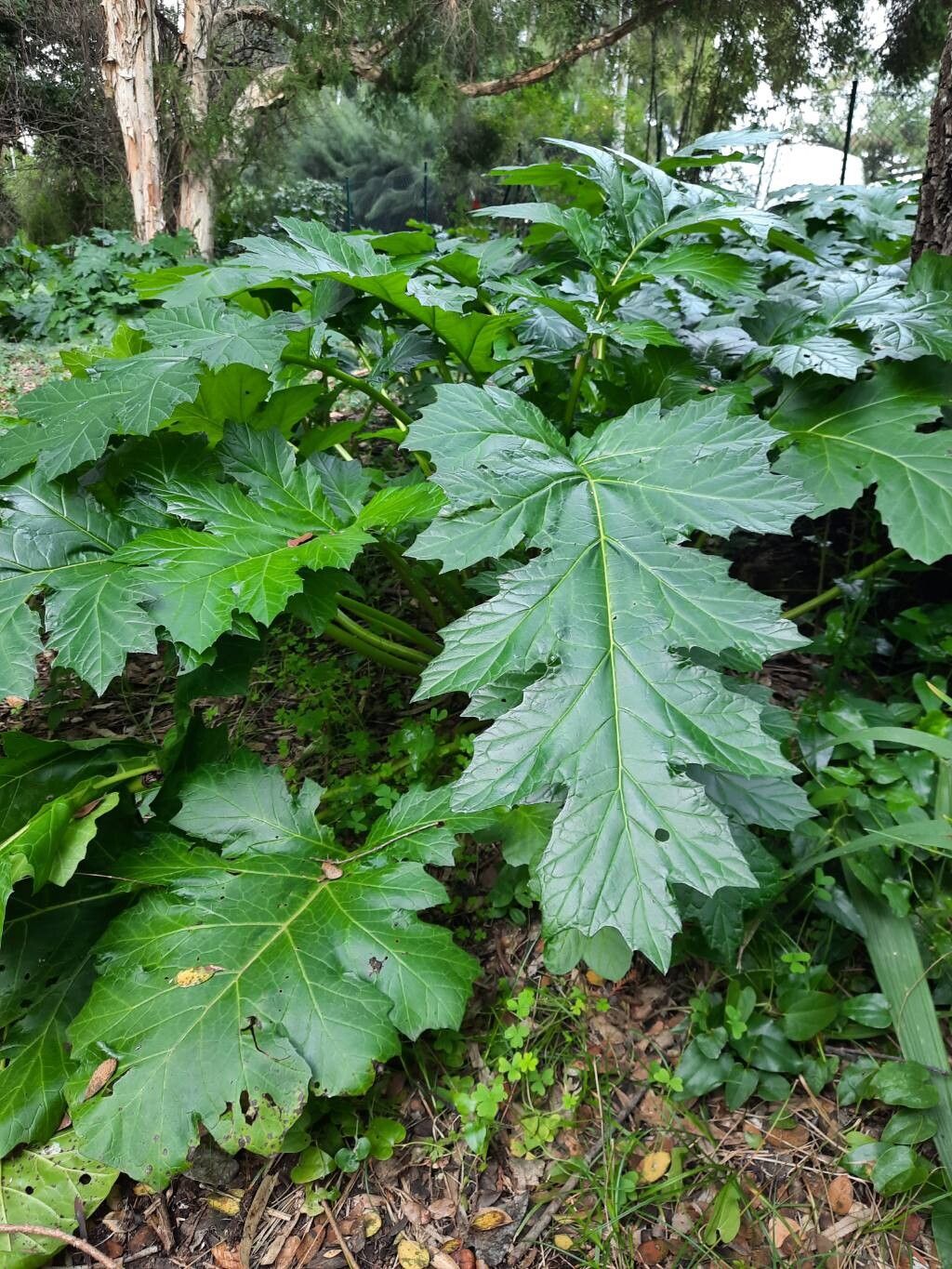
Oh, hello there! It’s so lovely to have you join me. I’m absolutely delighted to talk about propagating Acanthus mollis, the Bear’s Breeches. If you’ve ever seen these magnificent plants gracing a garden, you’ll know why. Their architectural, deeply lobed leaves are simply stunning, and their tall spikes of striking white and purple flower racemes are a true showstopper in early summer.
Propagating them is a wonderfully rewarding endeavor. You get to watch new life emerge from a piece of an existing plant. And the best part? While they might seem a bit imposing in the garden, Acanthus mollis is actually surprisingly straightforward to propagate, making it a fantastic project for both seasoned gardeners and those just starting to dip their toes into the world of plant multiplication.
The Best Time to Start
For the highest success rate with Acanthus mollis, I’ve found that late autumn is absolutely your best bet. Once the plant has finished flowering and the leaves are starting to naturally die back, it’s entering a dormant or semi-dormant phase. This is the perfect time to take cuttings or divide the root system, as the plant is storing energy and less stressed.
Supplies You’ll Need
Gathering your tools beforehand makes the whole process smoother. Here’s what I usually have on hand:
- Sharp Pruning Shears or a Knife: Clean and sharp is key to making clean cuts and preventing disease.
- A Good Quality Potting Mix: I like to use a well-draining mix, often a blend of coco coir, perlite, and a bit of compost. You can also get specific seed-starting mixes.
- Rooting Hormone (Optional but Recommended): This helps speed up root development. I prefer a powdered form.
- Small Pots or Trays: For starting your new propagations.
- Watering Can or Spray Bottle: For gentle watering.
- Labels: To keep track of what’s what!
- A Shovel or Trowel (for division): If you’re going the division route.
Propagation Methods
Acanthus mollis is a champion propagater, and thankfully, it’s quite amenable to a couple of different methods. My two favorites are division and root cuttings.
Division
This is really the most reliable method for Acanthus mollis, especially for larger, established plants.
- Carefully dig around the plant. In late autumn, when the plant is settling down for winter, gently excavate around the root ball with your shovel or trowel. Try to disturb the roots as little as possible.
- Expose the root system. Gently brush away excess soil to reveal the rhizomatous roots. You’re looking for sections that have at least one strong bud or eye, and a healthy portion of root attached.
- Divide the root mass. Use your clean, sharp knife or spade to cut a section away from the main plant. Make sure your division has a good anchor of root and at least one potential growth point.
- Replant or pot up. You can replant the divisions directly back into the garden in their new spots, or pot them up individually. Plant them at the same depth they were growing previously. Water them in well.
Root Cuttings
This is another fantastic way to get more Bear’s Breeches, and it feels a bit like magic when it works!
- Dig and Clean. In late autumn, carefully dig up your Acanthus mollis. Gently wash off the soil so you can clearly see the thick, fleshy roots.
- Select and Cut. Choose healthy, fleshy roots. Using your sharp knife, cut these roots into sections about 3-4 inches long. Make sure each cutting has at least one visible bud or eye. If there are no obvious buds, just ensure you have a decent root section; it will often sprout from the cambium layer.
- Prepare the Cuttings. You can optionally dip the cut ends into rooting hormone.
- Plant the Cuttings. Fill shallow trays or pots with your well-draining potting mix. Lay the root cuttings horizontally on the surface of the soil, or bury them about 1-2 inches deep. If laying them horizontally, gently cover them with a thin layer of soil.
- Water Gently. Lightly water or mist the soil. The goal is to keep the soil consistently moist but not waterlogged.
The “Secret Sauce” (Pro Tips)
Here are a few little tricks I’ve learned over the years that really help boost your success rate:
- Think “Left” and “Right” for Root Cuttings. When you’re preparing your root cuttings, always try to remember which end was the “crown end” (closest to the original plant) and which was the “root tip end.” Plant the crown end slightly higher or facing upwards. If you can’t tell, don’t fret too much, but it can sometimes make a difference.
- Bottom Heat is Your Friend. For root cuttings, placing your pots on a heat mat or in a propagator with a gentle heat source can significantly speed up root and shoot development. Acanthus mollis loves a bit of warmth to get going.
- Patience is a Virtue. Acanthus mollis can be a bit of a slowpoke initially. Don’t be discouraged if you don’t see much activity for a few weeks, or even a couple of months. They’re busy working underground.
Aftercare & Troubleshooting
Once your new divisions or root cuttings start showing signs of growth – be it tiny leaves unfurling or emerging shoots – it’s time for a little extra care.
Continue to keep the soil consistently moist, but this is where you’ll want to be extra careful. Soggy soil is the enemy of young, tender roots. If you see any signs of rot – a mushy, discolored stem or root – that’s a clear indicator of too much moisture. If this happens, you might need to gently remove the affected part and allow the soil to dry out a bit more.
When your new Acanthus mollis has a decent root system and several sets of healthy leaves, you can gradually acclimatize them to more direct sunlight and then transplant them into their permanent garden spots, or larger individual pots, as they continue to grow.
A Little Encouragement
Watching a new plant emerge from a tiny piece of its parent is one of the most satisfying experiences in gardening. Be patient with your Acanthus mollis propagations. They’re robust plants, and with a little care and attention, you’ll soon be rewarded with your very own magnificent Bear’s Breeches. Happy gardening!
Resource:
https://identify.plantnet.org/k-world-flora/species/Acanthus%20mollis%20L./data