Hello there, fellow garden enthusiasts! Today, I want to talk about a flower that’s brought so much sunshine and cheerful color to my garden beds for years: Carthamus hispanicus, commonly known as Safflower. If you’re looking for a plant that’s a champion of pollinators, brings a lovely rustic charm, and offers beautiful blooms for cutting, this is it. And the best part? You can easily grow more of these beauties yourself!
Propagating Carthamus hispanicus is surprisingly straightforward, even for those of you just dipping your toes into the world of plant reproduction. I’ve had wonderful success with it, and I think you will too. It’s incredibly rewarding to see a tiny cutting or seed transform into a thriving plant.
The Best Time to Start
For Carthamus hispanicus, I always find the spring is the prime time to get things going. You can start seeds indoors a few weeks before your last frost date, or sow them directly into the garden once the danger of frost has passed and the soil has warmed up. If you’re looking to take cuttings (more on that later!), aim for late spring or early summer, when the plant is actively growing but before it gets incredibly hot.
Supplies You’ll Need
Here’s what I usually keep handy when I’m propagating:
- Seed-starting mix: A light, well-draining mix is essential.
- Seed trays or small pots: Clean ones are key to preventing disease.
- Labels and a marker: Trust me, you’ll thank yourself later for labeling!
- Watering can or spray bottle: For gentle watering.
- Rooting hormone (optional, but helpful): Especially for stem cuttings.
- Clean pruning shears or a sharp knife: For taking cuttings.
- Plastic bags or a propagation dome: To create a humid environment.
- Small stakes or gravel: For propping up cuttings.
- A sunny windowsill or a warm propagation mat: To provide warmth and light.
Propagation Methods
Carthamus hispanicus is most reliably propagated from seed. While stem cuttings can work, I’ve found them to be a bit more finicky compared to starting from scratch with seeds, which is where I’d recommend beginners focus their efforts.
From Seed:
- Prepare your containers: Fill your seed trays or small pots with your seed-starting mix. Moisten the mix gently until it’s damp but not soggy.
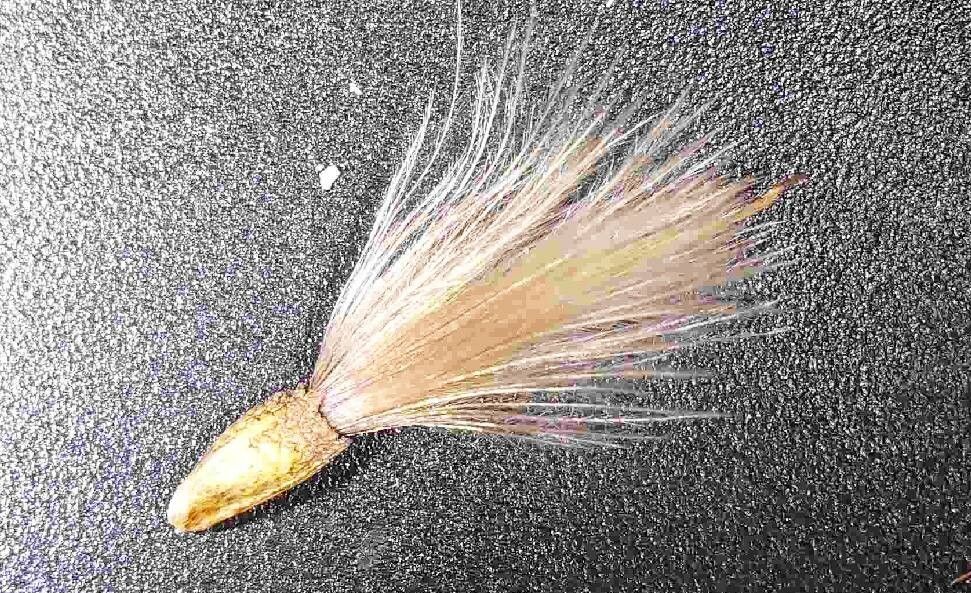
- sow the seeds: Carthamus hispanicus seeds are usually a good size, so you can easily handle them. Place one or two seeds per cell or pot, about ¼ to ½ inch deep.
- Water gently: Give the surface a light misting or watering.
- Provide warmth and light: Pop them onto a sunny windowsill or a heated propagation mat. Keep the soil consistently moist.
- Be patient: Germination typically takes 7-21 days.
- Thin if necessary: Once seedlings have a couple of true leaves, thin them to the strongest one per pot to give it space to grow.
- Harden off: Before planting them outdoors, gradually acclimate your seedlings to outdoor conditions for about a week.
The “Secret Sauce” (Pro Tips)
Over the years, I’ve picked up a few tricks that seem to give my safflower seedlings a leg up:
- Soaking the seeds: Before sowing, I like to soak Carthamus hispanicus seeds in warm water for about 12-24 hours. This can help to soften their tough seed coat and encourage faster germination.
- Don’t overwater indoors: Safflower seeds and seedlings can be prone to damping off (a fungal disease that causes them to rot at the soil line) if the soil stays too wet. Make sure the pots have good drainage and allow the top layer of soil to dry out slightly between waterings.
- Give them space to breathe: If you’re starting a lot of seeds, ensure good air circulation around your seedlings. This can be as simple as using a small fan on a low setting for a few hours a day, especially in humid environments.
Aftercare & Troubleshooting
Once your seedlings have developed a good root system and are ready to be transplanted, move them to their final sunny spot in the garden. Water them in well, and keep them consistently moist until they’re established.
If you’re attempting stem cuttings and notice your cuttings are looking limp or yellowing, it’s often a sign of too much moisture or not enough humidity. If you see fuzzy mold or blackening at the base of your cuttings, that’s likely rot, and unfortunately, those cuttings are probably lost. Discard them and try again, ensuring better drainage and air circulation.
A Encouraging Closing
Propagating plants is such a rewarding journey, and Carthamus hispanicus is a fantastic subject to practice on. Be patient with your little seedlings, give them a good start, and before you know it, you’ll have a patch of glorious, sun-loving safflowers to enjoy. Happy gardening!
Resource: