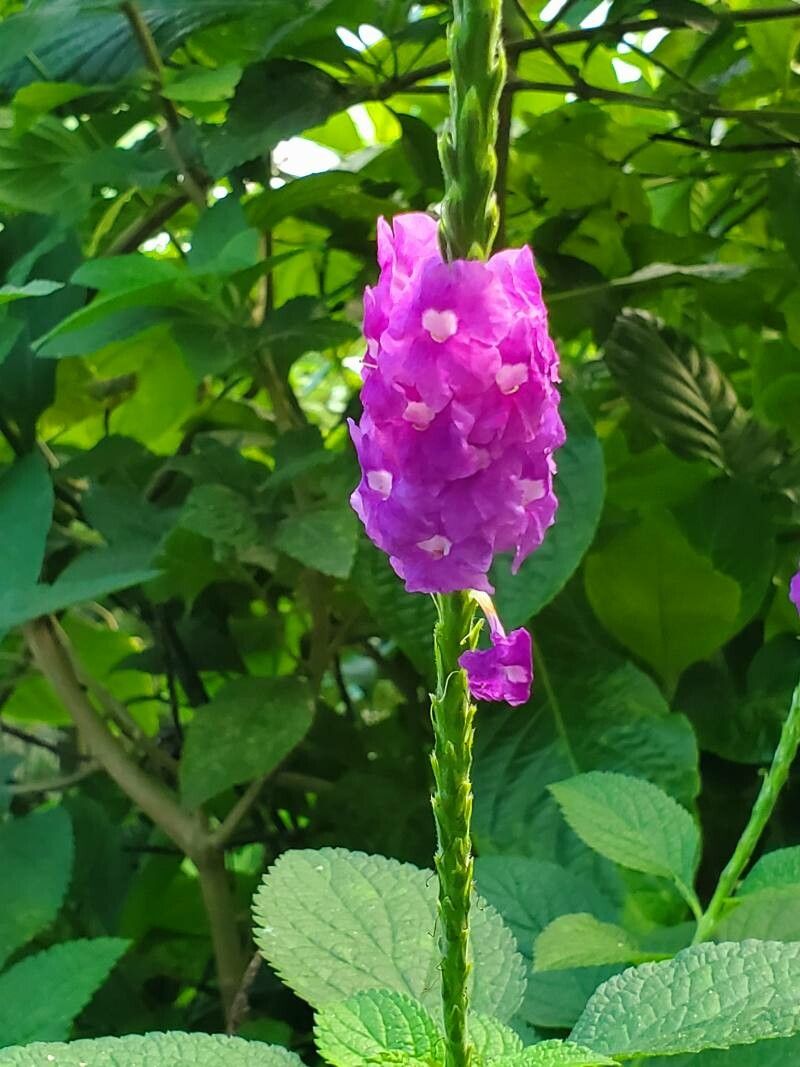
Hey there, fellow garden enthusiasts! Have you ever admired those vibrant blooms of Stachytarpheta frantzii, also known as the Frantz’s Porterweed? I know I have! Those beautiful spikes of color just pop, bringing such cheerful energy to any garden. And the best part? You can easily create more of these beauties yourself.
Propagating Stachytarpheta frantzii is a truly rewarding experience. Watching a tiny cutting transform into a thriving new plant is one of gardening’s simple joys. For beginners, I’m happy to say this plant is quite forgiving, making it a wonderful choice for those just dipping their toes into the world of propagation.
The Best Time to Start
When it comes to Stachytarpheta, spring and early summer are your golden ticket. This is when the plant is actively growing, which means it’s more likely to have the energy to put into rooting. Look for healthy, non-woody stems that are still quite flexible. Avoid material that’s already flowered heavily or looks stressed.
Supplies You’ll Need
Before we get our hands dirty, let’s gather our tools. Having everything ready makes the process much smoother.
- Sharp Pruning Shears or Scissors: Clean tools are essential to prevent disease.
- Rooting Hormone (Optional but Recommended): This can give your cuttings a helpful boost.
- Well-Draining Potting Mix: A good blend for cuttings is usually equal parts peat moss or coco coir and perlite or coarse sand.
- Small Pots or Trays: Clean pots are a must! Small ones are perfect for cuttings.
- Plastic Bags or a Propagator: This helps create a humid environment for your cuttings.
- Watering Can or Spray Bottle: For gentle watering.
Propagation Methods
I find stem cuttings to be the most reliable and straightforward method for Stachytarpheta frantzii. Here’s how I do it:
- Take Your Cuttings: Choose a healthy stem about 4-6 inches long. Using your clean shears, make a clean cut just below a leaf node. A leaf node is where a leaf joins the stem; this is where roots are most likely to form.
- Prepare the Cuttings: Gently remove the lower leaves from the stem, leaving just the top two or three leaves. This prevents them from rotting in the soil. If the remaining leaves are very large, you can cut them in half horizontally to reduce water loss.
- Apply Rooting Hormone (If Using): Dip the cut end of the stem into your rooting hormone powder or gel, ensuring it’s coated. Tap off any excess.
- Plant the Cuttings: Fill your small pots with your well-draining potting mix. Make a small hole in the center of the soil with your finger or a pencil. Insert the cut end of the Stachytarpheta cutting into the hole. Gently firm the soil around the stem to ensure good contact.
- Water Gently: Water the soil thoroughly but gently. You want it moist, not waterlogged.
The “Secret Sauce” (Pro Tips)
Now, for a couple of my go-to tricks that often make all the difference:
- Humidity is King! After planting your cuttings, I like to cover the pots with a clear plastic bag or place them in a propagator. This creates a mini greenhouse, keeping the humidity high and preventing the leaves from drying out. Make sure no leaves are touching the inside of the bag – they can rot! I usually prop the bag up with a couple of stakes.
- A Little Warmth Goes a Long Way. If you can, place your pots on a heat mat or in a warm spot in your home. Stachytarpheta roots are eager to form when they have a bit of bottom heat. It really speeds things up and increases your success rate. Just make sure it’s not too hot, you don’t want to cook your little babies!
Aftercare & Troubleshooting
Once your cuttings are planted and nestled, keep the soil consistently moist but not soggy. Check the soil moisture every day or two. If the surface feels dry, give them a gentle watering or mist. Keep them in bright, indirect light. Think of it like a sunny windowsill but not direct, harsh sun.
You’ll know your cuttings have rooted when you see new leaf growth or feel a slight resistance when you gently tug on the stem. This usually takes anywhere from 3 to 6 weeks.
The most common issue you might encounter is rot. If you see your cuttings turning mushy and black, it’s usually a sign of too much moisture and not enough air circulation. Don’t be discouraged! Sometimes, trying with new cuttings is the best approach. Always ensure your mix drains well and avoid overwatering.
A Warm Encouragement
And there you have it! Propagating Stachytarpheta frantzii is a straightforward process that offers a wonderful chance to multiply your garden’s beauty. Be patient, enjoy the journey, and don’t be afraid to experiment. Before you know it, you’ll have a collection of these lovely plants, ready to share or to fill your own garden with even more color. Happy gardening!
Resource:
https://identify.plantnet.org/k-world-flora/species/Stachytarpheta%20frantzii%20Pol./data