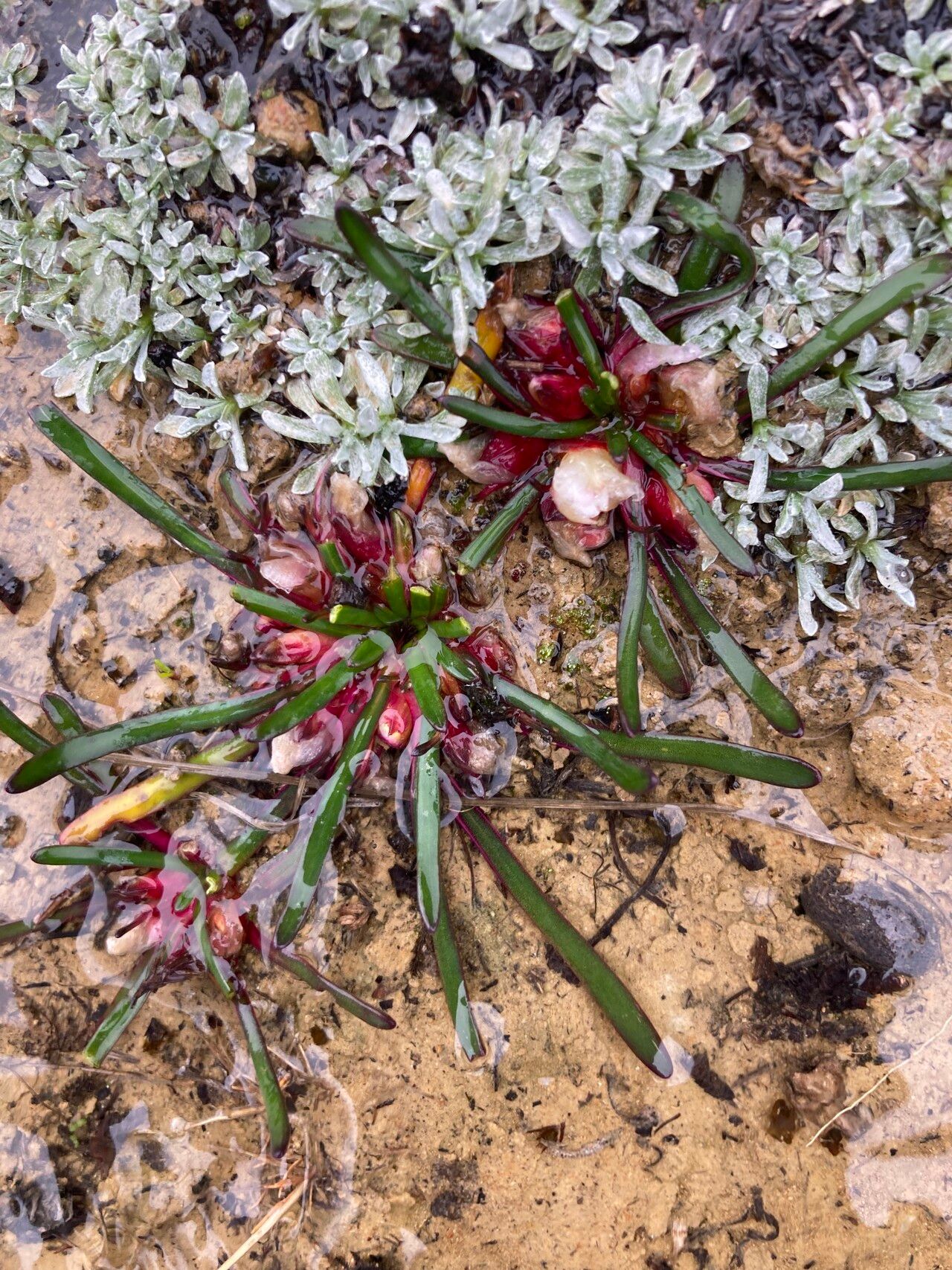
Hello, fellow garden enthusiasts! Today, I want to chat about a little gem that brings so much joy to my garden: Calandrinia acaulis. Also known as the rock purslane or Chilean purslane, this plant is an absolute delight. Its fleshy, succulent leaves form neat rosettes, and in the warmer months, it explodes with vibrant, often magenta or pink, daisy-like flowers. It’s a fantastic choice for rock gardens, container plantings, or even spilling over the edge of a raised bed.
And the best part? Propagating Calandrinia acaulis is surprisingly straightforward! It’s a process that truly rewards your effort, allowing you to fill your garden or share these beauties with friends. I’d say it’s a wonderfully accessible project for beginners, offering a high chance of success even if you’re new to plant propagation.
The Best Time to Start
For the absolute best results, I find that late spring to early summer is the sweet spot for propagating Calandrinia acaulis. This is when the plant is actively growing after the cooler months. You want to take cuttings from healthy, mature stems or divisions from established plants. Starting during this vibrant growth period gives your new propagations the best chance to establish themselves before the intensity of summer heat or the dormancy of autumn.
Supplies You’ll Need
Before we get our hands dirty, let’s gather our tools. You won’t need much, but having the right supplies makes all the difference:
- Sharp pruning shears or a clean knife: For taking clean cuttings.
- Well-draining potting mix: I like a blend of about 50% potting soil and 50% perlite or coarse sand. Cactus and succulent mixes work perfectly too!
- Small pots or trays: With drainage holes, of course!
- Rooting hormone (optional but helpful): For an extra boost. Look for one formulated for cuttings.
- Watering can or spray bottle: For gentle watering.
- Gloves (optional): If you prefer to keep your hands clean.
Propagation Methods
Calandrinia acaulis is quite forgiving, and the most successful methods for me have been stem cuttings and division.
Stem Cuttings: A Speedy Success
This is my go-to method, and it’s remarkably easy.
- Choose your cutting: Look for healthy stems that are at least 3-4 inches long. I usually select stems that have some new growth but aren’t overly woody.
- Make the cut: Using your sharp shears or knife, make a clean cut just below a leaf node (where a leaf joins the stem). This is where roots are most likely to form.
- Prepare the cutting: Gently remove the lower leaves from the bottom inch or two of the stem. This prevents them from rotting once planted. If you’re using rooting hormone, dip the cut end into the powder or gel now.
- Plant your cutting: Fill your small pots with your well-draining mix. Make a small hole in the center with your finger or a pencil.
- Insert and water: Place the cut end of the stem into the hole and gently firm the soil around it. Water lightly, just enough to moisten the soil. Avoid waterlogging.
- Placement: Place the pots in a bright location with indirect sunlight. Direct sun can scorch delicate cuttings.
Division: For Established Beauties
If you have a larger, established clump of Calandrinia acaulis, division is a fantastic way to increase your plant count.
- Gently remove the plant: Carefully dig up the entire plant from its pot or garden bed.
- Loosen the root ball: Gently shake off excess soil to expose the roots.
- Separate the divisions: Look for natural breaks in the root system. You can often gently pull the plant apart with your hands. If it’s stubborn, use your clean knife to carefully slice through the roots, ensuring each division has plenty of roots and some foliage.
- Plant the divisions: Pot each division into its own container with the well-draining potting mix, or replant them directly into the garden.
- Water and settle: Water each division gently to help the soil settle around the roots.
The “Secret Sauce” (Pro Tips)
Here are a couple of things I’ve learned over the years that help boost the success rate:
- Air circulation is key! When propagating by cuttings, don’t cram too many into one pot. Give them a bit of space so air can circulate freely around the stems. This significantly reduces the risk of fungal diseases and rot, which are the most common culprits for failed cuttings.
- Bottom heat really speeds things up. If you have a propagation mat or can place your pots on top of a gently warmed appliance (like a router that’s always on), this will encourage root formation much faster, especially if your ambient temperature is a bit cooler. It’s like a warm hug for your cuttings!
Aftercare & Troubleshooting
Once your cuttings or divisions have been planted, here’s what to do next.
- Watering: Keep the soil consistently moist but not soggy. The easiest way for me is to check the surface of the soil. If it feels dry to the touch, give it a gentle watering. Avoid letting them dry out completely, but also never let them sit in water.
- Rooting Time: Be patient! It can take anywhere from 2 to 6 weeks for noticeable root development. You can tell roots are forming when you see new leaf growth or feel a slight resistance when you gently tug on the stem.
- Troubleshooting: Rot is the enemy. The most common sign of trouble is if the cuttings turn mushy and discolored, usually at the base. This is rot, and it’s usually caused by overwatering or poor drainage. If you see this, unfortunately, that cutting is likely lost. However, the best solution is prevention: ensure excellent drainage and don’t overwater. If you’re propagating indoors in a cooler climate, a little extra perlite in your mix can be a lifesaver.
A Little Patience Goes a Long Way
Propagating Calandrinia acaulis is a truly rewarding experience. It’s a chance to witness new life emerge from a simple cutting or a divided clump. Don’t get discouraged if a few don’t make it – that’s part of the learning process for all of us gardeners! Enjoy the journey, celebrate your successes, and soon you’ll have a flourishing display of these lovely plants. Happy propagating!
Resource:
https://identify.plantnet.org/k-world-flora/species/Calandrinia%20acaulis%20Kunth/data