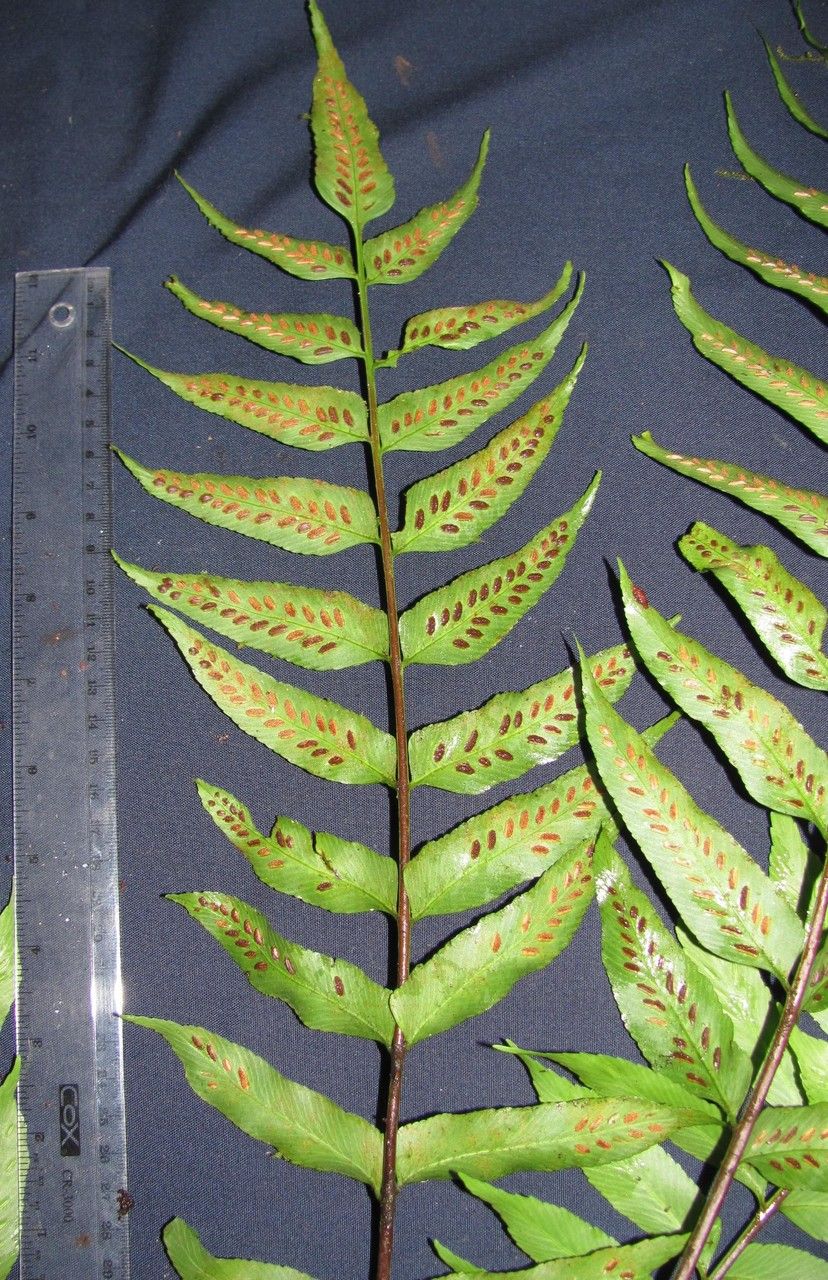
Oh, hello there, fellow plant enthusiast! Pull up a chair, let’s chat about a truly special fern: Asplenium feei. If you’ve ever admired its delicate, almost lace-like fronds, you know its charm. It brings a touch of the rainforest right into our homes, a whisper of wild beauty that’s simply captivating. And the best part? You can bring more of that magic into your life by propagating it yourself!
Now, will Asplenium feei be your absolute easiest propagation project right out of the gate? It’s a little on the trickier side, I’ll be honest. It’s not impossible for beginners, not at all! But it does require a bit more patience and attention to detail than, say, a pothos. But don’t let that discourage you! The reward of nurturing a brand new plant from a piece of its parent is truly immense, a little miracle unfolding before your eyes.
The When and Where: The Best Time to Start
For Asplenium feei, the sweet spot for propagation is really during its active growing season. Think late spring through early summer. This is when the plant is robust, energized by longer days and warmer temperatures, and has the vitality to bounce back and push out new growth. Trying to propagate when it’s a bit sluggish, say in the depths of winter, will make your efforts a lot harder.
Your Propagation Toolkit
Here’s what you’ll want to have on hand before you get started. It’s not a long list, but having everything ready makes the process so much smoother.
- Clean, sharp pruning shears or a sharp knife: For making clean cuts.
- A well-draining potting mix: I like a blend of peat moss or coco coir, perlite, and a bit of orchid bark. It needs to dry out between waterings but still retain some moisture.
- Small pots or propagation trays: Clean ones, please!
- A mister bottle: Essential for keeping humidity levels up.
- Optional: Rooting hormone powder: While not always necessary for Asplenium feei, it can give an extra boost.
- Clear plastic bags or a propagation dome: To create a mini-greenhouse effect.
Gently Encouraging New Life: Propagation Methods
Asplenium feei is best propagated through division. It’s a fantastic way to get a head start because you’re essentially taking a smaller clump that already has roots attached.
Step-by-Step Division:
- Prepare Your Tools: Make sure your pruning shears or knife are spotless.
- Gently Remove the Parent Plant: Carefully take your Asplenium feei out of its pot. If it’s a bit root-bound, that’s okay. You might need to loosen the soil gently around the edges.
- Locate Division Points: Look for natural breaks in the root ball and where distinct crowns (the base where leaves emerge) are forming. You’re looking for a piece that has its own set of roots and a few healthy fronds.
- Make Your Cut: Using your clean shears or knife, carefully slice through the root ball to separate a division. Try to leave as many healthy roots as possible on the new piece.
- Pot Up Your New Plant: Fill a small pot with your well-draining potting mix. Make a little well in the center and place the division in it, nestling the roots gently. Backfill with soil, firming it gently around the base.
- Initial Watering: Water the newly potted division thoroughly until water drains from the bottom.
- Create a Humid Environment: Place the pot inside a clear plastic bag or under a propagation dome. This is crucial for keeping humidity high while the plant establishes itself. Make sure the bag or dome doesn’t press directly onto the fronds.
The “Secret Sauce” (Pro Tips)
Here are a few things I’ve learned over the years that can really make a difference with these delicate ferns:
- Don’t let the fronds touch the soil or water inside the bag. This is a surefire way to invite fungal issues. If they’re getting a bit too cozy, you might need to prop them up with a small stick or gently trim away any that are in direct contact.
- Bottom heat can be a game-changer, especially if your home is a bit cooler. A seed-starting mat set on a low setting can provide that gentle warmth that encourages root development. Just make sure the pot isn’t sitting directly in water; the heat should be radiating through the pot.
- Be patient with the watering. Once the division is potted, you don’t want it sitting in soggy soil. Allow the top inch of the potting mix to dry slightly before watering again. This mimics the natural conditions where these ferns often grow.
Aftercare & Troubleshooting
Once you see signs of new growth – little fronds unfurling or the plant looking perkier with no signs of wilting – you’re on the right track!
- Gradual Acclimation: Slowly start to introduce your new plant to less humid conditions. This means opening the plastic bag or vents on your dome for a few hours each day, gradually increasing the time over a week or two, until you can remove the cover entirely.
- Keep it Moist, Not Soggy: Continue to water when the top inch of soil feels dry. Overwatering is the most common culprit for failure.
- Watch for Rot: The biggest enemy is root rot. If you see fronds turning mushy and brown, especially at the base, it’s a bad sign. This usually means the soil is too wet for too long. Sadly, if rot has set in deeply, it’s often difficult to save the plant.
Keep Growing!
See? It’s all about observation, a little bit of care, and a whole lot of patience. Don’t be discouraged if your first attempt isn’t perfect. Every plant is a learning experience, and each success, big or small, is a victory worth celebrating. Enjoy the journey of bringing more Asplenium feei into your green haven! You’ve got this.
Resource:
https://identify.plantnet.org/k-world-flora/species/Asplenium%20feei%20Kunze%20ex%20Fée/data