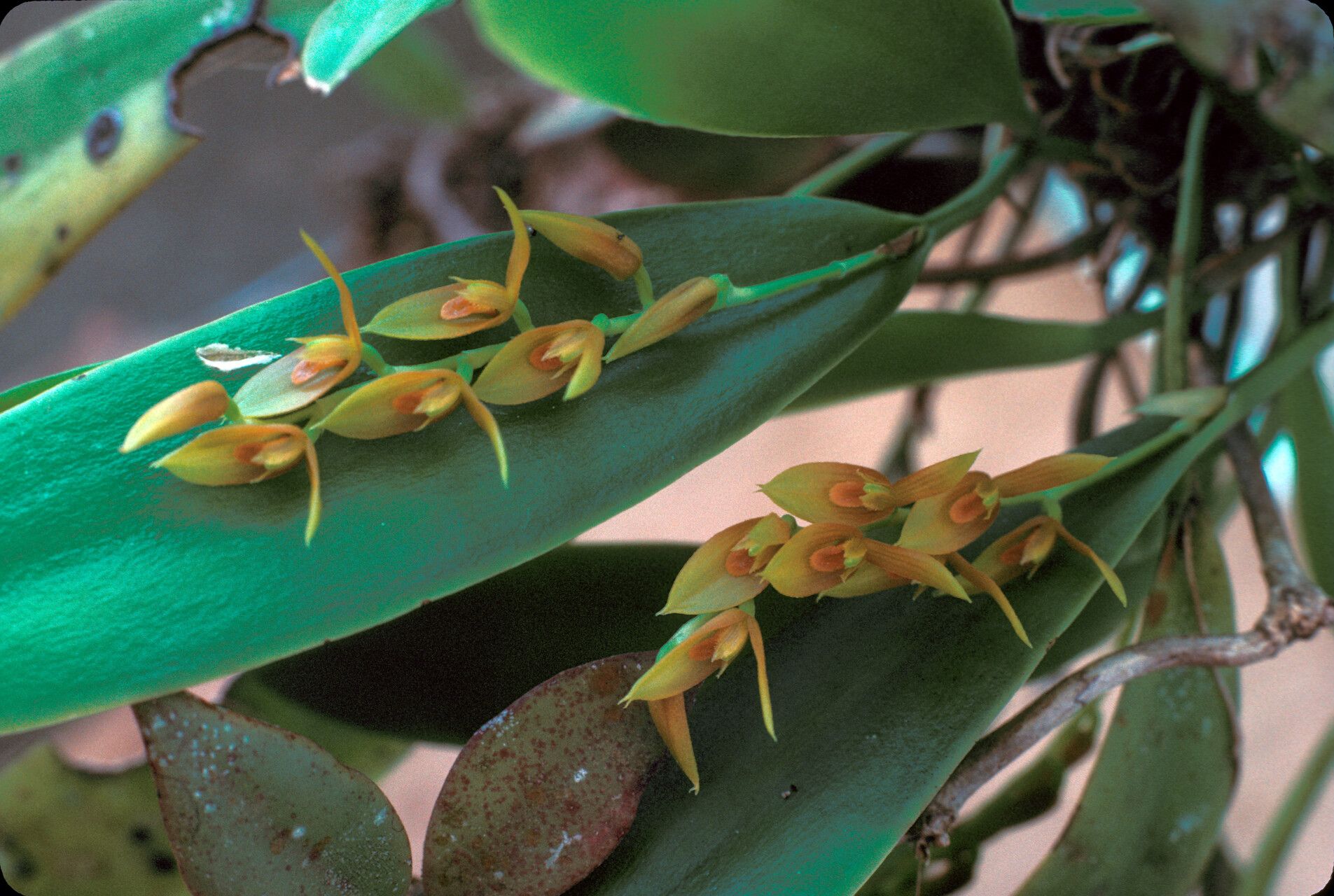
Hello there, fellow plant enthusiasts! If you’ve ever cast your eyes upon the delicate, fringed beauty of Acianthera ciliata, you know exactly why I’m so excited to talk about it today. This little orchid, with its charming “eyelashes,” is an absolute gem for any collection. And the joy of coaxing a whole new plant from an existing one? Well, that’s a kind of magic I never get tired of. Propagating Acianthera ciliata can be a rewarding journey, and while it might seem a tad intimidating at first glance, I promise you, it’s quite manageable once you get the hang of it.
The Best Time to Start
For the highest success rate, I’ve found that starting your propagation efforts in the spring is usually your best bet. Aim for after the plant has finished its main blooming cycle and is entering a period of active growth. You want to catch that energy!
Supplies You’ll Need
Gathering your supplies beforehand makes the whole process so much smoother. Here’s what I usually have on hand:
- Sharp, sterile pruning shears or a razor blade: Cleanliness is crucial to prevent disease.
- Potting mix: I lean towards a well-draining mix specifically for orchids. A blend of bark, perlite, and sphagnum moss usually works wonders.
- Rooting hormone (optional but helpful): A dip in this can give your cuttings a little nudge.
- Small pots or propagation trays: Whatever you have that can hold your new propagules securely.
- Clear plastic bags or a propagator lid: To create a humid environment.
- Water: Preferably distilled or rainwater for your orchid babies.
- Labels: For keeping track of what’s what!
Propagation Methods
The most reliable way I’ve found to propagate Acianthera ciliata is through division. It’s like giving your existing plant a little haircut and a new lease on life.
- Gently remove the plant from its pot. If it’s been in there for a while, you might need to loosen the edges carefully.
- Inspect the root system. Look for natural divisions where the plant has grown into separate sections. You’re aiming for sections that have at least a couple of leaves and some healthy-looking roots.
- Using your sterile pruning shears or razor blade, carefully cut through the rhizome (the thick, horizontal stem) to separate the divisions. Make sure each new division has enough foliage and roots to sustain itself.
- Allow the cut surfaces to air dry for a day or two. This helps them callous over, reducing the risk of rot.
- Pot each division into its own small pot with your orchid mix. Ensure the rhizome is sitting at the surface of the mix, not buried too deeply.
- Water sparingly at first. You don’t want to saturate the new pot. Just enough to moisten the mix.
- Place the potted divisions in a humid environment. This is where your plastic bag or propagator lid comes in handy. Keep it loosely tented over the pot to retain moisture.
The “Secret Sauce” (Pro Tips)
Here are a couple of things I’ve learned over the years that really make a difference:
- Don’t waterlog your new divisions. Orchids, especially when they’re young and vulnerable, are prone to rot. Keep the potting mix consistently moist, but never soggy. Think of it like squeezing out a wrung sponge.
- Bottom heat is your friend. If you have it, placing your propagation pots on a gentle seedling heat mat can significantly speed up root development. It mimics the warmth they’d naturally experience.
- Give them light, but no direct sun. New propagations need bright, indirect light to encourage growth, but direct sunlight can scorch their delicate leaves.
Aftercare & Troubleshooting
Once you see signs of new growth – tiny new roots emerging from the base or miniature leaves – your new Acianthera ciliata is establishing itself! Continue to keep the potting mix consistently moist and maintain that humid environment. Gradually introduce it to more ambient humidity as it grows.
The most common issue you might encounter is rot. If you notice mushy, blackening stems or leaves, it’s usually a sign of too much moisture. If you catch it early, you might be able to salvage the healthy parts by cutting away the rotted bits and letting them callous before repotting in fresh, dry mix. Pests can also be an issue, so keep an eye out for any unwelcome visitors and address them promptly.
A Little Patience Goes a Long Way
Propagating plants, especially something as intricate as an orchid, is a journey. There will be moments of doubt, but trust the process. Watching a tiny division unfurl its first new leaf or send out its tentative roots is incredibly rewarding. Be patient, enjoy the process, and soon you’ll have even more of these delightful Acianthera ciliata beauties to admire! Happy growing!
Resource: