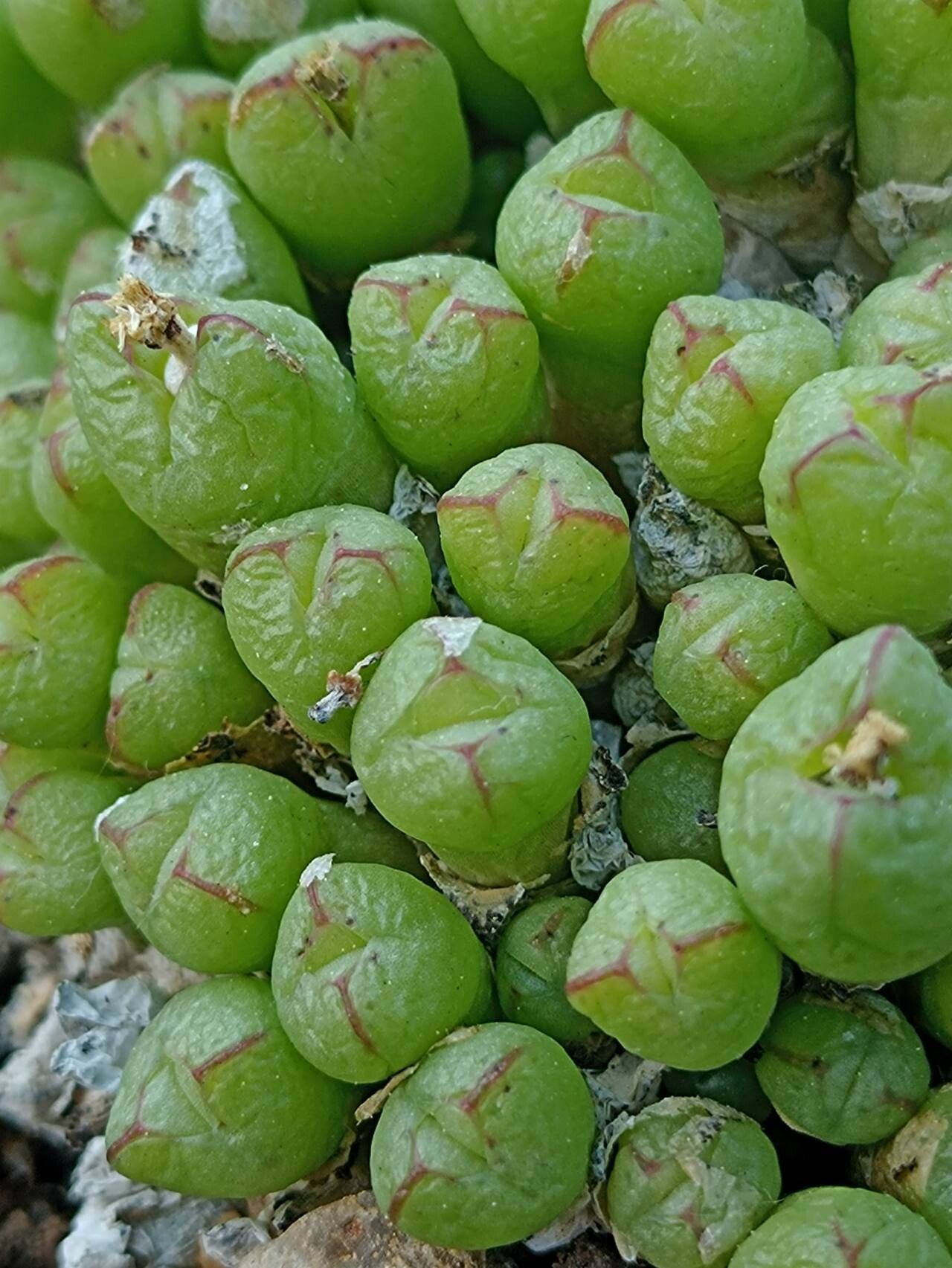
Hello, fellow plant enthusiasts! Today, we’re diving into the wonderful world of Conophytum loescheanum. If you’ve ever seen these charming little living pebbles, you know they have a certain allure. They’re like miniature sculptures, bursting with personality. Propagating them can feel a bit like magic, and it’s incredibly rewarding to watch a tiny piece of Conophytum flourish into its own plant. Now, I’ll be honest, Conophytum loescheanum isn’t the absolute easiest plant for a complete beginner to propagate, but with a little care and patience, it’s absolutely doable!
The Best Time to Start
For the highest success rate, aim to propagate your Conophytum loescheanum during its active growing season. This is typically in the late summer or early autumn. The plant is strong and has plenty of energy to dedicate to rooting. You want to avoid propagating when the plant is dormant or stressed.
Supplies You’ll Need
Before we get our hands dirty, let’s gather our tools:
- Well-draining soil mix: A succulent or cactus mix is a good starting point, but I like to add a bit more perlite or pumice for extra drainage. Think gritty and airy!
- Sharp, clean pruning shears or a blade: Sterilize them with rubbing alcohol to prevent disease.
- Rooting hormone (optional but recommended): This gives your cuttings a helpful boost.
- Small pots or propagation trays: They just need to be big enough to hold the small divisions or cuttings.
- Watering can with a fine rose or spray bottle: We need a gentle touch.
- Labels and a marker: So you don’t forget what you’ve propagated!
- A warm, bright location: Think indirect sunlight.
Propagation Methods
The most common and successful way to propagate Conophytum loescheanum is through division. These plants naturally form clusters, and separating these is straightforward.
Division:
- Gently unpot your Conophytum loescheanum. Be careful not to damage the roots.
- Locate the natural divisions. You’ll see where new “bodies” are emerging from the parent plant, often connected by a small stem or root structure.
- Carefully pull the divisions apart. If they don’t easily separate, use your sterilized pruning shears or blade to gently cut the connection between the bodies. Try to ensure each division has at least one “body” and some root.
- Allow the cut surfaces to callus. This is crucial! Let the divisions sit out in a dry, indirect light spot for 2-3 days. This allows the cuts to dry and form a protective scab, preventing rot when you plant them.
- Pot up your divisions. Plant them in your prepared, dry well-draining soil. Don’t water them immediately.
- Wait to water. Give them about a week before their first light watering. This gives any remaining microscopic wounds a chance to heal.
The “Secret Sauce” (Pro Tips)
Here are a couple of my personal tricks for success:
- Don’t be afraid of dry soil initially. After potting your divisions, I refrain from watering for a good week. This allows those tiny rootlets to start seeking out moisture, encouraging them to grow deeper.
- Bottom heat can be a game-changer. If you have a warm propagation mat, a gentle warmth from below can significantly speed up root development. It mimics the cozy conditions the plant thrives in.
Aftercare & Troubleshooting
Once your divisions have rooted (you’ll start to see new growth or feel resistance when gently tugging), you can treat them like a mature Conophytum. Water sparingly when the soil is dry, and ensure they get plenty of indirect light.
The most common issue you’ll encounter is rot. If you see a division becoming mushy, discolored (dark brown or black), or smelling foul, it’s likely rotting. Remove it immediately and discard it to prevent it from affecting other plants. Often, rot indicates too much moisture or insufficient drainage. If you’re unsure, it’s always better to err on the side of underwatering.
A Little Patience Goes a Long Way
Propagating Conophytum loescheanum might take a little time, but the joy of nurturing new life is immense. Be patient, observe your plants, and don’t get discouraged if a few don’t make it. Every gardener experiences losses; it’s part of the learning curve. Enjoy the process, and soon you’ll have a little collection of these delightful living stones! Happy growing!
Resource:
https://identify.plantnet.org/k-world-flora/species/Conophytum%20loescheanum%20Tischer/data