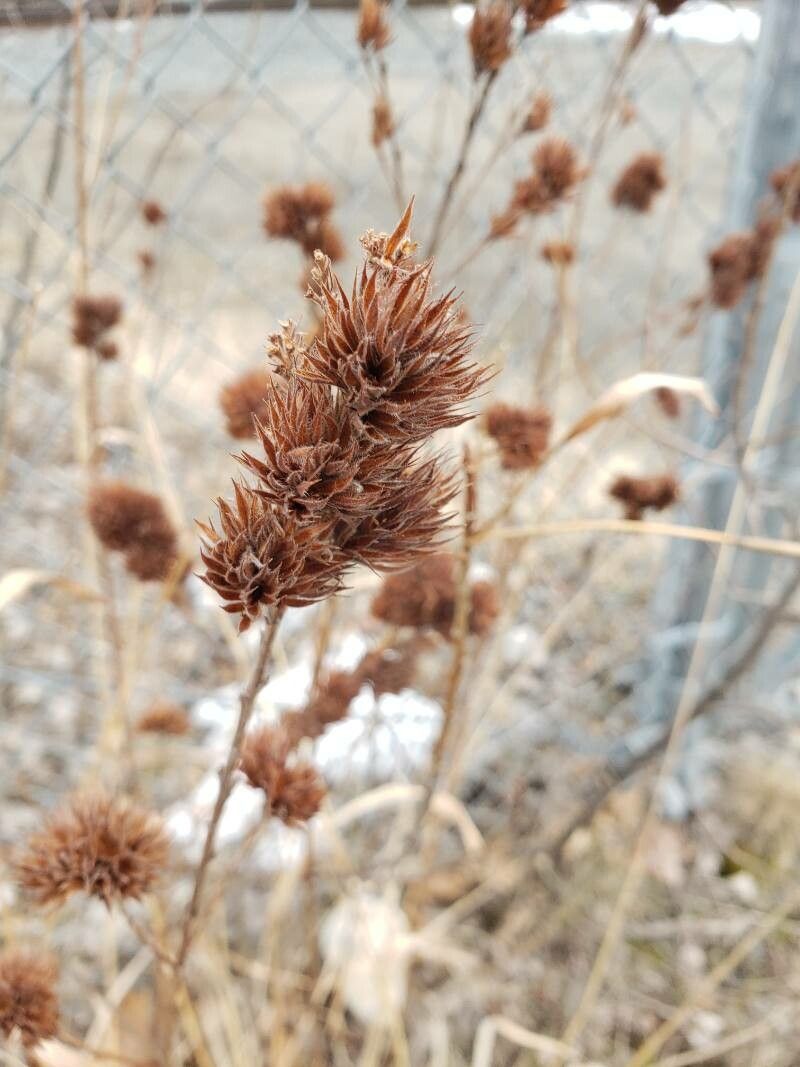
Hello fellow plant lovers! Today, we’re diving into the wonderful world of propagating Lespedeza capitata, also known as round-headed bush clover. If you’ve ever admired the delicate, almostfuzzy flower heads and the graceful form of this native beauty in a garden or meadow, you know how delightful it is. Propagating it yourself is a fantastic way to expand your collection, share it with friends, or simply experience the magic of growing a plant from a tiny cutting.
Don’t let the idea of propagation intimidate you! Lespedeza capitata is generally quite forgiving, making it a lovely project for both beginners and seasoned gardeners. It’s a rewarding plant to work with, offering a sense of accomplishment as you nurture it from a small start into a thriving specimen.
The Best Time to Start
For the highest success rates with Lespedeza capitata, aim to propagate during its active growing season. Late spring to early summer, after the plant has put on some new growth but before extreme heat sets in, is usually your sweet spot. You’re looking for young, flexible stem sections that are vigorous and healthy.
Supplies You’ll Need
Gathering your supplies beforehand makes the whole process smoother. Here’s what you’ll want on hand:
- Sharp pruning shears or a clean, sharp knife: For taking precise cuttings.
- Rooting hormone (optional but recommended): Helps encourage faster root development.
- Well-draining potting mix: A blend of perlite, peat moss, and a bit of compost works wonderfully. You can also use a dedicated seed-starting mix.
- Small pots or trays: With drainage holes!
- Plastic bags or a propagator: To create a humid environment.
- Labels: To keep track of what you’ve planted and when.
- Watering can or spray bottle: For gentle watering.
Propagation Methods
There are a couple of ways we can coax new life from our Lespedeza capitata. I find stem cuttings to be the most reliable and accessible for this plant.
Stem Cuttings:
- Select your cuttings: Look for healthy stems that are about 4-6 inches long. You want stems that are pliable but not brand new, incredibly soft growth. Avoid any that show signs of flowering or disease.
- Make the cut: Using your clean pruning shears or knife, take a clean cut just below a leaf node (where a leaf attaches to the stem). This is where roots are most likely to form.
- Prepare the cutting: Gently remove the leaves from the bottom half of the cutting. If the leaves are very large, you can even snip the remaining leaves in half to reduce moisture loss.
- Apply rooting hormone (optional): Dip the cut end of the stem into rooting hormone, tapping off any excess.
- Plant your cuttings: Fill your small pots with the prepared potting mix. Make a small hole with your finger or a pencil, and carefully insert the cutting, ensuring the nodes are buried. Gently firm the soil around the base of the cutting.
- Water gently: Water thoroughly until the soil is moist but not waterlogged.
- Create humidity: Cover the pots with a plastic bag, creating a mini-greenhouse. You can prop it up with sticks so it doesn’t touch the leaves. Alternatively, place the pots inside a propagator.
The “Secret Sauce” (Pro Tips)
Here are a few little tricks I’ve learned over the years that can really boost your success:
- Bottom Heat is Your Friend: If you have a seedling heat mat, placing your pots on it can significantly speed up root formation. It mimics the warmth of spring soil and is a real game-changer, especially if your home is on the cooler side.
- Don’t Drench, Mist: While you want the soil to be moist, overwatering is a sure way to invite rot. I prefer to mist the cuttings and the inside of the humidity dome regularly rather than watering from the top. This keeps things humid without saturating the soil.
- Patience and Observation: Don’t be tempted to yank on your cuttings to check for roots too soon! It can damage any delicate new growth. Instead, watch for new leaf development at the top of the cutting. This is usually a good sign that roots are forming below.
Aftercare & Troubleshooting
Once you see new growth emerging from the top of your cutting, that’s a great indicator that roots have developed. It’s time to slowly acclimate your new plants to life outside their humidity dome.
- Gradual Acclimation: For the first few days, open the plastic bag or propagator lid a little each day to let them get used to the drier air. Eventually, you can remove the cover entirely.
- Continue Gentle Watering: Keep the soil consistently moist but not soggy. Water when the top inch of soil feels dry to the touch.
- Bright, Indirect Light: Place your newly developing plants in a location that receives bright, indirect sunlight. Avoid direct sun, which can scorch delicate new leaves.
- Troubleshooting: The most common issue you’ll encounter is rot. If your cutting turns black and mushy, it’s likely succumbed to rot. This is often due to too much moisture and poor air circulation. Discard any rotted cuttings immediately to prevent it from spreading. If you see wilting that isn’t due to dryness, a cutting might be struggling, but don’t give up on the others just yet!
A Encouraging Closing
Propagating is a journey, and like any good gardening adventure, it’s filled with learning and rewards. Be patient with your Lespedeza capitata cuttings. Some will take off quickly, while others might need a little more time. Enjoy the process of nurturing these little plants and soon you’ll have a beautiful display of round-headed bush clover to admire. Happy growing!
Resource:
https://identify.plantnet.org/k-world-flora/species/Lespedeza%20capitata%20Michx./data