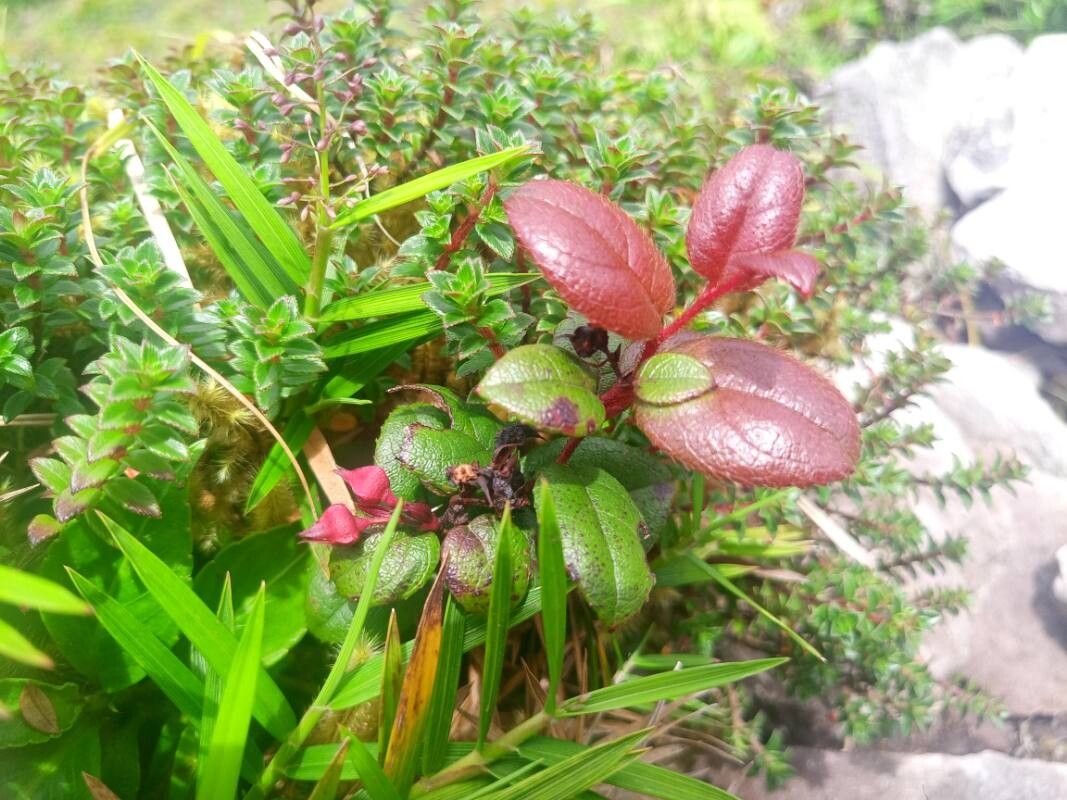
Oh, Gaultheria domingensis! If you’ve ever seen this gem, you know why it’s worth getting your hands dirty to grow more of it. Its glossy, evergreen foliage and charming, bell-shaped flowers are a delight, especially in shady corners of the garden. Propagating it is a wonderfully rewarding journey, offering the chance to fill your own garden with its understated beauty or share it with fellow plant lovers. For beginners, it’s a project that’s definitely achievable with a little care and patience.
The Best Time to Start
When you’re looking to get new Gaultheria domingensis plants going, the sweet spot is usually in late spring or early summer. This is when the plant is actively growing, and those lovely new shoots are more pliable and eager to root. Think of it as capturing that youthful energy – it’s just more receptive to starting a new life. You can also sometimes get away with taking cuttings in early autumn, but I’ve found spring gives me the most bang for my buck.
Supplies You’ll Need
Before we dive in, let’s gather our tools. Having everything ready makes the process so much smoother.
- Sharp Pruning Shears or a Knife: For clean cuts that heal well.
- Rooting Hormone (Optional but Recommended): A little powder can give cuttings a significant boost.
- Small Pots or Seed Trays: Clean pots are key to preventing disease.
- Well-Draining Potting Mix: A good blend of peat moss or coco coir, perlite, and a bit of compost works wonders. You want something that holds moisture but doesn’t get waterlogged.
- Plastic Bags or a Propagation Dome: To create a humid microclimate.
- Spray Bottle: For misting.
- Labels: Because trust me, you’ll forget what you planted where!
- Patience: The most important ingredient!
Propagation Methods
Gaultheria domingensis is a plant that really responds well to stem cuttings. It’s straightforward and often yields great results.
-
Taking the Cuttings:
- First, select healthy, non-flowering stems from a mature plant. Look for pieces that are about 4-6 inches long.
- Using your sharp shears, make a clean cut just below a leaf node. Nodes are those little bumps where leaves attach to the stem. This is where the magic of root formation usually happens.
- Gently strip off the lower leaves. You want to remove about half to two-thirds of the leaves from the bottom of the cutting. This prevents them from rotting when you stick them in the soil and also reduces water loss.
-
Preparing for Rooting:
- If you’re using rooting hormone, dip the cut end of the stem into the powder. Tap off any excess.
- Fill your pots or trays with your prepared potting mix. Moisten it slightly so it’s damp but not soggy.
- Make a hole in the potting mix with a pencil or your finger. This makes it easier to insert the cutting without rubbing off the rooting hormone.
- Insert the prepared cutting into the hole, ensuring the nodes where you removed leaves are buried in the soil. Gently firm the soil around the stem.
-
Creating the Right Environment:
- Water lightly to settle the soil around the cuttings.
- Now, here’s where we create that cozy, humid environment. Cover the pots with a clear plastic bag or place them under a propagation dome. You want to maintain high humidity to prevent the cuttings from drying out before they can form roots. Use a stake or two to keep the plastic from touching the leaves.
- Place the pots in a bright location but out of direct sunlight. A warm spot, perhaps on a heat mat if you have one, is ideal.
The “Secret Sauce” (Pro Tips)
These little tricks have saved many a propagation attempt for me, and I hope they help you too!
- Don’t let the leaves touch the water (if trying water propagation, though stem cuttings are easier for this plant). While I primarily recommend stem cuttings in soil, if you were to experiment with water, it’s crucial that the leaves stay above the waterline. Any submerged foliage will quickly rot, bringing disease to your cutting. Always keep it clean and above board!
- Bottom heat is your friend. If you really want to speed things up and increase your success rate, invest in a small propagation heat mat. Placing your pots on it provides gentle warmth to the base of the cuttings, encouraging roots to form much faster. It makes a noticeable difference, especially in cooler conditions.
- Cleanliness is paramount. I cannot stress this enough. Sterilize your tools and pots with a dilute bleach solution or rubbing alcohol before you start. This simple step can be the difference between success and a pot full of sad, rotting cuttings.
Aftercare & Troubleshooting
Once your cuttings have been planted, the waiting game begins. Keep the soil consistently moist but not waterlogged. You can check this by gently touching the surface of the soil. If it feels dry, time for a light watering or a misting of the leaves.
The signs of success are usually new leaf growth, which is a wonderful sight! You might also see tiny roots peeking out from the drainage holes. This can take anywhere from 4 to 8 weeks, sometimes longer.
What about troubleshooting? The most common issue is rot. If your cutting turns black and mushy, or looks limp and unhealthy, rot is likely the culprit. This is usually due to too much moisture and poor air circulation. If you see this, remove the affected cutting immediately to prevent it from spreading. You might also see the leaves wilting and drying out – this is a sign the cutting isn’t taking up enough water, often because it hasn’t rooted yet, or the environment is too dry. Increase humidity and keep the soil consistently moist.
A Little Encouragement to Close
Growing new plants is a beautiful dance with nature. Be patient, observe your cuttings closely, and don’t be discouraged if not every single one succeeds. Each attempt is a learning opportunity. Enjoy the process, and soon you’ll have your very own Gaultheria domingensis babies to nurture and admire! Happy propagating!
Resource:
https://identify.plantnet.org/k-world-flora/species/Gaultheria%20domingensis%20Urb./data