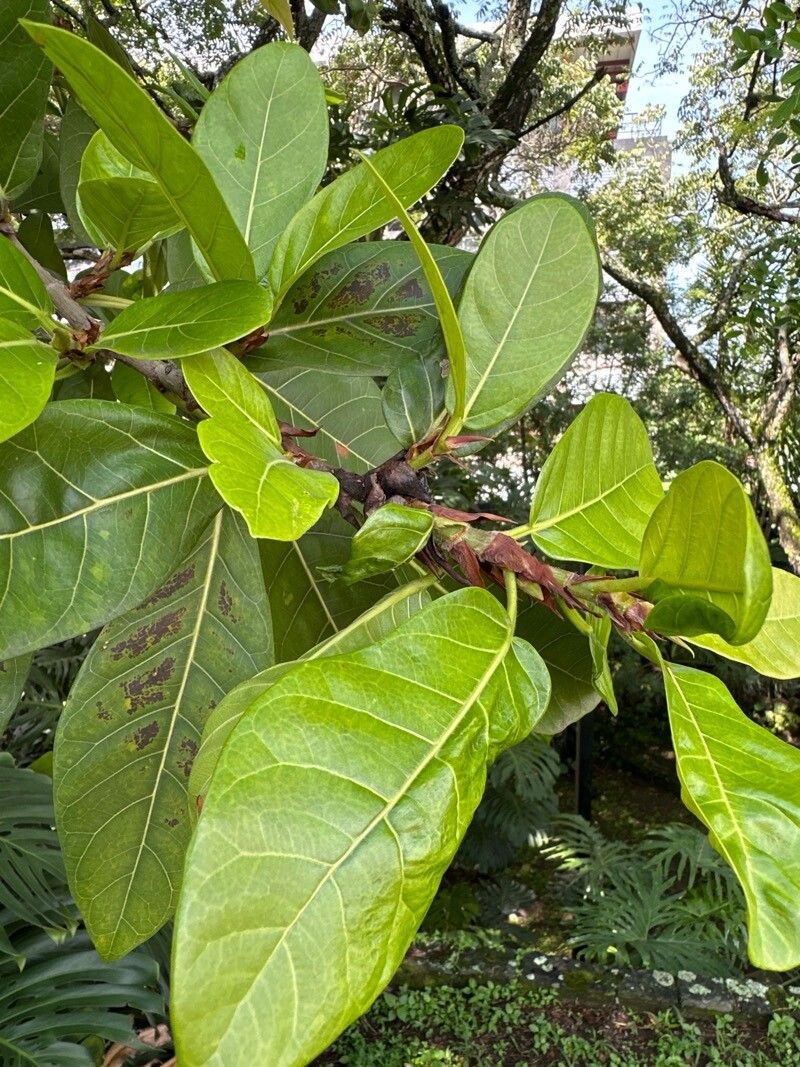
Oh, Ficus costaricana! If you’ve ever admired those dramatic, glossy leaves and wondered how you could bring more of that beauty into your home, you’re in the right place. These figs, with their imposing presence, are truly showstoppers. And the wonderful thing is, they’re not as fussy to propagate as you might think. Honestly, with a little guidance, even beginners can have fantastic success. It’s a deeply satisfying feeling to nurture a new plant from a simple cutting.
The Best Time to Start
My go-to time for propagating Ficus costaricana is during the spring and early summer. This is when the plant is actively growing, full of vigor, and just bursting with energy. Cuttings taken during this period have a much better chance of rooting quickly and sturdily. Think of it as giving your little plant babies the best possible start in life with plenty of warmth and light.
Supplies You’ll Need
Before we get our hands dirty, let’s gather our essentials. Having everything ready makes the process so much smoother.
- Sharp Pruning Shears or a Knife: Clean cuts are crucial for healthy rooting.
- Rooting Hormone (Optional but Recommended): A little boost can make a big difference. Look for one specifically for cuttings.
- Well-Draining Potting Mix: A mix of perlite, peat moss, and a bit of standard potting soil works wonderfully. Or a good quality cactus/succulent mix.
- Small Pots or Propagation Trays: Clean pots are a must to prevent disease.
- Water-Proof Labels and a Marker: Trust me, you’ll forget what’s what!
- Clear Plastic Bag or Propagator: To create a humid environment.
Propagation Methods
Ficus costaricana is pretty amenable to a couple of different propagation techniques. I usually stick to what works best and is most straightforward.
Stem Cuttings
This is my favorite method for Ficus costaricana. It’s tried and true!
- Select a Healthy Stem: Look for a piece of stem that’s at least 4-6 inches long. It should be somewhat mature, not brand-new, soft growth, but not woody either. A pencil-thick stem is usually ideal.
- Make the Cut: Using your clean shears or knife, make a clean cut just below a leaf node. Leaf nodes are those little bumps or joints where leaves emerge from the stem – this is where roots like to form.
- Prepare the Cutting: Gently remove the lower leaves, leaving just a couple at the very top. This prevents them from rotting in the soil or water.
- Apply Rooting Hormone (Optional): Dip the cut end of the stem into rooting hormone powder or gel. Tap off any excess.
- Plant Your Cutting: Moisten your potting mix slightly. Make a hole in the center of the pot with your finger or a pencil. Insert the cut end of the Ficus cutting into the hole, and gently firm the soil around it.
- Create Humidity: Lightly water the soil, then cover the pot with a clear plastic bag or place it in a propagator. Make sure the leaves don’t touch the sides of the bag too much.
- Find a Spot: Place your cutting in a warm spot with bright, indirect light. No direct sun, please!
Water Propagation
This is a lovely, visual way to watch your Ficus grow roots.
- Follow Steps 1-3 for preparing stem cuttings.
- Place in Water: Put the Ficus cutting into a clean jar or glass filled with room-temperature water.
- The Golden Rule: Make sure no leaves are submerged in the water. This is super important to prevent rot.
- Change the Water: Change the water every few days to keep it fresh and oxygenated.
- Location, Location, Location: Just like with soil propagation, find a spot with bright, indirect light.
The “Secret Sauce” (Pro Tips)
Over the years, I’ve picked up a few little tricks that seem to help ensure success.
- The “Wipe” Trick: After you make your cutting, you might notice a milky white sap oozing from the Ficus. This is normal! It can sometimes inhibit rooting. A quick but gentle wipe with a damp cloth can help remove the excess latex.
- Bottom Heat is Your Friend: If you have it, using a gentle heat mat placed underneath your pots can dramatically speed up the rooting process. It mimics the warmth of spring soil and encourages those roots to sprout with enthusiasm.
- Don’t Be Impatient with Soil: When planting stem cuttings in soil, don’t overwater! Keep the soil consistently moist but never soggy. A good indicator is when the top inch of soil feels dry to the touch.
Aftercare & Troubleshooting
Once you start seeing signs of roots – new leaf growth is a great indicator, or you might even see them peeking from the bottom of the pot – it’s time for gentle care.
- Transitioning: If you propagated in water, wait until the roots are about an inch long before transplanting them into a pot with well-draining soil. Treat them very gently during this transition.
- Gradual Acclimatization: Slowly remove the plastic bag (if using) over a week or two, allowing the new plant to adjust to normal humidity.
- Lighting: Continue to provide bright, indirect light.
- Watering: Water when the top inch of soil is dry.
Now, what about when things go wrong? The most common issue is rot. If your cutting turns mushy, black, or simply refuses to show any signs of life after a long while, it’s likely succumbed to rot. This is often due to overwatering or poor air circulation. Don’t be discouraged! It happens to the best of us. Just clean up, sterilize your tools, and try again. Sometimes, a cutting just isn’t destined for success.
A Little Patience Goes a Long Way
Propagating plants is a journey, not a race. There will be moments of excitement, and perhaps a few setbacks. But with Ficus costaricana, you’re learning to work with a resilient and beautiful plant. Be patient, enjoy watching those tiny roots develop, and soon you’ll have a whole new Ficus to admire. Happy propagating!
Resource:
https://identify.plantnet.org/k-world-flora/species/Ficus%20costaricana%20(Liebm.)%20Miq./data