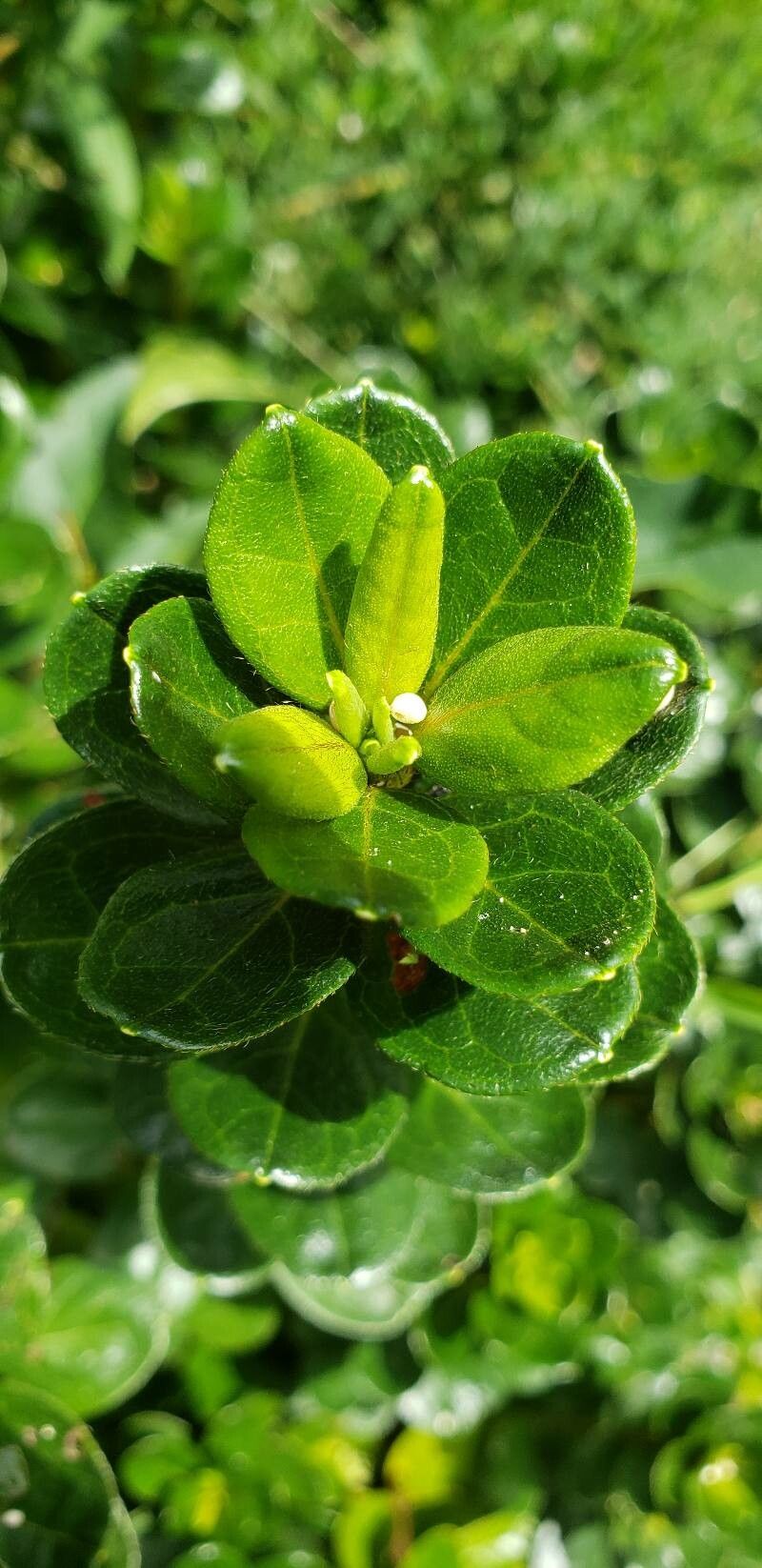
Oh, I’m so glad you’re interested in propagating Gaultheria humifusa! This little gem, also known as creeping wintergreen or alpine wintergreen, is just delightful. Its glossy, evergreen leaves and delicate, bell-shaped pink flowers bring such charm to shady, woodland gardens. And the bonus? The edible berries are a sweet treat for you and the wildlife!
Propagating it yourself is wonderfully rewarding. You get more of this beauty for your own garden or to share with fellow plant lovers. For beginners, I’d say Gaultheria humifusa leans towards moderately easy. It’s not as foolproof as some plants, but with a little care and attention, you’ll be successful.
The Best Time to Start
I find the late spring to early summer is your sweet spot for propagating Gaultheria humifusa. This is when the plant is actively growing and still has nice, flexible new shoots. Trying to take cuttings when the plant is stressed, like during a heatwave or when it’s dormant in winter, will lead to disappointment. You want that vigorous growth helping your new propagules get established.
Supplies You’ll Need
Gathering your supplies beforehand makes the whole process so much smoother. Here’s what I usually have on hand:
- Sharp, clean pruning shears or a sharp knife
- Coarse, well-draining potting mix. A good blend for woodland plants is key. I often use a mix of peat moss, perlite, and a bit of compost.
- Small pots or trays with drainage holes
- Rooting hormone (optional, but can give you a good boost)
- A plastic bag or propagation dome (to maintain humidity)
- A spray bottle filled with water
- A small trowel orDibber
- Labels for your new babies, of course!
Propagation Methods
Let’s get our hands dirty! For Gaultheria humifusa, I’ve had the most success with stem cuttings and division.
Stem Cuttings:
This is my go-to method for increasing my plants.
- Select your parent plant. Look for healthy, vigorous stems that are about 4-6 inches long. You want semi-hardwood cuttings – meaning they are new growth but have started to firm up a bit, not the super-soft, floppy tips.
- Make the cut. Using your sharp shears, take the cutting just below a leaf node (where a leaf attaches to the stem). This is where roots are more likely to form.
- Prepare the cutting. Gently remove the lower leaves from the cutting, leaving just 2-3 leaves at the top. If the stem is particularly long, you can even cut the remaining top leaves in half horizontally. This reduces water loss.
- Apply rooting hormone (if using). Dip the cut end of the stem into your rooting hormone, tapping off any excess.
- Plant the cutting. Make a small hole in your prepared potting mix using a trowel or dibber. Insert the cutting into the hole, ensuring the leaf nodes are below the soil surface. Gently firm the soil around the stem.
- Water gently. Water the potting mix thoroughly but carefully, so you don’t dislodge the cutting.
- Create a mini-greenhouse. Cover the pot with a clear plastic bag or place it in a propagation dome. This traps humidity, which is crucial for cuttings. Make sure the plastic doesn’t touch the leaves. You can prop it up with small stakes if needed.
- Find a good spot. Place the pot in a bright location with indirect light. Avoid direct sun, which can scorch your cuttings.
Division:
If you have a more mature clump of Gaultheria humifusa, dividing it is a fantastic way to get multiple plants quickly.
- Gently dig up the plant. Do this in early spring just as new growth is appearing. Try to disturb the roots as little as possible.
- Inspect the root ball. You’ll see that the plant naturally forms clumps.
- Separate the clumps. Using your hands, or a clean spade if necessary, carefully pull or cut the root ball apart. Aim to get divisions that have a good amount of roots and at least one or two shoots.
- Pot up the divisions. Plant each division in its own pot filled with your well-draining potting mix.
- Water well. Water them in thoroughly.
- Place in a sheltered spot. Keep them in a shady, sheltered location for a few weeks to help them recover from the shock of being divided.
The “Secret Sauce” (Pro Tips)
Here are a few little tricks I’ve learned over the years that make a big difference:
- Bottom heat is your friend. While not strictly necessary, placing your pots on a heat mat can significantly speed up root development, especially for cuttings. It mimics the warmth of the soil in their natural habitat.
- Don’t let leaves touch the water. In water propagation (which I generally avoid for Gaultheria humifusa as they prefer soil moisture), it’s crucial that no leaves are submerged. They’ll just rot. But stick to soil propagation for these guys; they’re happier there.
- Mist regularly. Even with the plastic bag, it’s a good idea to lightly mist the leaves with your spray bottle every day or two. This extra humidity boost helps them stay turgid while they’re trying to root.
Aftercare & Troubleshooting
Once you see signs of new growth – that’s a great indicator that roots are forming! You can gently tug on a cutting; if there’s resistance, it’s likely rooted.
- Harden off gradually. When your cuttings have developed a decent root system (usually after 6-8 weeks), it’s time to introduce them to the outside world, very gradually. Open the plastic bag a little more each day over a week or two. Then, move them to a shadier spot outdoors before planting them in their permanent home.
- Watch for rot. The most common problem you’ll encounter is rot, often caused by overly wet conditions or poor air circulation. If you see stems turning black or mushy, sadly, that cutting is likely lost. Make sure your soil drains exceptionally well and don’t overwater.
- Patience is key. Sometimes, root development can take longer than you expect. Don’t give up too soon!
A Encouraging Closing
It’s such a joy to watch a tiny cutting or a divided clump transform into a thriving plant. Be patient with your little Gaultheria humifusa propagations. Gardening is all about learning, and each effort, successful or not, teaches you something new. So, have fun with it, and soon you’ll have beautiful creeping wintergreen spreading through your garden! Happy propagating!
Resource:
https://identify.plantnet.org/k-world-flora/species/Gaultheria%20humifusa%20(Graham)%20Rydb./data