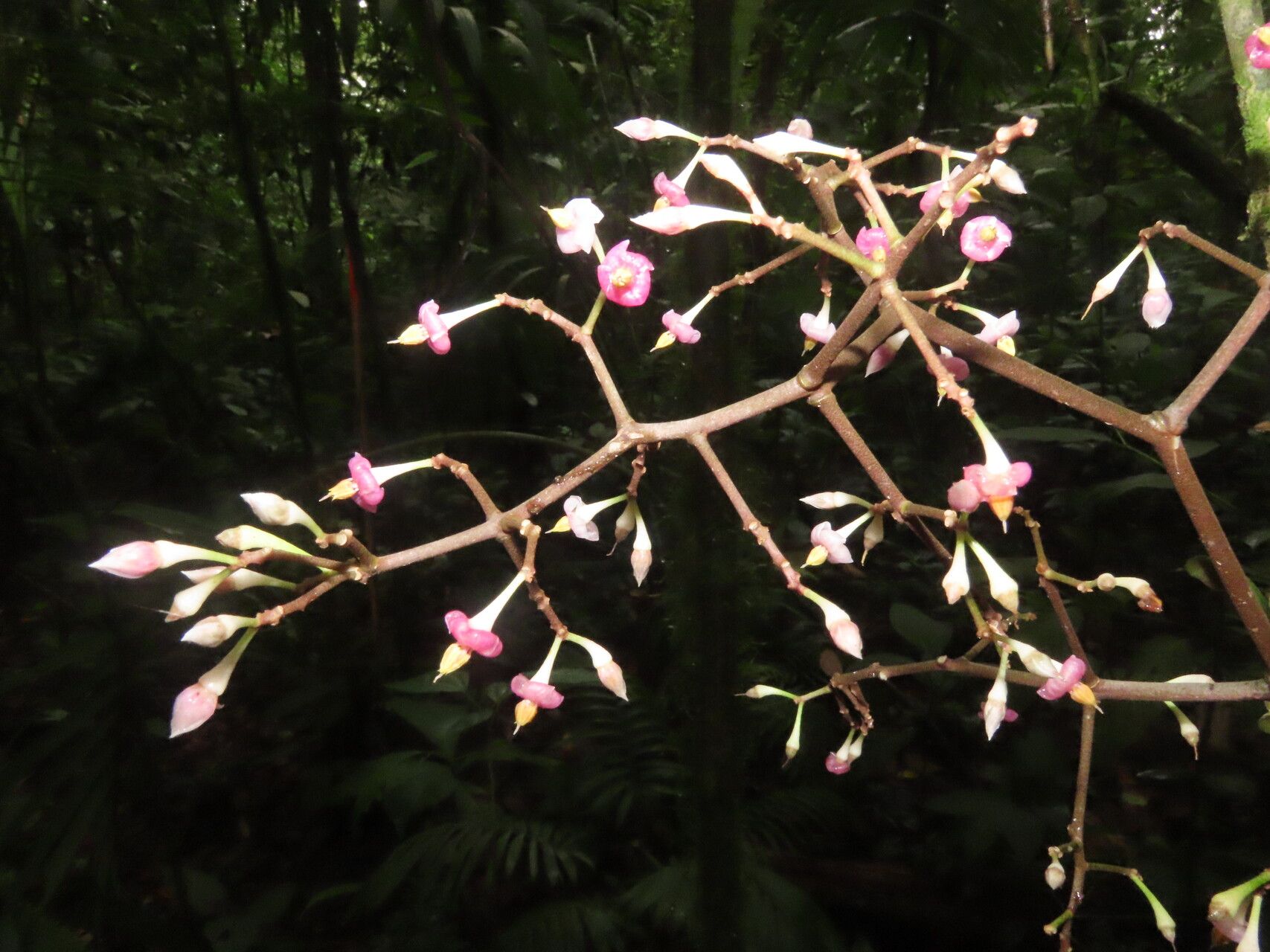
Hello fellow plant lovers! Today, we’re diving into the wonderful world of propagating Ardisia auriculata. If you’re a fan of its glossy, dark green leaves and charming clusters of red berries, you know how special this plant is. Bringing new life into your garden, or simply sharing a piece of this beauty with a friend, is one of the most rewarding aspects of gardening. And guess what? Propagating Ardisia auriculata is quite accessible, even for those just starting their plant journey. You’ll feel a real sense of accomplishment!
The Best Time to Start
For the highest success rates, aim to propagate your Ardisia auriculata in the spring or early summer. This is when the plant is actively growing, meaning its stems are flush with energy, ready to root. You want to take cuttings from healthy, vigorous growth, avoiding any stems that look weak or are showing signs of stress. Think of it as picking the best bits from a thriving plant!
Supplies You’ll Need
- Sharp pruning shears or a clean knife: For making precise cuts.
- Rooting hormone (optional, but recommended): This can give your cuttings a helpful boost. Look for one formulated for stem cuttings.
- A well-draining potting mix: A good blend is 50% peat moss or coco coir and 50% perlite or sharp sand. This prevents waterlogging.
- Small pots or seed trays: Clean containers are crucial to prevent disease.
- Watering can with a fine rose: For gentle watering.
- Plastic bags or humidity domes: To create a humid environment for your cuttings.
- Labels and a marker: To keep track of what you’ve propagated and when.
Propagation Methods
I find two methods work particularly well for Ardisia auriculata: stem cuttings and the slightly simpler water propagation.
Stem Cuttings
- Select your cutting: Look for a healthy stem that has not flowered or fruited recently. You want a stem that is semi-hardwood – not too soft and green, but not woody either.
- Make the cut: Using your clean pruning shears, take a cutting that is about 4-6 inches long. Make the cut just below a leaf node (where a leaf attaches to the stem).
- Prepare the cutting: Gently remove the lower leaves, leaving just a few at the top. This reduces water loss and prevents the submerged leaves from rotting.
- Apply rooting hormone (optional): Dip the cut end of the stem into rooting hormone, tapping off any excess.
- Plant your cutting: Fill your chosen pots with your well-draining potting mix. Make a small hole in the center of the soil with your finger or a pencil.
- Insert the cutting: Place the cut end of the stem into the hole. Firm the soil gently around it.
- Water gently: Water thoroughly until the soil is evenly moist.
- Create humidity: Cover the pot with a clear plastic bag or a humidity dome. Make sure the leaves don’t touch the inside of the bag. You can prop up the bag with skewers if needed.
- Place in bright, indirect light: Avoid direct sunlight, which can scorch the young cuttings.
Water Propagation
- Select and cut: Similar to stem cuttings, choose a healthy stem and cut it 4-6 inches long just below a leaf node.
- Remove lower leaves: Strip off the leaves from the bottom two-thirds of the cutting.
- Place in water: Fill a clean jar or glass with room-temperature water. Submerge the lower, leafless portion of the stem. Crucially, ensure no leaves are submerged in the water. This is a common mistake that leads to rot.
- Change the water regularly: Every 3-4 days, change the water to keep it fresh and oxygenated.
- Position for light: Place the jar in a spot with bright, indirect light.
The “Secret Sauce” (Pro Tips)
Here are a couple of tricks I’ve learned over the years:
- Bottom heat is your friend: For stem cuttings, placing the pots on a warm propagator mat can significantly speed up root development. It mimics the warmth of spring soil and encourages the plant to send out roots faster.
- Don’t rush the transplant: For both methods, be patient! For stem cuttings, wait until you see new leaf growth and resistance when you gently tug on the cutting. For water propagation, wait until the roots are at least an inch long before attempting to pot them up. Premature transplanting can shock the young roots.
Aftercare & Troubleshooting
Once your cuttings have developed a good root system (you’ll see roots forming in the water for those methods, or feel resistance when gently tugging on potted cuttings), it’s time to transition them.
- For potted cuttings: Gradually acclimate them to lower humidity before removing the plastic bag permanently. Start by opening the bag for a few hours each day. Continue to keep them in bright, indirect light and water when the top inch of soil feels dry.
- For water-propagated cuttings: Carefully pot them up into your well-draining potting mix. Water them gently, and again, consider covering them with a plastic bag for a week or two to help them adjust to the soil.
Common signs of failure: The most common issue is rot. This typically shows up as a black, mushy stem base, especially in water propagation if leaves are submerged or the soil remains too wet. If you see rot, it’s usually best to discard the cutting and start again, ensuring your sanitation and watering practices are clean. Yellowing leaves can sometimes indicate too much or too little water, or insufficient light.
A Encouraging Closing
Propagating plants is all about observation and a little bit of faith. Don’t be discouraged if your first few attempts aren’t perfect. Each cutting you take, each new root you coax into existence, is a learning experience. Be patient with your new little Ardisia auriculata babies, give them the right conditions, and enjoy the magic of watching them grow! Happy gardening!
Resource:
https://identify.plantnet.org/k-world-flora/species/Ardisia%20auriculata%20Donn.Sm./data