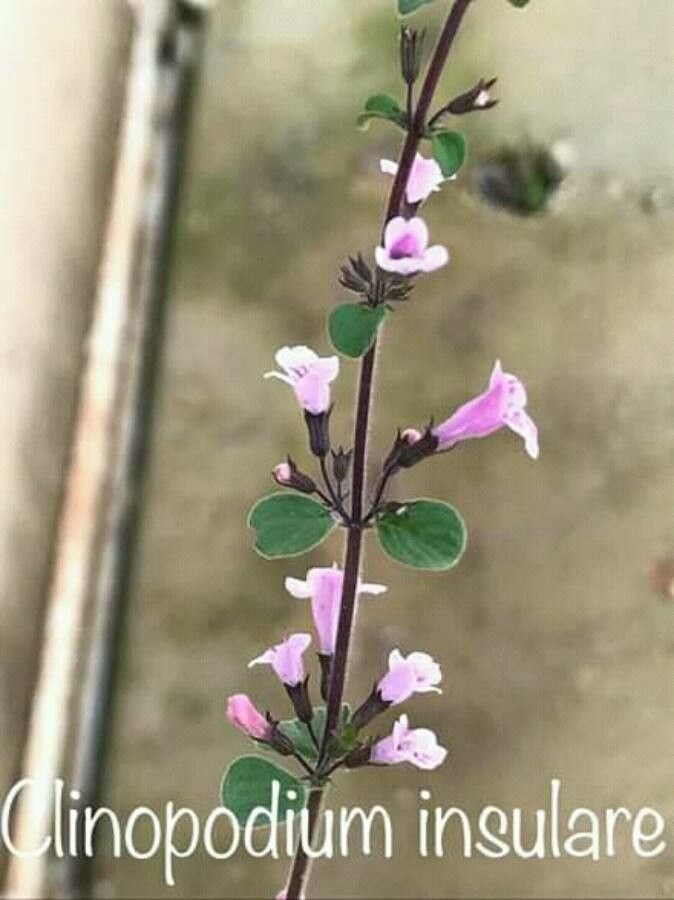
Oh, Clinopodium brevifolium! What a charming little plant. Its delicate, minty-scented foliage and dainty white flowers are such a joy in any garden, especially spilling over the edge of a pot or tucking into a rock garden. And the best part? Sharing it! Propagating this beauty is a wonderfully rewarding experience, and I’m thrilled you’re looking to dive in.
Don’t worry, this isn’t a plant that will have you tearing your hair out. For beginners, Clinopodium brevifolium is quite forgiving. You’ll get the hang of it in no time!
The Best Time to Start
For the highest success rate, I always recommend propagating Clinopodium brevifolium in late spring or early summer. This is when the plant is actively growing and has plenty of fresh, vigorous energy to put into rooting new cuttings. You want to take cuttings from new, yet-undried growth.
Supplies You’ll Need
Gathering your supplies beforehand makes the whole process smoother. Here’s what you’ll need:
- Sharp pruning shears or a clean knife: For making clean cuts.
- Rooting hormone (optional, but recommended): This little helper is like a boost for your cuttings.
- Potting mix: A light, well-draining mix is key. I like a blend of equal parts peat moss or coco coir and perlite or coarse sand.
- Small pots or trays: Clean containers are a must to prevent disease.
- Plastic bags or a propagator lid: To maintain humidity.
- Watering can or spray bottle: For gentle watering.
- Location with bright, indirect light: Direct sun will scorch fragile cuttings.
- Bottom heat (optional): A heat mat can significantly speed up rooting.
Propagation Methods
Let’s get our hands dirty and talk about how to multiply your Clinopodium brevifolium!
1. Stem Cuttings (My Favorite!)
This is my go-to method for Clinopodium brevifolium. It’s straightforward and often yields excellent results.
- Take your cuttings: In the right season, select healthy, non-flowering stems. Use your sharp pruners to take cuttings about 3 to 4 inches long. Make a clean cut just below a leaf node (where a leaf attaches to the stem).
- Prepare the cuttings: Gently remove the leaves from the bottom half of each cutting. This also helps prevent rot when you plant them. You can leave a few leaves at the top.
- Apply rooting hormone (if using): Dip the cut end of each stem into your rooting hormone powder, tapping off any excess.
- Plant the cuttings: Fill your small pots or trays with your prepared potting mix. Make a small hole in the center of each pot with your finger or a pencil. Insert the cuttings into the holes, ensuring the leafless portion is buried. Gently firm the soil around the base of each cutting.
- Water and cover: Water the soil gently until it’s evenly moist. Then, cover the pots with plastic bags or place them inside a propagator with a lid. This creates a humid environment essential for root development.
- Provide light and warmth: Place the pots in a spot with bright, but indirect light. If you have a heat mat, place the pots on it for consistent bottom warmth.
2. Water Propagation (A Visual Treat)
This method lets you watch the magic happen! It’s a bit more visual, and you can see the roots forming.
- Prepare cuttings: Follow steps 1 and 2 from the stem cuttings method.
- Place in water: Fill small jars or glasses with room-temperature water.
- Submerge the cuttings: Place the prepared cuttings in the water, ensuring the leaf nodes where you removed the leaves are submerged. Crucially, make sure no leaves are touching the water. If they are, trim them off.
- Provide light: Place the jars in a bright location, out of direct sunlight.
- Change water regularly: Change the water every few days, or whenever it looks cloudy. This keeps it fresh and prevents bacterial growth.
- Pot when ready: Once you see good root growth (an inch or two long with smaller root hairs), it’s time to transplant them into your potting mix following steps 4 and 5 from the stem cuttings method.
The “Secret Sauce” (Pro Tips)
Here are a couple of my tried-and-true tricks that give my cuttings an extra edge:
- The “Air Gap” Trick: When you’re rooting in water, if a leaf is just barely dipping into the water, trim it off. The key is to ONLY have the stem nodes submerged. Any submerged leaves are an invitation for rot.
- Bottom Heat is Your Best Friend: Honestly, for faster and more successful rooting, a propagation mat or even placing your pots on top of your refrigerator (if it’s consistently warm there) makes a huge difference. It mimics the warmth of spring soil.
Aftercare & Troubleshooting
Once your cuttings have developed a good root system, it’s time to transition them.
- Acclimatize: If you used plastic bags, gradually remove the cover over a few days to let the new plants adjust to normal humidity.
- Watering: Water them consistently, keeping the soil evenly moist but not soggy. Allow the top half-inch of soil to dry out slightly between waterings.
- Light: Continue to provide bright, indirect light.
- Troubleshooting: The most common issue is rot. If you see your cuttings turning black and mushy, it’s usually due to overwatering or poor air circulation. Ensure your soil is well-draining and that you aren’t keeping them too wet. If cuttings fail to root after several weeks, don’t be discouraged! Sometimes they just don’t take.
A Little Patience Goes a Long Way
Propagating plants is a bit like watching a seed sprout – it takes a little time and a lot of gentle care. Don’t be discouraged if not every cutting succeeds. Enjoy the process of nurturing these tiny new lives, and soon you’ll have a whole collection of Clinopodium brevifolium to share or enjoy yourself. Happy gardening!
Resource: