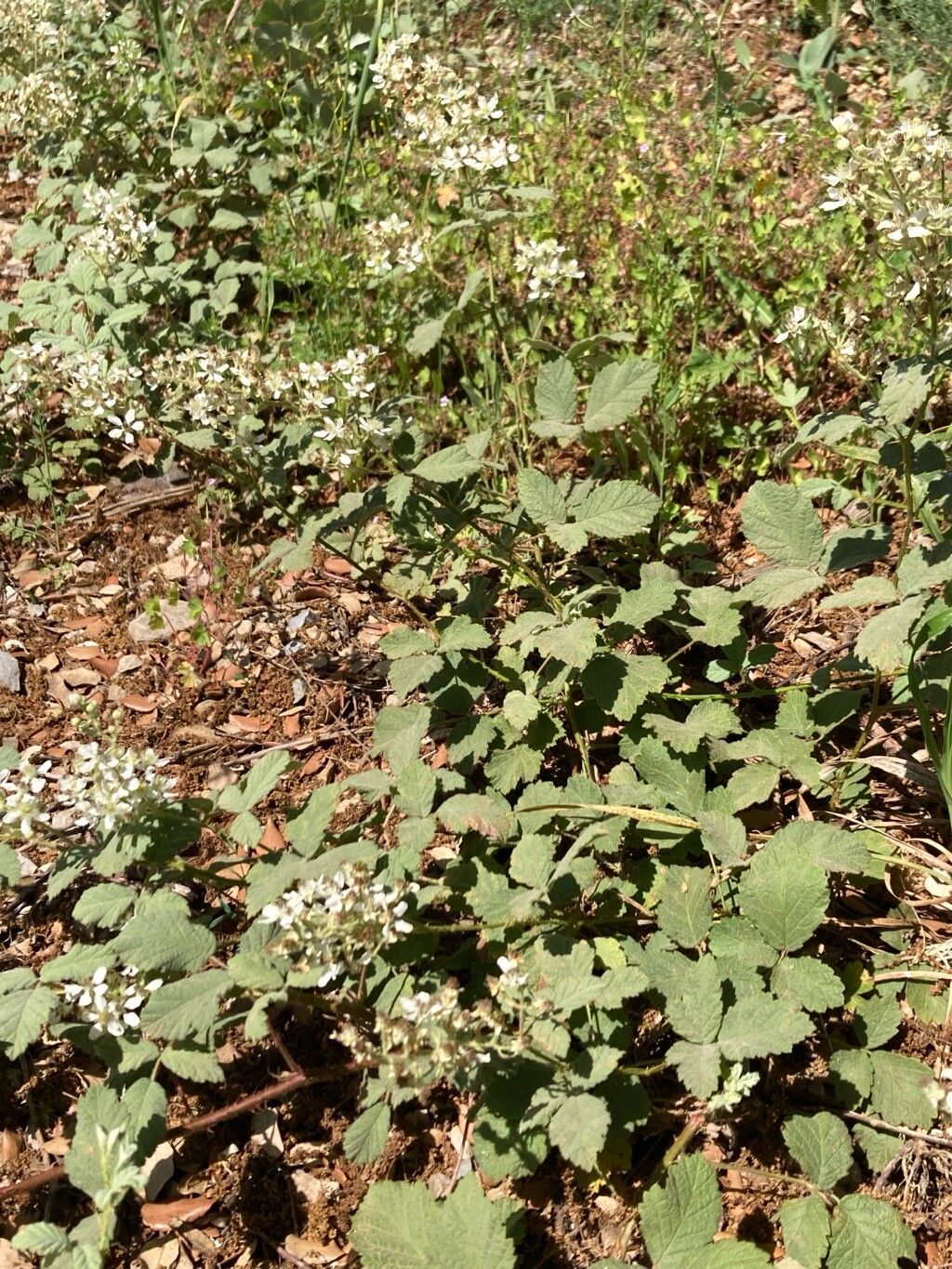
Hello there, fellow plant enthusiasts! I’m so excited to chat with you today about a plant that’s earned a special spot in my heart and my garden: Rubus canescens. You might know it as a type of bramble, but this particular gem offers a delightful charm unmatched by many of its wilder cousins. Its delicate foliage and, depending on the variety, its subtle beauty make it a wonderful addition to many garden styles.
Propagating Rubus canescens is a really satisfying journey. There’s something deeply rewarding about taking a small piece of a healthy plant and nurturing it into something entirely new. For beginners, I’d say this one falls into the moderately easy category. It’s not as straightforward as a spider plant, but with a little attention and the right approach, you’ll be well on your way to success!
The Best Time to Start
Honestly, the sweet spot for propagating Rubus canescens is usually late spring to early summer. This is when the plant is actively growing and has plenty of energy to put into root development. Look for new, flexible growth – often called softwood cuttings. You’ll want stems that have started to firm up a bit but aren’t yet woody and stiff. This is when they are most receptive to rooting.
Supplies You’ll Need
Here’s what you’ll want to have on hand before you get started:
- Sharp pruning shears or a clean, sharp knife: For making clean cuts.
- Rooting hormone (optional but recommended): This really gives cuttings a boost. Look for one specifically for softwood cuttings.
- Small pots or trays: Clean ones are key to prevent disease.
- A good quality potting mix: I prefer a blend of peat moss, perlite, and a bit of compost. This ensures good drainage and aeration. You can also buy a specialized seedling mix.
- Plastic bags or a propagator lid: To create a humid environment.
- Watering can or spray bottle: For gentle watering.
- Labels and a marker: To keep track of what you’ve planted!
Propagation Methods
Let’s dive into how we can get more Rubus canescens plants!
Stem Cuttings (Softwood)
This is my go-to method for Rubus canescens.
- Select your parent plant: Find a healthy, vigorous Rubus canescens.
- Take your cuttings: Using your sharp shears, take cuttings that are about 4-6 inches long. Make the cut just below a leaf node (where a leaf attaches to the stem).
- Prepare the cuttings: Gently remove the lower leaves, leaving just a couple at the very top. This prevents them from rotting in the soil.
- Apply rooting hormone (optional): Dip the cut end of the stem into your rooting hormone, tapping off any excess. Don’t be shy, it really helps!
- Plant your cuttings: Fill your small pots with your prepared potting mix. Make a small hole with your finger or a pencil. Insert the cutting into the hole, ensuring the leaf nodes are covered by the soil. Gently firm the soil around the base of the cutting.
- Water gently: Water thoroughly but gently, to settle the soil around the cuttings.
Division (for mature plants)
If you have a more established Rubus canescens clump, division is a fantastic option.
- Dig up the plant: In early spring, before new growth really takes off, carefully dig up the entire plant clump.
- Gently separate the divisions: Using your hands or a spade, gently pull or cut the clump into smaller sections. Each section should have at least one healthy stem and some root system.
- Replant immediately: Replant the divisions into their new spots or into prepared pots with good soil. Water them well.
The “Secret Sauce” (Pro Tips)
Here are a few tricks I’ve learned over the years that can make a big difference:
- Humidity is your friend: For cuttings, creating a mini-greenhouse effect is crucial. Pop a plastic bag over the pot, creating a tent, or use a propagator lid. Just make sure the leaves aren’t touching the plastic, as this can encourage rot. I often use a few stakes to prop up the bag.
- Bottom heat is a game-changer: If you have it, using a propagation mat underneath your pots can significantly speed up the rooting process. The warmth encourages root formation from below. It’s not essential, but it’s a nice boost!
- Don’t overwater: After the initial watering of your cuttings, let the top inch of soil to dry out slightly between waterings. Soggy soil is an invitation for rot, and that’s the quickest way to lose your precious new plants.
Aftercare & Troubleshooting
Once your cuttings have been planted, it’s all about patience and observation. Keep them in a bright, indirect light location. Avoid direct hot sun, which can scorch tender new growth.
You’ll know your cuttings are rooting when you see new leaf growth appearing. You can also give them a gentle tug – if there’s resistance, roots have formed! It can take anywhere from a few weeks to a couple of months, so don’t get discouraged if you don’t see progress right away.
The biggest enemy is rot. If you notice stems turning black and mushy, or if the leaves are wilting and don’t perk up after watering, it’s likely rot setting in. This is usually due to overwatering or poor air circulation. Unfortunately, there’s not much you can do once rot takes hold, so it’s best to discard the affected cutting to prevent it from spreading.
A Encouraging Closing
Propagating Rubus canescens is a wonderfully rewarding endeavor. It teaches you to observe, to be patient, and to appreciate the resilience of nature. Don’t be afraid to experiment, and remember that every gardener has had their share of failures – it’s all part of the learning process! Enjoy watching these little pieces of your garden come to life. Happy propagating!
Resource:
https://identify.plantnet.org/k-world-flora/species/Rubus%20canescens%20DC./data