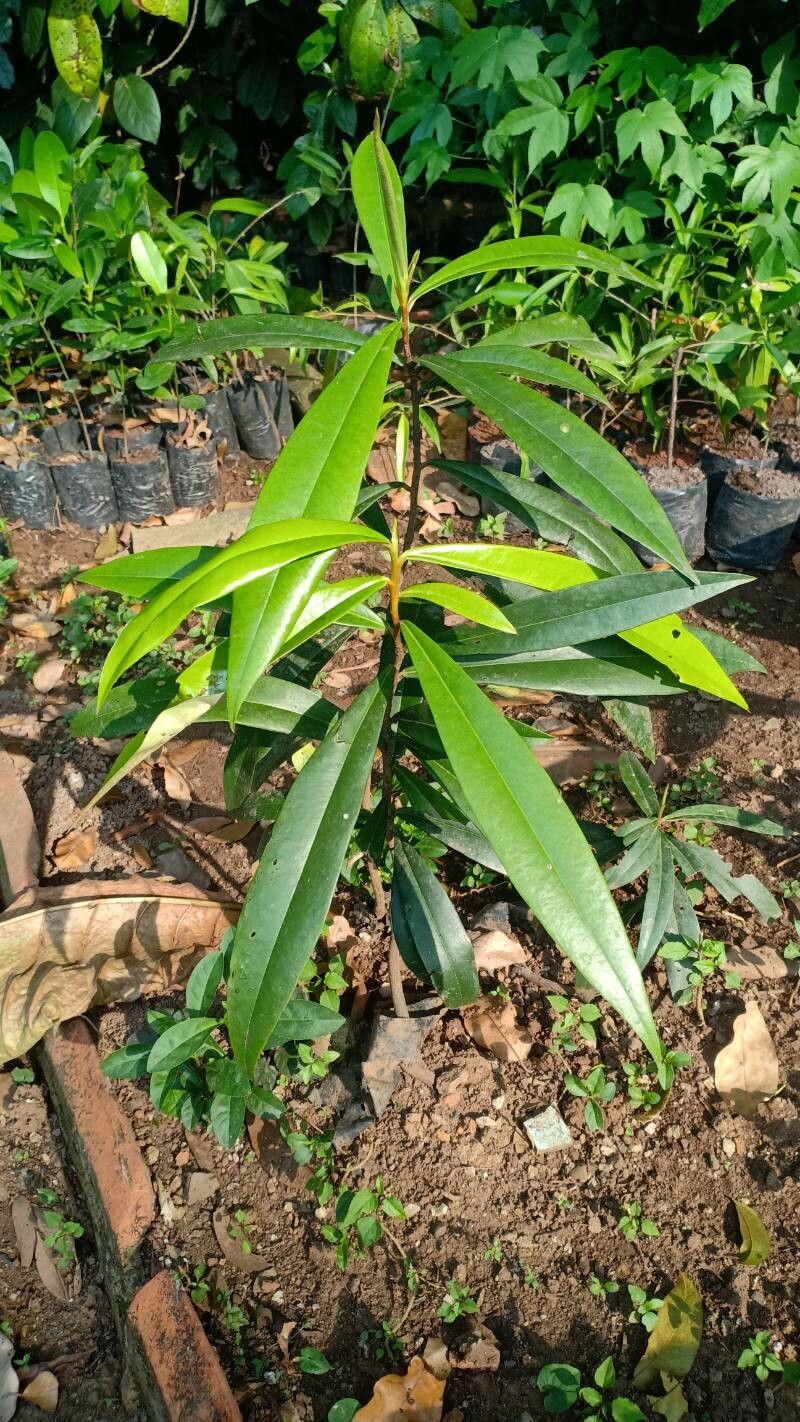
Oh, hello there! Come on in, pull up a chair. I’ve got a fresh pot of coffee brewing, and I’m just itching to talk about one of my absolute favorite trees: Diospyros celebica. You might know it better by its common name, Macassar ebony, or maybe as a source for that stunning, figured wood that’s just breathtaking. If you’re like me and appreciate a plant with a touch of the exotic, and a future lumber harvest that’s frankly a work of art, then growing your own Diospyros celebica is a truly rewarding endeavor. Now, I won’t lie to you; it’s not exactly a beginner’s weekend project, but with a little patience and the right approach, it’s absolutely achievable.
The Best Time to Start
When it comes to coaxing new life from our beloved Diospyros celebica, timing is everything. Generally, the later spring or early summer is your sweet spot. This is when the plant is actively growing, full of vigor, and most receptive to taking root. Look for semi-hardwood cuttings. These are shots that have started to lignify (toughen up) but are still flexible – imagine a pencil that bends rather than snaps. Avoid very soft, brand-new growth or wood that’s already completely woody and stiff.
Supplies You’ll Need
Before we get our hands dirty, let’s gather our arsenal. Think of these as your trusted gardening companions:
- Sharp Pruning Shears or a Grafting Knife: Clean, sharp tools are non-negotiable. They make clean cuts that heal better.
- Rooting Hormone: A good quality powder or gel will significantly boost your success rate. Look for one containing IBA (Indole-3-butyric acid).
- Well-Draining Potting Mix: I like a blend of equal parts perlite, coco coir, and a little sphagnum moss. This airy mix prevents waterlogging, which is crucial.
- Small Pots or Propagation Trays: Clean pots are a must to avoid disease. Small ones are better for cuttings, as they encourage root development.
- Plastic Bags or a Propagation Dome: This creates a humid environment, mimicking what cuttings love.
- Spray Bottle: For misting your cuttings.
- Labels and a Permanent Marker: Trust me, you won’t remember which cutting is which!
- Optional: Heat Mat: For that extra boost of warmth from below.
Propagation Methods
Now, let’s get down to business. The most reliable way I’ve found to propagate Diospyros celebica is through stem cuttings.
- Take Your Cuttings: First, select a healthy branch from your mature plant. Using your sharp shears, take cuttings that are about 6-8 inches long. Make your cut just below a leaf node (where a leaf attaches to the stem). Remove the leaves from the bottom half of the cutting. You can leave one or two sets of leaves at the top to help with photosynthesis.
- Prepare the Cuttings: Dip the cut end of the stem into rooting hormone. Gently tap off any excess, but make sure the entire cut surface is coated.
- Plant Your Cuttings: Fill your small pots with your prepared, damp potting mix. Make a hole in the center with your finger or a pencil. Insert the hormone-coated end of the cutting into the hole, ensuring the leaf nodes that will be below the soil line are covered. Gently firm the soil around the stem.
- Create a Humid Environment: Water the soil lightly. Then, cover the pot with a clear plastic bag, making sure the bag doesn’t touch the leaves too much, or use a propagation dome. Secure the bag loosely around the pot.
- Provide the Right Conditions: Place your pots in a bright location out of direct sunlight. A south-facing window that receives filtered light is ideal.
The “Secret Sauce” (Pro Tips)
Here are a few little tricks I’ve picked up over the years that really seem to make a difference:
- Don’t Overcrowd: Give each cutting its own space. This prevents the spread of any potential fungal issues and allows for better air circulation.
- Bottom Heat is Your Friend: If you have a heat mat, place your pots on it. Consistent warmth from below really encourages root development. Aim for around 75-80°F (24-27°C). You’ll be amazed at the difference it makes.
- The Single Leaf Trick: For cuttings with larger leaves, I sometimes cut larger leaves in half horizontally. This reduces water loss through transpiration while still allowing for some energy production.
Aftercare & Troubleshooting
Once your cuttings are planted, patience is key!
- Monitor Moisture: Keep the soil consistently moist but not soggy. Check the soil moisture by gently pressing your finger into it. If it feels dry about an inch down, give it a light watering.
- Aerate Regularly: About once a week, remove the plastic bag or open the dome for an hour or so. This allows for fresh air to circulate and helps prevent mold.
- Look for Roots! This is the exciting part. It can take anywhere from 4-12 weeks, or even longer, for Diospyros celebica cuttings to root. You’ll know they’re ready when you see new leaf growth and feel a gentle resistance when you try to tug on the cutting.
- Troubleshooting Rot: The most common problem you’ll encounter is rot. If you see your cutting wilting, turning black and mushy, or developing fuzzy mold, it’s likely rotting. This usually means too much moisture and not enough air circulation. Unfortunately, a rotted cutting is a goner, so remove it immediately. Sometimes, starting over with fresh material and ensuring better drainage and aeration can solve the problem.
A Little Encouragement
Growing anything new is a journey, a dance between you and nature. Don’t get discouraged if your first try isn’t a roaring success. Every cutting, every seedling, teaches you something new. Be patient, observe your plants, and most importantly, enjoy the process of creating new life. Happy gardening!
Resource:
https://identify.plantnet.org/k-world-flora/species/Diospyros%20celebica%20Bakh./data