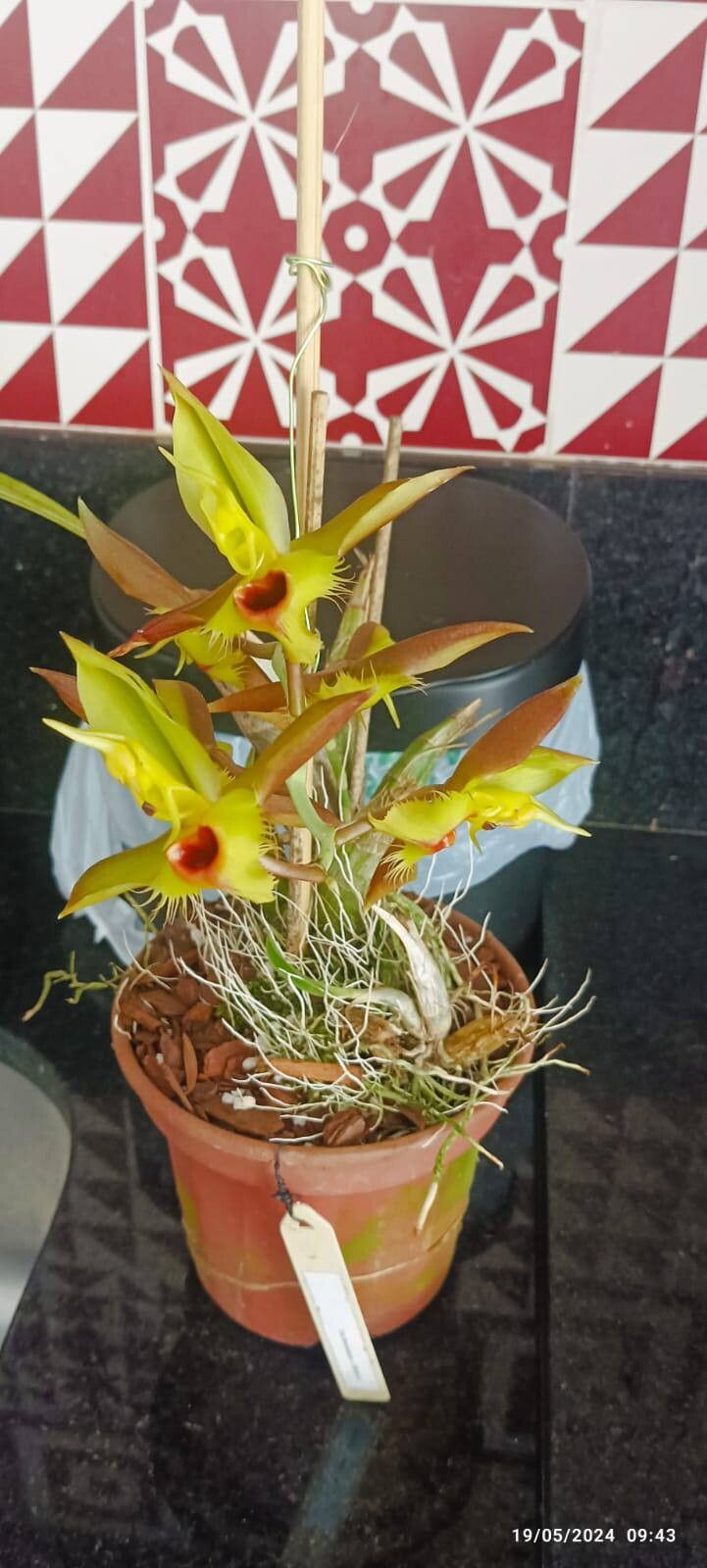
Well hello there, fellow plant enthusiasts! It’s so lovely to have you join me today. We’re diving into the wonderful world of orchid propagation, and our star for this episode is the captivating Catasetum osculatum.
Your Own Blooming Beauty: Why Propagate Catasetum osculatum?
There’s something incredibly satisfying about nurturing a new plant from a piece of an existing one. And Catasetum osculatum? Oh, she’s a stunner! With her unique, almost alien-like blooms that can change color depending on pollination, she’s a real conversation starter. Propagating her isn’t just about adding to your collection; it’s about extending the magic of this special orchid. Now, for the big question: is she easy for beginners? Honestly, Catasetum osculatum can be a little finicky, but with a bit of know-how and patience, you can absolutely succeed. Think of it as a rewarding challenge!
When to Get Your Hands Dirty: The Best Time to Start
The sweet spot for propagating Catasetum osculatum is typically during its active growing season. This usually means late spring through summer. You want to see signs of new growth – perhaps a developing pseudobulb or new leaf emerging. Avoid propagating when the plant is dormant or stressed; a healthy, vigorous plant will give you the best chance of success.
Your Propagation Toolkit: What You’ll Need
Gathering your tools before you begin makes the whole process so much smoother. Here’s what I always have on hand:
- Sharp, sterilized pruning shears or a clean knife: Essential for clean cuts, which means less chance of disease.
- Cinnamon or activated charcoal: A natural antifungal to dust on cuts.
- Potting medium: A well-draining orchid mix is crucial. I like a blend of bark, sphagnum moss, and perlite for good aeration and moisture retention without becoming waterlogged.
- Small pots or containers: Clean, with good drainage holes.
- Rooting hormone (optional but helpful): A little boost can encourage quicker root development.
- Spray bottle: For misting.
- Clear plastic bags or a propagation dome: To create a humid microclimate.
- Labels and a waterproof marker: To keep track of your new babies!
Bringing New Life: Propagation Methods
Catasetum osculatum is most commonly propagated through division. This is when you separate a mature plant into smaller sections, each with its own roots and pseudobulbs.
Division Method:
- Prepare your plant: Wait until your Catasetum osculatum has finished flowering and is showing signs of new growth. Gently remove the orchid from its current pot. You might need to carefully unpot it or even break away some of the old potting material.
- Examine the root system: Gently tease away any old potting mix to get a clear view of the rhizome (the stem from which new growths emerge) and roots.
- Identify division points: Look for natural breaks where you can separate healthy pseudobulbs, ensuring each section has at least two healthy pseudobulbs and some viable roots. You might see where new growths have emerged from older ones.
- Make the cut: Using your sterilized pruning shears or knife, make a clean cut through the rhizome to separate the divisions. Aim for a single, clean cut. Avoid tearing or smashing the rhizome.
- Treat the wounds: Immediately dust all cut surfaces with cinnamon or activated charcoal. This helps prevent fungal infections.
- Potting up: Plant each division in its own small pot filled with your chosen orchid mix. Bury the pseudobulbs just enough so they are stable, leaving the top of the pseudobulb and any new growth exposed.
- Initial watering: I recommend waiting a day or two before watering. This allows any tiny nicks on the roots to callus over. After the wait, water thoroughly, letting the excess drain away.
My “Secret Sauce”: Insider Tips for Success
Here are a few things I’ve learned over the years that really make a difference:
- Don’t overwater the divisions initially. These new pieces don’t have a fully developed root system yet and are prone to rot. Keep the potting mix slightly moist, but never soggy. Misting the foliage occasionally is often enough.
- Provide high humidity and warmth. This is where that plastic bag or propagation dome comes in handy. It creates a steamy environment that encourages root development. Aim for a consistent temperature of around 75-80°F (24-27°C). Bottom heat from a seedling mat can be a fantastic accelerator here!
- Be patient with new roots. It can take several weeks, or even a few months, for new roots to establish. You’ll usually see new leaf growth before you see significant root development, so don’t be discouraged if it seems slow.
Aftercare and What Ifs: Nurturing Your New Plant
Once your divisions have begun to show signs of new root growth (you might see them peeking out the drainage holes or emerging from the potting mix), you can begin to care for them as you would a mature plant, but with a touch more gentleness.
- Watering: Water when the potting mix is almost dry. Don’t let it sit in water.
- Light: Provide bright, indirect light, similar to what a mature Catasetum osculatum prefers.
- Fertilizing: Once you see consistent new growth, you can start feeding with a diluted orchid fertilizer (about half strength) every few weeks.
Troubleshooting:
The most common setback is rot. If you notice a pseudobulb becoming soft, mushy, or black, it’s likely rot. This is usually caused by too much moisture or poor air circulation. Sadly, if rot sets in deeply, the division is usually lost. Prevention is key! Ensuring excellent drainage and avoiding overwatering are your best defenses. Yellowing leaves on older pseudobulbs are normal as the plant redirects energy to new growth, but if all the leaves are yellowing rapidly and the pseudobulbs are shriveling, it could indicate a problem with root health or watering.
Go Forth and Grow!
Propagating Catasetum osculatum is a journey, not a race. There will be moments of anticipation, and sometimes, a little bit of uncertainty. But the reward of seeing a new, healthy orchid emerge from your efforts is truly incomparable. So, take a deep breath, embrace the process, and enjoy the delight of growing your own extraordinary blooms. Happy growing!
Resource: