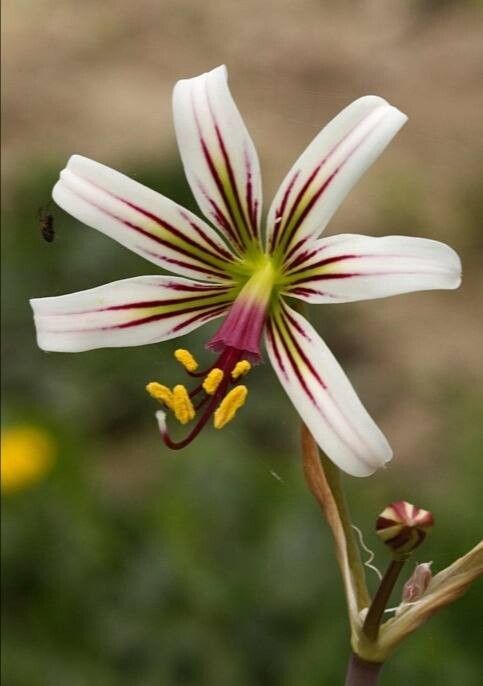
Hello there, fellow garden enthusiasts! If you’re looking for a splash of vibrant color and a touch of the unexpected in your floral arrangements, then you’ve stumbled upon a real gem. Today, we’re diving into the wonderful world of Phycella arzae, a truly captivating bloom. I’ve been growing and tinkering with plants for two decades now, and I can tell you, successfully propagating these beauties is a wonderfully rewarding endeavor. For the absolute beginner, it might present a slight challenge, but with a little guidance and plenty of patience, you’ll be well on your way to doubling, tripling, or even more of these lovely plants!
The Best Time to Start
For Phycella arzae, the absolute sweet spot for propagation is late spring or early summer, right after the main blooming period has finished. You’ll want to catch them when they’re actively growing but before things get too hot and dry. This gives your new little propagations plenty of time to establish a good root system before the chill of autumn sets in.
Supplies You’ll Need
Gathering your tools beforehand makes the whole process smoother. Here’s what I always have on hand:
- Sharp Pruning Shears or a Clean Knife: For making clean cuts. Remember, dull tools can tear and damage the plant.
- Well-Draining Potting Mix: A good blend for bulbs or succulents works wonders. I often mix some perlite or coarse sand into my standard potting soil.
- Small Pots or Trays: With drainage holes, of course!
- Rooting Hormone (Optional but Recommended): This can give your cuttings a helpful boost.
- Watering Can with a Fine Rose: To gently water without disturbing tender new roots.
- Labels and a Marker: Trust me, you’ll thank yourself later!
- A Sandy Spot or Greenhouse Bench (for Division): If you’re going the division route, a slightly warmer, sheltered spot is ideal.
Propagation Methods
Phycella arzae is best propagated through division of its bulbs. While other methods might be explored by dedicated experimenters, this is the most reliable and straightforward way for most of us.
Method: Bulb Division
- Gently Excavate: In your chosen spring or early summer window, carefully dig up the parent plant. You want to be thorough enough to get the entire clump, but avoid damaging the bulbs themselves.
- Clean Off Excess Soil: Gently brush or rinse off most of the soil. You’re looking for the main bulb and any smaller offsets or bulblets attached to it.
- Identify and Separate Offsets: Look for those smaller bulbs that have naturally formed and are connected to the main bulb. With clean hands or a clean knife, carefully separate these offsets from the parent bulb. Try to keep at least a small piece of the parent bulb’s base attached to each offset if possible, though strong offsets can often survive on their own.
- Allow to Dry (Optional but Helpful): For a day or two, let the separated offsets sit in a dry, shaded spot. This helps any cut surfaces to callus over, reducing the risk of rot.
- Pot Up: Plant your offsets in well-draining potting mix. They don’t need to go too deep; burying them about an inch or so is usually sufficient. Make sure the pointy end is facing up!
- Water Sparingly: Give them a gentle watering. You want the soil to be moist, not soggy.
The “Secret Sauce” (Pro Tips)
Here are a few things I’ve learned over the years that can make a real difference:
- Don’t Overcrowd Your Pots: Give those new little bulbs space to grow. Overcrowding leads to competition for resources and can invite fungal issues.
- Bottom Heat for Cuttings (If You Were Experimenting): While we’re focusing on division, if you ever tried taking a stem cutting of a Phycella (which is less common), bottom heat from a heating mat can significantly speed up root formation.
- Think “Dry” During Dormancy: Phycellas often go dormant during the hottest, driest part of summer. When their leaves die back, resist the urge to water them excessively. They need that dry rest period to prepare for their next growth cycle.
Aftercare & Troubleshooting
Once your offsets are potted, place them in a bright spot, but avoid direct, scorching midday sun. Water them when the top inch of soil feels dry. You’re looking for signs of new leaf growth, which usually indicates that roots have formed.
The biggest nemesis for bulb propagation is rot. If you see your offsets turning mushy, black, or wrinkly and dying off, it’s almost always a sign of overwatering. Ensure your soil is draining well, and err on the side of underwatering rather than overwatering. If you catch rot early, you might be able to cut away the affected parts and let the remaining healthy tissue callus over.
A Little Encouragement
Growing life from what you already have is truly one of gardening’s greatest joys. Be patient with your Phycella arzae! It might take a little time for them to show you they’re happy and settled. Observe them, learn from them, and most importantly, enjoy the beautiful process of creating new life in your garden. Happy growing!
Resource:
https://identify.plantnet.org/k-world-flora/species/Phycella%20arzae%20(Phil.)%20Nic.García/data