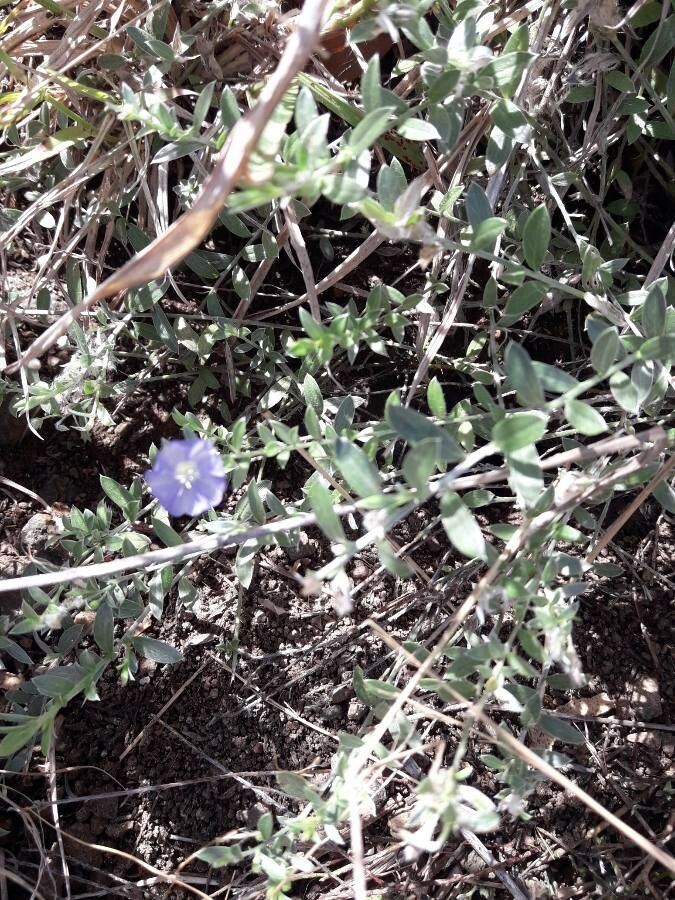
Oh, hello there, fellow plant lover! Come on in, grab a mug. Today, we’re diving into the wonderful world of Evolvulus helianthemifolius, also known as the little blue star. If you’ve ever had the pleasure of seeing this charming plant spill over a pot with its delicate, sky-blue flowers, you’ll know exactly why I’m so excited about it. It truly is a little ray of sunshine, and the best part? You can easily bring that sunshine into more corners of your garden by propagating it yourself!
Now, for the beginners out there, I’d say Evolvulus helianthemifolius is moderately easy to propagate. It’s not quite a “stick it anywhere and it grows” situation, but with a little attention and care, you’ll find yourself with plenty of new plants to share.
The Best Time to Start
My favorite time to get my hands dirty with propagating Evolvulus helianthemifolius is during the late spring and early summer. This is when the plant is in a strong growth phase, and those new, supple stems have the best energy to put into forming roots. Aim for when the plant is actively producing new growth, rather than when it’s just finished flowering.
Supplies You’ll Need
Here’s what I always have on hand when I’m ready to propagate:
- Sharp pruning shears or a clean knife: For taking clean cuts.
- Rooting hormone (optional, but helpful): A little boost can speed things up.
- A well-draining potting mix: I like to use a blend of equal parts peat moss or coco coir, perlite, and coarse sand.
- Small pots or seedling trays: Clean ones are a must!
- A spray bottle: For misting.
- Plastic bags or a clear plastic dome: To create a humid environment.
- Labels: So you remember what’s what!
Propagation Methods
While you can try to grow these from seed, I find stem cuttings to be the most reliable and rewarding method for Evolvulus helianthemifolius.
Stem Cuttings
- Select your stems: Look for healthy, vigorous stems that are not flowering. You want stems that are semi-hardwood – they should be firm but still have a little give, not woody and brittle, and not completely soft and green.
- Take the cuttings: Using your clean shears, cut lengths of stem about 3-4 inches long. Make the cut just below a leaf node (where a leaf attaches to the stem).
- Prepare the cuttings: Gently remove the lower leaves from the cutting, leaving just a few at the top. If the remaining leaves are very large, I like to cut them in half to reduce water loss.
- Dip in rooting hormone (optional): If you’re using rooting hormone, lightly dip the cut end of each stem into the powder, tapping off any excess.
- Plant your cuttings: Fill your pots or trays with your prepared potting mix. Make a small hole in the center of each pot with a pencil or your finger. Insert the cut end of the stem into the hole, making sure the leaf nodes are below the surface of the soil. Gently firm the soil around the stem.
- Create humidity: Water the soil gently until it’s moist but not soggy. Then, place the pots inside a clear plastic bag, zipping it up or using a rubber band, or cover them with a clear plastic dome. This traps moisture and keeps the cuttings from drying out.
- Provide light: Place the pots in a bright spot that receives indirect sunlight. Direct sun will scorch them while they’re trying to root.
The “Secret Sauce” (Pro Tips)
Here are a few tricks I’ve picked up over the years that really help:
- Bottom heat is your friend: If you have a seedling heat mat, placing your pots on it can significantly speed up root development. It mimics the warmth of the soil in summer and gives those roots a real kick-start.
- Don’t overwater: This is crucial! Soggy soil is the quickest way to invite rot. The humidity from the plastic cover will keep the leaves hydrated; the soil just needs to be consistently moist, not waterlogged. I often check the moisture by gently pressing the soil surface.
- Patience, young grasshopper: Rooting can take anywhere from 3-6 weeks, sometimes longer. Resist the urge to pull them up to check for roots too often. You’ll know they’re rooting when you see new growth emerging, or when you give a very gentle tug and feel resistance.
Aftercare & Troubleshooting
Once you’ve spotted new growth, that’s a good sign roots are forming! Gradually introduce your new plants to less humidity by opening the plastic bag a little more each day for a week. Eventually, you can remove it entirely. Continue to water as needed, letting the top inch of soil dry out between waterings.
What if things go wrong? The most common culprit is rot. If your cutting turns mushy, black, or just falls over limp, it’s likely rotted. This is usually due to overwatering or poor drainage. If you see this, unfortunately, that cutting is a goner. Don’t get discouraged; just try again, focusing on keeping the soil on the drier side of moist and ensuring good air circulation.
A Encouraging Closing
See? Not too daunting, is it? Propagating Evolvulus helianthemifolius is a wonderfully satisfying process. It’s a chance to connect with your plants on a deeper level and multiply the joy they bring to your garden. Be patient, observe your cuttings, and trust the process. Happy propagating!
Resource: