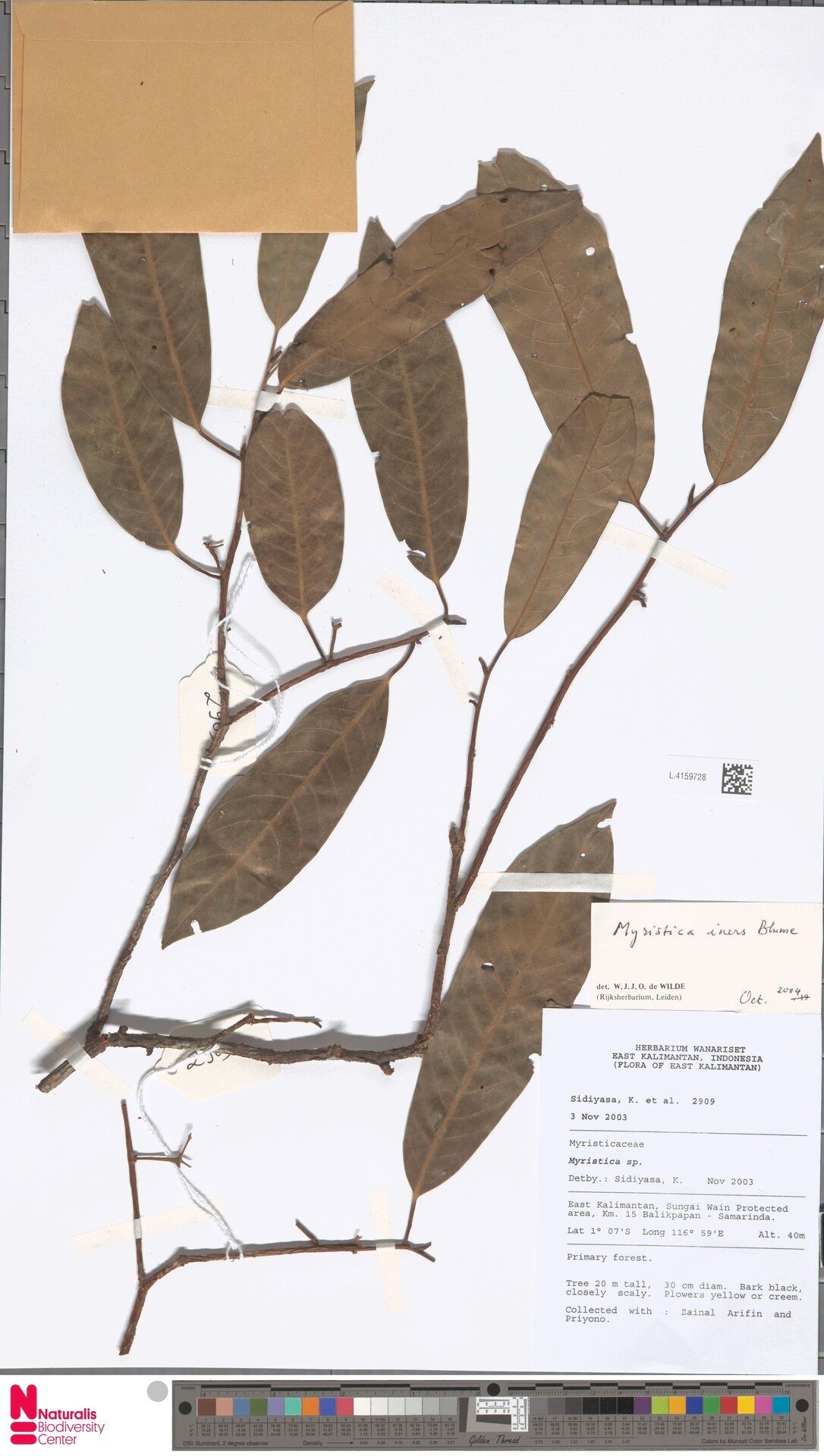
Hello there, fellow plant enthusiasts! I’m so happy you’re looking to get your hands dirty with Myristica iners. This gorgeous plant, with its deep green, glossy leaves and often its subtle, intriguing fragrance, is a real treasure. There’s something incredibly satisfying about coaxing a new life from a cutting or a seed. It’s a process that connects us deeply to the natural world, and honestly, it’s incredibly rewarding to see your efforts blossom into a brand new plant.
Now, about Myristica iners and propagation for beginners. I wouldn’t say it’s the easiest plant out there for a complete novice, but with a little patience and these tips, you’ll be well on your way. It’s more about understanding its needs than any arcane secret.
The Best Time to Start
For the very best success rates with Myristica iners, I always recommend starting in late spring or early summer. This is when the plant is in its most vigorous growth phase. New growth will have the energy needed to root, and the warmer temperatures help speed things along. Avoid propagating during the plant’s dormant period in winter; you’ll likely have much less luck.
Supplies You’ll Need
Gathering your tools beforehand makes the whole process smoother. Here’s what I usually have on hand:
- Clean pruning shears or a sharp knife. Sterilize them with rubbing alcohol before and after.
- A well-draining potting mix. I often use a blend of peat moss, perlite, and a little bit of compost. For Myristica iners, a mix that’s a bit on the lighter side works well.
- Small pots or propagation trays. Make sure they have drainage holes!
- A rooting hormone (optional, but can give you a good boost). I prefer the powder kind.
- A mist bottle filled with water.
- Clear plastic bags or a propagation dome. This helps maintain humidity.
- A clean water source for water propagation.
Propagation Methods
Myristica iners can be propagated in a couple of ways, but stem cuttings are my go-to for consistency.
Stem Cuttings
- Select a healthy stem: Look for a new, semi-hardwood stem that has started to firm up but isn’t woody. It should have at least 2-3 sets of leaves.
- Make the cut: Using your sterilized shears or knife, make a clean cut just below a leaf node (where a leaf attaches to the stem). You want a cutting that’s about 4-6 inches long.
- Prepare the cutting: Gently remove the lower leaves, leaving only 1-2 at the very top. This prevents them from rotting in the soil or water.
- Apply rooting hormone (optional): If you’re using rooting hormone, dip the cut end into the powder, tapping off any excess.
- Plant the cutting: Fill your small pot with your prepared potting mix. Make a small hole with your finger or a pencil and gently insert the cut end of the stem. Firm the soil gently around it.
- Water gently: Water the soil thoroughly until water drains from the bottom.
- Create a humid environment: Place the pot inside a plastic bag, sealing it loosely, or cover it with a propagation dome. You want to trap humidity around the leaves.
Water Propagation
This method is a bit simpler and visually satisfying.
- Prepare the cutting: Follow steps 1-3 above for selecting and preparing your stem cutting.
- Place in water: Fill a clean jar or glass with fresh water. Submerge the cut end of the stem, ensuring that no leaves are touching the water.
- Find a good spot: Place the container in a bright location, but out of direct sunlight.
- Change the water: Change the water every few days to keep it fresh and prevent bacterial growth.
The “Secret Sauce” (Pro Tips)
There are a few little tricks I’ve picked up over the years that really make a difference.
- Bottom heat is your friend: For stem cuttings, placing your pots on a heat mat designed for seedlings can significantly speed up root formation. It mimics the warmth of summer soil.
- Don’t let those leaves touch the water: When water propagating, this is crucial. Any submerged leaves will rot, and that rot can quickly spread to the stem and kill your cutting before roots even have a chance to form.
- Patience is key (seriously): Myristica iners can sometimes be a bit slow to root. Don’t be discouraged if you don’t see roots for several weeks. Keep the humidity up and the soil consistently moist (but not soggy).
Aftercare & Troubleshooting
Once you see new growth appearing on your cutting, congratulations! That’s usually a good sign that roots have formed.
- For cuttings in soil: You can gradually acclimate your new plant to normal conditions by opening the plastic bag or propagation dome for a few hours each day over a week. Once it seems robust, you can remove the cover entirely. Continue to water as needed, keeping the soil moist but not waterlogged.
- For cuttings in water: Once you have a good root system (at least an inch or two long), you can transplant your cutting into a pot with your usual potting mix. Water thoroughly and then follow the soil care instructions above.
Now, what if things go wrong? The most common issue is rot. If your cutting turns black and gummy, or if there’s a foul smell, it’s likely rotted. This is usually due to too much moisture, poor air circulation, or not using sterile tools. If you catch it early, you might be able to salvage a healthy section by making a fresh cut and trying again. Another sign of distress is wilting leaves. This can be dehydration, but also sometimes a signal of root rot. Always check the soil moisture gently.
A Encouraging Closing
Propagating plants is a journey, and sometimes there are a few bumps along the way. Don’t get disheartened if your first attempts aren’t perfect. Each plant teaches us something new. Keep experimenting, keep observing, and most importantly, keep enjoying the wonderful process of bringing new life into your home. Happy growing!
Resource:
https://identify.plantnet.org/k-world-flora/species/Myristica%20iners%20Blume/data