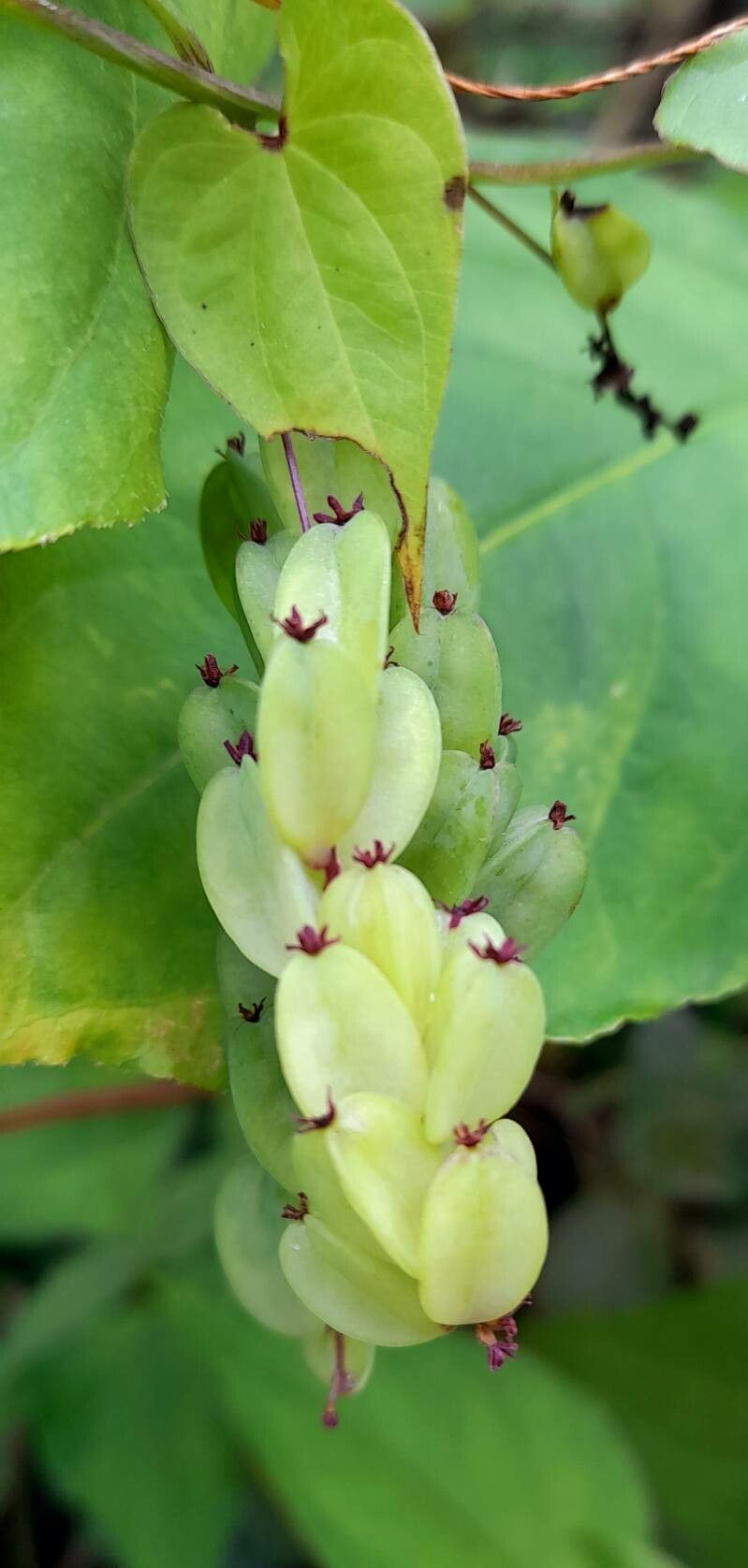
Bringing More of That Gorgeous Dioscorea Megalantha into Your Life!
Oh, Dioscorea megalantha! Isn’t she a stunner? With those dramatic, arrowhead-shaped leaves and that wonderful vining habit, it’s no wonder you’re smitten. I certainly am! There’s something profoundly satisfying about taking a piece of this beauty and coaxing it to grow into a brand new plant. It’s like bottling sunshine and creating more of what you love for your home or garden. If you’re wondering if it’s a good one to try for the first time, I’d say Dioscorea megalantha is moderately beginner-friendly. It’s not as fuss-free as a pothos, but with a little attention and love, you’ll absolutely have success.
When to Get Your Hands Dirty
The absolute best time to start propagating Dioscorea megalantha is during its active growing season. For most of us, this means late spring through summer. You want to start with healthy, vigorous growth. Think about it: the plant is already full of energy and ready to make more of itself. Trying to propagate when the plant is dormant or stressed is just asking for disappointment. Look for those plump, new shoots – they’re usually packed with potential.
Your Propagation Toolkit
Gathering your supplies beforehand makes the whole process flow so much smoother. Here’s what I usually have on hand:
- Sharp Pruning Shears or a Craft Knife: Clean cuts are crucial for healing and preventing disease.
- A Good Potting Mix: I prefer a well-draining houseplant mix, often amended with perlite or orchid bark for extra aeration. Dioscorea hates soggy feet!
- Rooting Hormone (Optional but Recommended): This can give your cuttings a helpful boost, especially for trickier species. I use a powder or gel.
- Small Pots or Seedling Trays: Something to put your new cuttings in.
- Clear Plastic Bag or Dome: To create a humid environment for your cuttings.
- Water: For hydration!
- Labels: To keep track of what you’ve propagated and when.
Bringing New Life: The Methods
There are a few ways to go about this. I’ve found success with stem cuttings, which I think is the most reliable for this particular vine.
Stem Cuttings Approach:
- Select Your Cuttings: Look for a healthy stem with at least two to three nodes (the little bumps where leaves emerge). A node is where roots will form. Aim to take cuttings that are about 4-6 inches long.
- Make the Cut: Using your sharp shears, make a clean cut just below a node. This helps the stem seal and promotes rooting from that point.
- Prepare the Cutting: Gently remove the lower leaves, leaving just one or two at the very top. This prevents them from rotting in the soil or water.
- Apply Rooting Hormone (Optional): If you’re using it, dip the cut end into the rooting hormone, tapping off any excess.
- Planting Time: Fill your small pots with your prepared, moistened potting mix. Make a little hole with your finger or a pencil, and insert the cut end of the stem, ensuring at least one node is buried in the soil. Gently firm the soil around the cutting.
- Create a Humid Environment: Water the soil lightly. Then, cover the pot with a clear plastic bag, a plastic dome, or place it inside a larger propagator. Make sure the plastic doesn’t touch the leaves too much. This creates a mini-greenhouse, keeping the humidity high, which is vital for cuttings to root.
A Quick Note on Water Propagation: While Dioscorea megalantha can root in water, I find it’s often more prone to rot and the resulting root system isn’t always as robust for transplanting. If you do try water, ensure no leaves are submerged!
The “Secret Sauce” from My Garden
Here are a couple of things I’ve learned over the years that really make a difference:
- Bottom Heat is Your Friend! If you have the space, placing your pots on a seedling heat mat can work wonders. It encourages those roots to start developing much faster. It’s like giving them a cozy warm bed to nestle into.
- Don’t Rush Them: Patience is truly a virtue in propagation. Some cuttings can take weeks, or even a couple of months, to show significant root development. Resist the urge to constantly pull them up to check! You’ll only disturb any emerging roots. Trust the process and keep the conditions consistent.
Aftercare and When Things Go Awry
Once you see new growth emerging from your cutting (a tiny leaf, a sturdy shoot), it’s a good sign roots are forming! You can gently tug on the cutting. If you feel resistance, it has rooted!
- Gradual Acclimation: If you used a plastic cover, start gradually introducing your new plant to normal humidity by opening the cover a little more each day for about a week.
- Watering: Water when the top inch of soil feels dry to the touch. Don’t let it dry out completely, but also avoid waterlogged conditions.
- Light: Place your new plant in bright, indirect light. No direct sun for these little ones just yet!
The most common issue you might encounter is rot. If your cutting turns mushy, black, or smells off, it’s likely rotted. This usually happens from too much moisture, poor drainage, or poor air circulation. If you see this, sadly, it’s time to discard it and try again. It’s a bummer, but don’t let it get you down!
Keep Growing!
Propagating Dioscorea megalantha is such a rewarding part of the gardening journey. It allows you to expand your collection, share with friends (who will undoubtedly be jealous of your lush new vines!), and simply deepen your connection with these beautiful plants. Be patient, enjoy the process, and celebrate every little bit of progress. You’ve got this!
Resource:
https://identify.plantnet.org/k-world-flora/species/Dioscorea%20megalantha%20Griseb./data