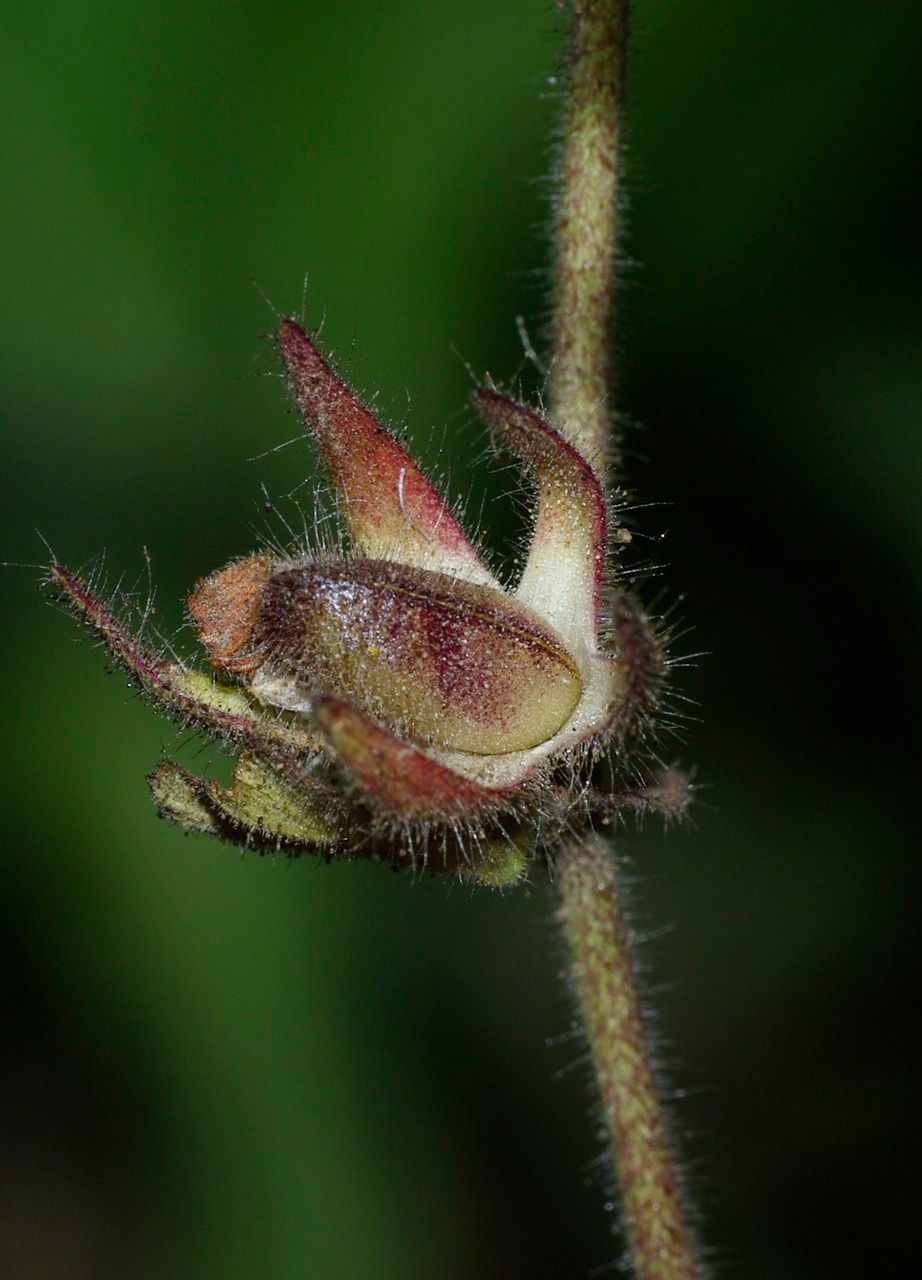
Oh, hello there! Pull up a chair, grab a cup of your favorite brew. I’m so glad you’re interested in propagating Ononis alba. It’s a truly delightful little plant, with its delicate white blooms and airy habit. Seeing new life sprout from something you’ve nurtured yourself is one of the most satisfying parts of gardening, don’t you think? And Ononis alba, while not as straightforward as, say, a zinnia from seed, is absolutely achievable, even for those of you just dipping your toes into the world of propagation.
The Best Time to Start
For Ononis alba, my favorite time to get my hands dirty is late spring to early summer. This is when the plant is actively growing, and the stems are young and flexible enough for cuttings. You want those soft, new shoots that are just beginning to firm up, but haven’t turned woody. This energetic phase means they’re primed to put out roots.
Supplies You’ll Need
Here’s what I usually have on hand:
- Sharp, clean pruning shears or a sharp knife: For making neat cuts.
- Rooting hormone powder or gel: This isn’t strictly essential, but it can give your cuttings a helpful boost.
- A well-draining potting mix: I like a blend of about equal parts peat moss or coco coir and perlite. Some fine horticultural grit can also be beneficial.
- Small pots or a propagation tray: Clean ones are a must to prevent disease.
- A plastic bag or propagator lid: To keep humidity high around your cuttings.
- Labels and a marker: To keep track of what you’ve planted!
Propagation Methods
While you could try water propagation, I find stem cuttings to be the most reliable method for Ononis alba.
- Take Your Cuttings: Head out in the late spring or early summer. Look for healthy stems that are about 3-4 inches long. Carefully cut just below a leaf node (that little bump where a leaf meets the stem). Use your clean shears for a slice, not a tear.
- Prepare the Cuttings: Gently remove the lower leaves, leaving just a couple at the very top. If your cuttings are long, you can even pinch off the very tip of the stem to encourage branching later on.
- Dip in Rooting Hormone (Optional but Recommended): If you’re using rooting hormone, dip the cut end into the powder or gel. Tap off any excess.
- Plant Your Cuttings: Make a small hole in your prepared potting mix with a pencil or your finger. Insert the cut end of the stem into the hole and gently firm the soil around it. Don’t pack it too tightly!
- Water Gently: Water thoroughly but gently, so you don’t dislodge your precious cuttings.
The “Secret Sauce” (Pro Tips)
A few little tricks I’ve learned over the years that really seem to make a difference:
- Don’t be afraid to try multiple cuttings. Not every single one will make it, and that’s perfectly normal! The more you try, the better your chances of success.
- Use a propagator or cover your pots. This is crucial! Ononis alba cuttings need high humidity to prevent them from drying out before they can grow roots. A clear plastic bag secured with a rubber band, or a propagator lid, works wonders. Just be sure to open it for a few minutes each day to allow for air circulation and prevent mold.
- Bottom heat can be your friend. If you have access to a heat mat designed for seedlings, placing your propagation tray on it can really speed up root development. It mimics the warmth of the soil in its natural growing season.
Aftercare & Troubleshooting
Once your cuttings have been planted, the real waiting game begins. Keep the potting mix consistently moist but not waterlogged. You’ll get a feel for it. A good sign they’re happy is the absence of drooping.
You’ll know your cuttings have rooted when you see new growth appearing at the top or feel a slight resistance when you gently tug on a stem. This usually takes anywhere from 3 to 6 weeks, depending on the conditions.
The most common problem you might encounter is rot. If a cutting starts to look mushy and dark, it’s likely rotted. This usually happens due to:
- Too much moisture in the soil.
- Poor air circulation.
- Using unsterilized pots or soil.
If you spot rot, unfortunately, that cutting is usually a goner. Remove it immediately to prevent it from spreading.
A Encouraging Closing
So there you have it! Propagating Ononis alba is a journey. Be patient with yourself and your little cuttings. Enjoy the process of observing them, nurturing them, and celebrating every tiny sign of success. Happy propagating!
Resource:
https://identify.plantnet.org/k-world-flora/species/Ononis%20alba%20Poir./data