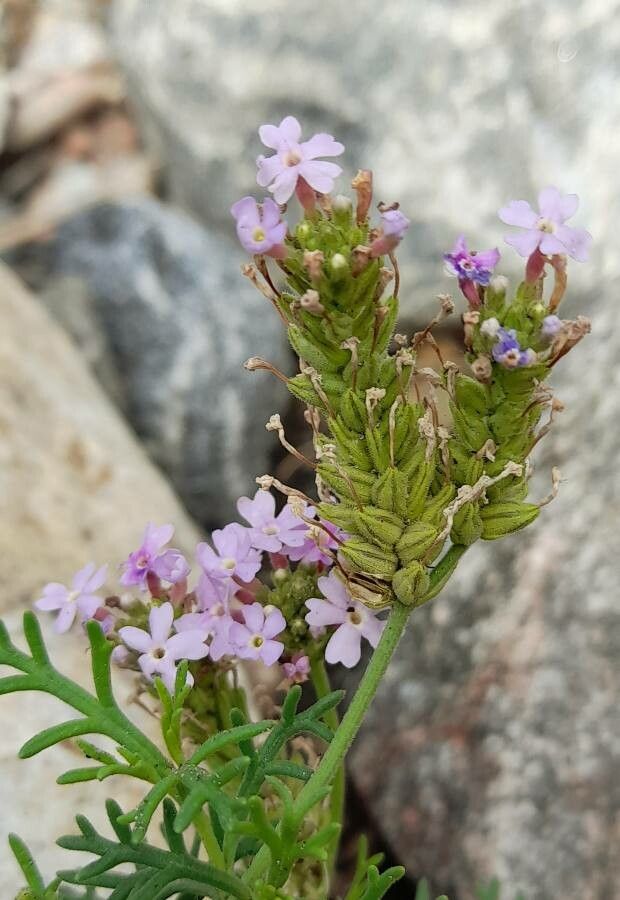
Hello, fellow plant lovers! I’m so excited to chat with you today about a plant that truly sings in the garden: Verbena aristigera. If you’re looking for a cascade of color, a magnet for butterflies, and a plant that just makes you happy to be outdoors, this is it. And the best part? Propagating it is not only achievable, but incredibly rewarding. I’ve been growing and sharing Verbena for years, and let me tell you, seeing a tiny cutting transform into a lush new plant is one of gardening’s simple joys. For beginners, I’d say Verbena aristigera falls into the “pleasantly achievable” category. With a little care and the right approach, you’ll be making baby Verbenas in no time!
The Best Time to Start
Timing is everything, isn’t it? For Verbena aristigera, the sweet spot for propagation is usually in late spring or early summer, as the plant is in its active growth phase. You want to take cuttings when the stems are still relatively flexible but have started to mature a bit. Think of it as taking a branch that’s strong but not woody. Starting too early in the spring might mean the plant hasn’t built up enough energy, and going too late into the fall can mean it won’t have enough time to establish before cooler weather hits.
Supplies You’ll Need
Gathering your tools beforehand makes the whole process so much smoother. Here’s what I always have on hand:
- Sharp pruning shears or a clean knife: For making clean cuts.
- Rooting hormone (optional but recommended): A little boost helps things along. I prefer the powder form, but liquid works too.
- Small pots or trays: Clean ones are key to preventing disease.
- Propagating mix or a blend of perlite and peat moss/coconut coir: A light, airy mix is crucial for good drainage and aeration. I often use a 50/50 perlite and peat mix.
- Watering can with a fine rose or spray bottle: For gentle watering.
- Plastic bags or a propagator lid: To create a humid environment.
Propagation Methods
Verbena aristigera is wonderfully adaptable, and I’ve found two main methods work like a charm.
Stem Cuttings
This is my go-to for Verbena. It’s straightforward and usually yields great results.
- Select your stems: Look for healthy, non-flowering stems that are about 4-6 inches long. Gently bend a stem; if it snaps cleanly rather than just bending, it’s probably a good length.
- Make the cut: Using your clean shears or knife, make a clean cut just below a leaf node. This is a point on the stem where leaves grow. This is where the magic of root development often happens.
- Prepare the cuttings: Gently remove the lower leaves from the stem, leaving just two or three at the very top. This prevents them from rotting in the soil. If your cuttings are long, you can even cut the remaining leaves in half to reduce water loss.
- Apply rooting hormone (optional): Dip the cut end into your rooting hormone powder, tapping off any excess.
- Pot them up: Fill your small pots with your propagating mix. Make a small hole with your finger or a pencil, and carefully insert the cutting. Gently firm the soil around it.
- Water gently: Lightly water the soil.
- Create humidity: Cover the pots with a plastic bag or propagator lid. You can prop the bag up with a few skewers so it doesn’t touch the leaves.
Water Propagation
This method is visually satisfying and can be a good option if you don’t have a propagating mix readily available.
- Prepare the cuttings: Follow steps 1-3 from the stem cutting method.
- Place in water: Put the prepared cuttings in a clean jar or glass of lukewarm water.
- Location, location, location: Place the jar in a bright spot, out of direct sunlight.
- Change the water regularly: This is key! I change the water every couple of days to keep it fresh and prevent bacterial growth.
- Watch for roots: You should start to see tiny white roots forming in a few weeks.
The “Secret Sauce” (Pro Tips)
Here are a few little tricks I’ve learned over the years that make a difference:
- The Humble Air Layer: Sometimes, especially with slightly older or woodier stems, you can try an air layer technique. This involves making a small nick in a stem while it’s still attached to the parent plant, wrapping it in damp sphagnum moss, and then covering that with plastic wrap. Roots will form within the moss, and you can then carefully cut the rooted section and pot it up. It takes patience, but it’s a fantastic way to propagate more mature material.
- Bottom Heat is Your Friend: If you’re using stem cuttings and want to speed things up, placing your pots on a heat mat designed for seedlings can be a game-changer. It encourages root development from below without drying out the cutting or overheating the leaves. Just make sure your heat mat isn’t too hot – a gentle warmth is what you’re after.
Aftercare & Troubleshooting
Once your cuttings have developed a good root system (you’ll see them in the drainage holes of the pot or they’ll feel more secure when gently tugged), it’s time for them to graduate.
- Acclimate them: Before you transplant them into larger pots or their final garden spot, gradually acclimate them to drier air. This means opening up the propagator lid or plastic bag a little each day over a week.
- Transplant carefully: Use a good quality potting mix for their new home. Water them in well.
- Watch for rot: The most common problem you’ll encounter is rot. This usually happens if the cuttings are too wet, the soil doesn’t drain well, or if the leaves are constantly touching water. If you see a cutting turning black or mushy, unfortunately, it’s probably a goner. Remove it promptly to prevent it from affecting others.
- Don’t overwater: It’s better to let Verbena dry out slightly between waterings than to keep the soil soggy.
A Encouraging Closing
So there you have it! Propagating Verbena aristigera is a wonderfully accessible gardening task. Remember to be patient with your little green babies. Some will take off quickly, while others might need a little more coaxing. Enjoy the process, celebrate each new root, and soon you’ll have an abundance of these delightful flowers to share with friends or fill every corner of your own garden. Happy propagating!
Resource:
https://identify.plantnet.org/k-world-flora/species/Verbena%20aristigera%20S.Moore/data