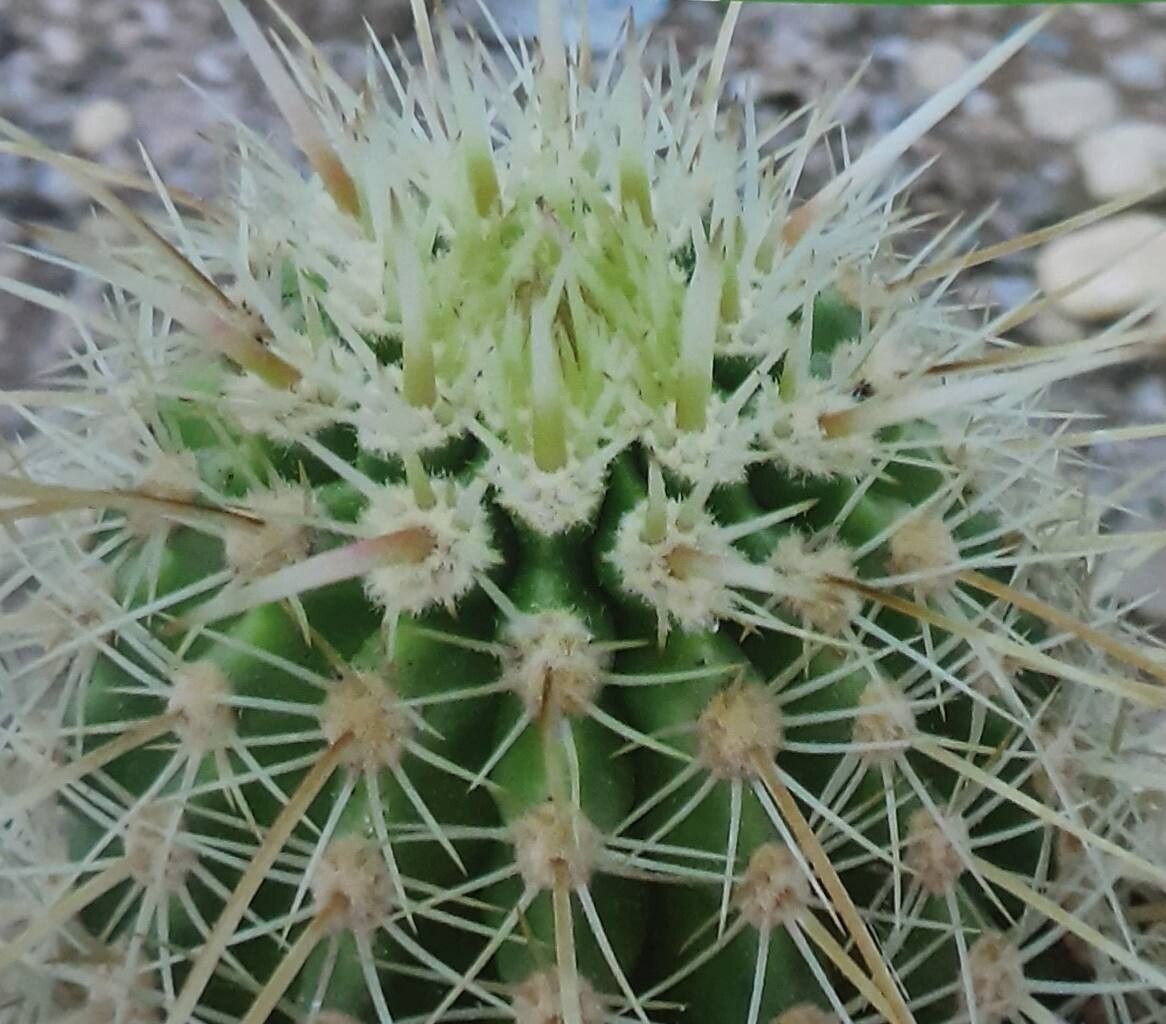
Hello fellow garden enthusiasts! Today, I’m thrilled to chat about a gem that brings a touch of the desert southwest right into our homes: Echinocereus ledingii. This beautiful cactus, with its vibrant pink flowers and handsome green stems, is a real showstopper. Propagating it is a wonderfully rewarding endeavor, and I find it to be a reasonably forgiving plant to work with, even for those just dipping their toes into the world of cactus cultivation. Let’s get our hands a little dirty!
The Best Time to Start
When it comes to Echinocereus ledingii, timing is key for the best results. The absolute sweet spot is during its active growing season, which generally falls in late spring through early summer. This is when the plant is full of energy, making it more receptive to rooting. Avoid propagating when the plant is stressed, like during a hot, dry spell or the cold of winter.
Supplies You’ll Need
Gathering your tools beforehand makes the whole process smoother. Here’s what I usually have on hand:
- Sharp, clean pruning shears or a sharp knife: Essential for making clean cuts.
- Rooting hormone (optional but recommended): A little boost can significantly improve success rates.
- Well-draining cactus or succulent potting mix: A sandy, gritty blend is perfect. You can even make your own by combining coarse sand, perlite, and a bit of potting soil.
- Small pots or seed trays: Terracotta pots are great as they breathe well.
- Gravel or perlite: For drainage at the bottom of pots and for top dressing.
- Watering can with a fine rose: For gentle watering.
- Gloves: Cactus spines can be a bother!
Propagation Methods
Let’s explore the most common ways to multiply your Echinocereus ledingii.
From Stem Cuttings
This is by far the most popular and successful method for this cactus.
- Select a healthy stem: Look for a mature, well-formed stem or offset that’s not too thin.
- Make the cut: Using your sharp, sterilized shears or knife, make a clean cut where the stem joins the main body of the plant.
- Let it callous: This is super important! Place the cutting in a warm, dry, and bright spot away from direct sun for about 7-10 days. You’ll see the cut end dry and form a protective callus. This prevents rot before you plant it.
- Apply rooting hormone (optional): Once calloused, dip the cut end into rooting hormone powder.
- Plant the cutting: Fill your small pot with your well-draining cactus mix. Make a small hole in the center and gently insert the calloused end of the cutting into the mix. You can use a bit of gravel around the base to help it stand upright.
- Initial Watering: Wait a few days after planting before the first watering. When you do water, do so sparingly, just enough to moisten the soil.
Water Propagation (for offsets)
Sometimes, smaller offsets can be encouraged to root in water, although this is less common for the main stem.
- Gently detach a small offset: If you have a small, detached offset, you can try this method.
- Remove any debris: Clean off any soil or debris from the base.
- Place in water: Submerge just the very base of the offset in a small dish or jar of water. Ensure no part of the stem is underwater, just the end where roots would emerge.
- Change water regularly: Change the water every few days to keep it fresh and prevent bacterial growth.
- Watch for roots: With patience, you’ll see tiny roots begin to form. Once they are about an inch long, carefully plant the offset into your cactus mix.
The “Secret Sauce” (Pro Tips)
After years of fiddling with cacti, I’ve picked up a few tricks that seem to make all the difference.
- Don’t be tempted to water too soon for cuttings: This is the most common mistake. You’ve got to let that callus form properly. If you plant a fresh-cut stem, it’s like inviting rot to a party. Patience here is rewarded tenfold.
- Bottom heat is your friend: If you’re propagating in a cooler environment, placing your pots on a gentle seedling heat mat can significantly speed up root development. Cacti love a little warmth from below.
- Sterilize, sterilize, sterilize: I can’t stress this enough. Unsterilized tools can introduce diseases that can quickly spell doom for your precious cuttings. A quick wipe with rubbing alcohol after each cut is a good habit.
Aftercare & Troubleshooting
Once your cuttings have taken root, they need a little TLC to flourish.
- Gentle watering: Continue to water sparingly. Allow the soil to dry out completely between waterings. Overwatering is the quickest way to kill a new cactus cutting.
- Bright, indirect light: Keep your new plants in a spot with bright, indirect sunlight. Direct sun can be too intense for vulnerable new growth.
- Signs of success: You’ll know your cutting has rooted when you notice new growth – a tiny bud, a slight plumpness, or a bit of upward reach. Gently tugging on it (very gently!) might also show resistance.
- Signs of trouble: The biggest enemy is rot. If you see a cutting become mushy, discolored (often black or brown and soft), or it easily falls apart, it’s likely rotted. This usually means it was planted before it called, or it was overwatered. Unfortunately, a rotted cutting is usually a lost cause.
Happy Growing!
Propagating Echinocereus ledingii is a journey of observation and a touch of patience. Don’t be discouraged if you lose a cutting or two – it happens to the best of us! Each attempt is a learning experience. Enjoy the process of nurturing these little desert beauties, and soon you’ll have even more stunning specimens to admire. Happy gardening!
Resource:
https://identify.plantnet.org/k-world-flora/species/Echinocereus%20ledingii%20Peebles/data