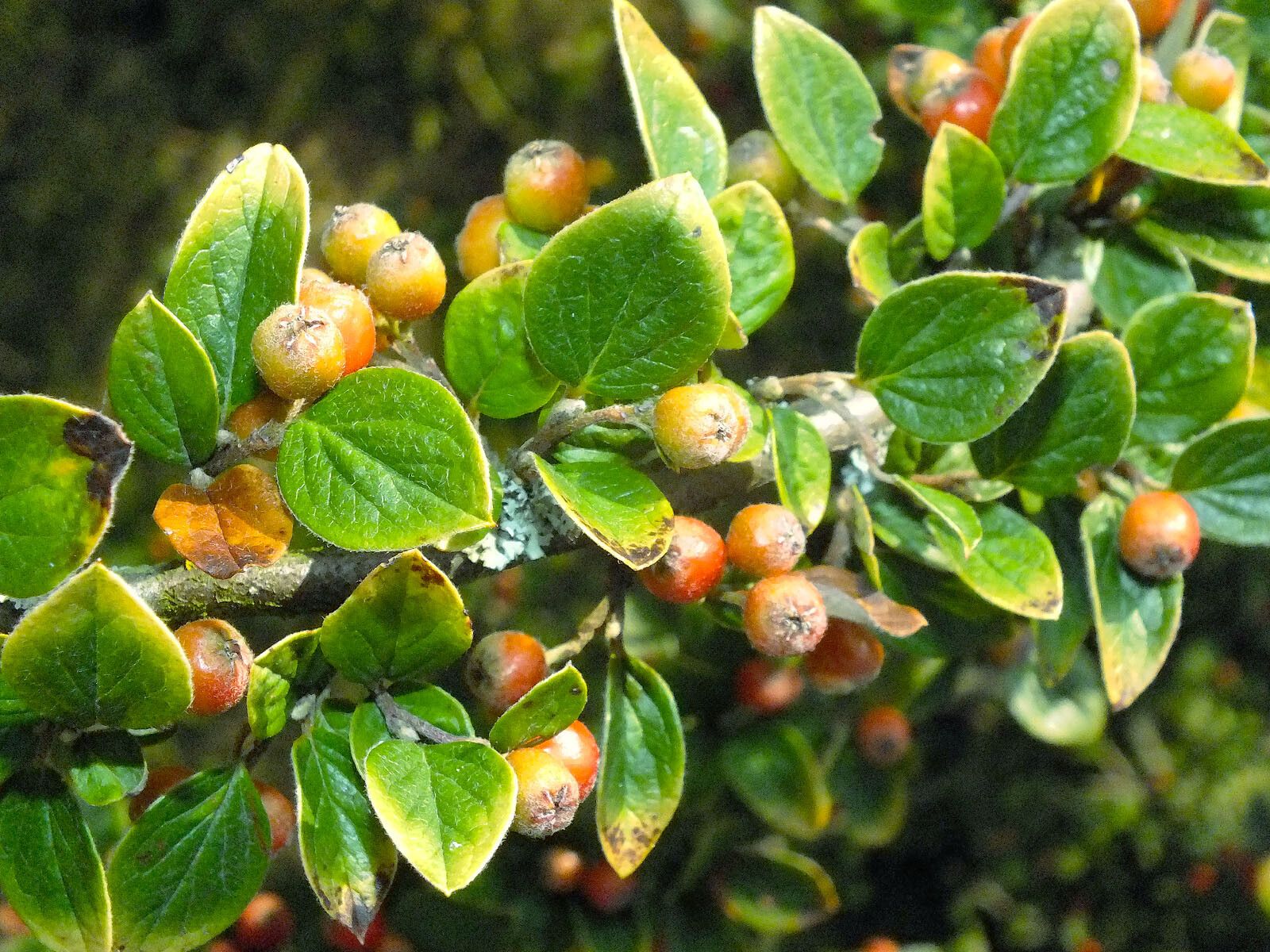
Well hello there, fellow garden enthusiast! It’s wonderful to connect with you today. I’m absolutely delighted to chat about Cotoneaster dielsianus, a plant that brings so much joy with its delicate branches, often adorned with vibrant berries that the birds simply adore. If you’re looking to expand your collection of these charming shrubs, or perhaps share a piece of your garden with a friend, propagating your own is incredibly rewarding.
Now, for beginners, I’d say Cotoneaster is quite forgiving! With a little patience and these tips, you’ll be well on your way to success.
The Best Time to Start
For the absolute highest success rate, softwood cuttings are your best friend. This means taking cuttings when the new growth is still pliable and green, typically in late spring to early summer (think May to July, depending on your climate). The plant is actively growing then, and these younger stems have the energy to root. You can also take semi-hardwood cuttings in late summer or early autumn, after the main flush of growth has matured a bit but before the wood hardens off completely.
Supplies You’ll Need
Here’s what you’ll want to have on hand:
- Sharp Pruning Shears or a Craft Knife: Clean cuts are key!
- Rooting Hormone: A powder or gel can give your cuttings a real boost.
- Small Pots or Seed Trays: With drainage holes, of course.
- Propagation Mix: A light, airy mix is ideal. I like to use a 50/50 blend of perlite and peat moss or coir. You can also find pre-made propagation mixes.
- Clear Plastic Bags or a Propagation Dome: To maintain humidity.
- Watering Can with a Fine Rose: Gentle watering is important.
- Labels and a Pen: To keep track of your cuttings!
Propagation Methods
Let’s get our hands dirty with a couple of reliable methods for Cotoneaster dielsianus.
Stem Cuttings (My Go-To!)
This is my favorite way to propagate most shrubs, and Cotoneaster is no exception.
- Take Your Cuttings: On a mild, overcast day (this helps prevent wilting), select healthy, non-flowering shoots. Look for stems that are about 4-6 inches long. Using your clean shears, make a cut just below a leaf node (where a leaf attaches to the stem). Remove any lower leaves, leaving just a few at the top.
- Prepare the Cuttings: Dip the cut end into your rooting hormone, tapping off any excess. This helps encourage root development.
- Pot Them Up: Fill your small pots or trays with your prepared propagation mix. Make a hole in the center of the mix with your finger or a pencil. Gently insert the cutting into the hole, ensuring the leaf nodes that were buried are now under the surface.
- Water Gently: Water thoroughly until the mix is evenly moist.
- Create a Humid Environment: Cover the pots with a clear plastic bag or a propagation dome, ensuring the leaves don’t touch the plastic. You can use stakes to keep the bag from collapsing. Place them in a warm spot with bright, indirect light. Avoid direct sun, which can scorch them.
Water Propagation (For a Peek at Roots!)
If you’re a visual person and love watching roots form, this is a fun alternative.
- Select and Prepare: Take cuttings the same way you would for stem cuttings, but you don’t need to dip them in rooting hormone for this method. Remove most of the lower leaves, leaving just 2-3 at the top.
- Place in Water: Put the cuttings in a glass or jar of clean water. Crucially, make sure no leaves are submerged in the water. They’ll rot if they are!
- Change Water Regularly: Change the water every few days to keep it fresh and prevent bacterial growth.
- Find a Bright Spot: Place the jar in a spot with bright, indirect light.
- Pot Up When Rooted: Once you see healthy roots forming, about an inch long, you can then pot them up into your propagation mix following the steps for stem cuttings.
The “Secret Sauce” (Pro Tips)
Here are a few tricks I’ve picked up over the years that often make a difference:
- Bottom Heat is Your Friend: If you have the space and the inclination, placing your pots on a heated propagation mat can significantly speed up rooting. It mimics the warmth of the soil in spring and encourages roots to form more quickly.
- Don’t Disturb Too Soon: Resist the urge to tug on your cuttings to see if they’ve rooted! You’ll want to wait until you see new leaf growth and they feel firm when gently pulled. This usually takes 4-6 weeks, sometimes longer.
- Mist Regularly (But Not Too Much): While you want humidity, avoid waterlogging the soil. A gentle misting of the leaves inside the bag every few days can be beneficial, but if you see condensation dripping heavily, it’s probably time to vent the bag a bit.
Aftercare & Troubleshooting
Once your cuttings have developed a good root system and are showing new growth, it’s time to transition them to slightly larger pots with a good-quality all-purpose potting mix. Gradually acclimatize them to outside conditions by opening the plastic bag or dome for longer periods over a week or so.
The most common sign of failure is wilting and browning of the stem, often starting from the tip. This can be due to a few things:
- Not enough humidity: The cutting dried out.
- Too much direct sun: It got scorched.
- Rot: The soil was too wet, or the water in the propagation jar wasn’t changed often enough. This usually presents as a soft, mushy stem base, often with a foul smell. If you see this, unfortunately, it’s best to discard the cutting to prevent it from spreading.
A Little Patience Goes a Long Way
Growing new plants from cuttings is a magical process, and seeing those first tiny roots emerge is incredibly satisfying. Don’t get discouraged if not every cutting takes – it happens to the best of us! Enjoy the journey, observe your little plantlets, and soon you’ll have more beautiful Cotoneaster to grace your garden. Happy propagating!
Resource:
https://identify.plantnet.org/k-world-flora/species/Cotoneaster%20dielsianus%20E.Pritz./data