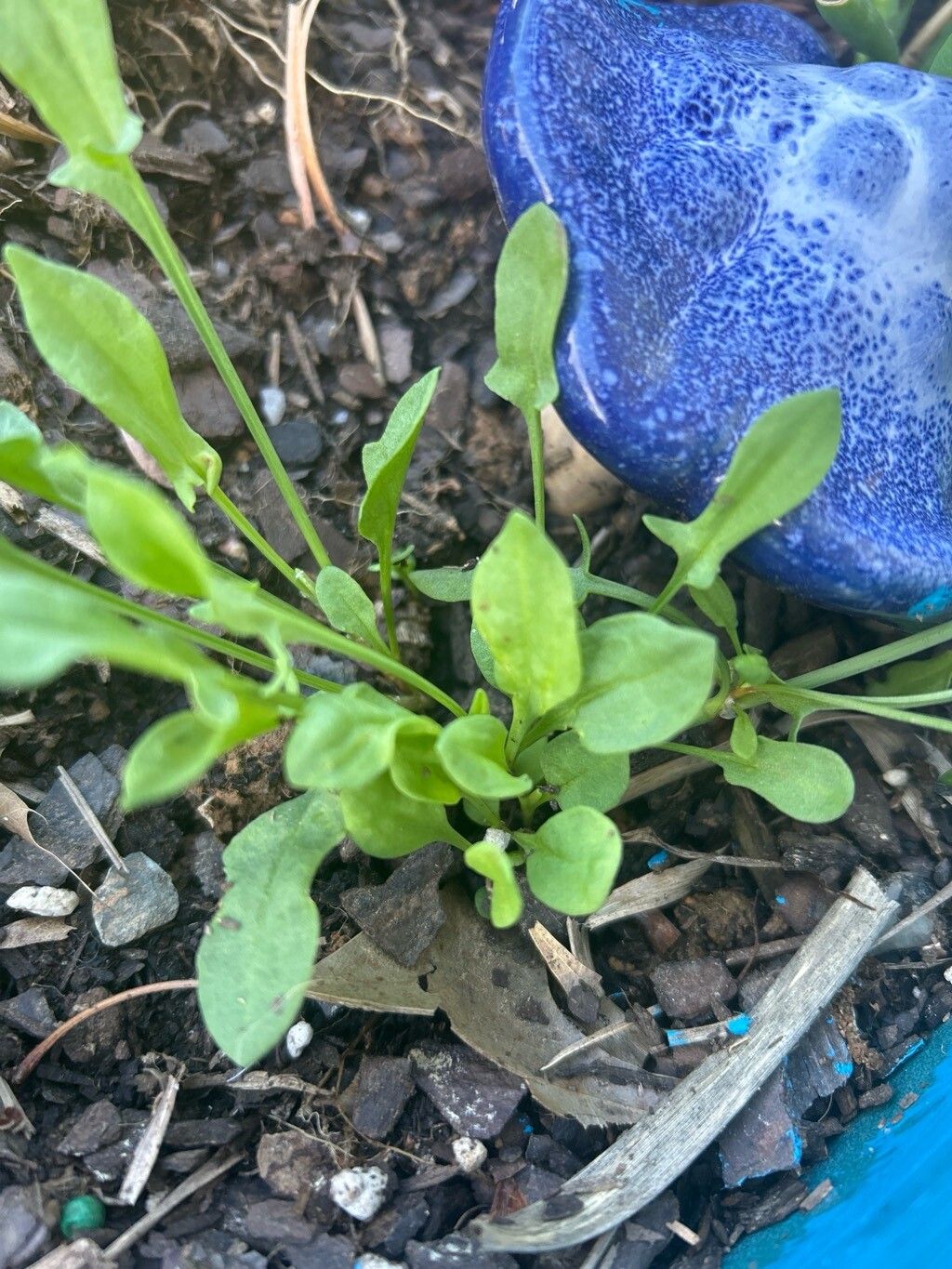
Oh, Rudbeckia grandiflora! Those glorious sunflowers of the late summer garden, aren’t they just a burst of pure joy? Their cheerful yellow faces always make me smile. And the best part? They’re a breeze to propagate, meaning you can easily fill your garden beds with more of their sunny disposition or share them with fellow garden lovers. For beginners, this is a fantastic plant to get your hands dirty with – a real confidence booster!
The Best Time to Start
Spring is our golden window for multiplying Rudbeckia grandiflora. Once the soil has warmed up and the threat of frost has completely passed, that’s your sign. Aim for late spring or early summer, when the plant is actively growing and has plenty of energy to put into producing new roots. You can also divide established clumps in early spring, just as they’re waking up from winter.
Supplies You’ll Need
Here are the essentials for getting your Rudbeckia-spreading adventure underway:
- Sharp pruning shears or a clean knife: For making clean cuts.
- Rooting hormone (optional but helpful): This encourages faster root development.
- A good quality seed-starting mix or a custom blend: I like a mix of equal parts peat moss, perlite, and a bit of compost. It needs to drain well!
- Small pots or trays: Clean ones, please!
- A watering can with a fine rose or a spray bottle: To water gently.
- Labels and a marker: So you remember what’s what!
- For division: A garden fork or trowel.
Propagation Methods
Rudbeckia grandiflora is quite obliging, and the easiest way to multiply it is through division.
Division:
- Dig Up: In early spring, when the plant is just starting to show new growth, carefully dig up the entire clump. A garden fork is your friend here, getting underneath the root ball to loosen it.
- Separate: Gently tease the roots apart with your hands or use a trowel or knife to divide the clump into smaller sections. Each section should have a good amount of roots and at least one or two healthy shoots. Don’t be afraid to be a little firm; these plants are tough!
- Replant: Immediately replant the divisions in their new spots or pot them up. Water them in well.
While division is the most foolproof, you can also try stem cuttings, though it’s a little less common for this particular plant.
Stem Cuttings (less common, but can work):
- Take Cuttings: In late spring or early summer, select healthy, non-flowering stems. Cut stems about 4-6 inches long, just below a leaf node.
- Prepare Cuttings: Remove the lower leaves, leaving just a few at the top. You can dip the cut end in rooting hormone at this stage, if you’re using it.
- Plant Cuttings: Insert the cuttings into your prepared potting mix, about an inch deep. You can place several in a pot.
- Water & Cover: Water gently. You can cover the pots with a plastic bag or a clear dome to maintain humidity.
- Wait: Place in a bright spot, out of direct sun, and keep the soil consistently moist. This method takes patience; roots can take several weeks to form.
The “Secret Sauce” (Pro Tips)
Here are a couple of things I’ve learned over the years that really make a difference:
- When dividing, don’t stress if a few roots break. Rudbeckias are resilient. Just make sure each new piece has some root structure to get started.
- For stem cuttings, try to avoid getting water directly on the leaves after planting. It can encourage rot. A light misting of the air around them is better.
- If you’re trying stem cuttings and have space, a little bottom heat from a heat mat can really speed up root formation. It mimics that nice, warm soil you get in spring.
Aftercare & Troubleshooting
Once your divisions or cuttings are planted, keep them consistently moist but not waterlogged. This is crucial. Think “damp sponge.”
Now, what if things go wrong? The most common issue is rot. If you see your cuttings wilting, turning mushy, or developing black spots, it’s usually a sign of too much moisture or not enough air circulation. In this case, try to let the soil dry out a bit more between waterings and ensure good ventilation. If you’re dividing, healthy looking growth is a good sign. If a division looks limp and unhappy after a week or two, it might not have had enough roots to sustain itself. Don’t despair – try again!
A Encouraging Closing
Gardening is all about patience and observation, and propagating Rudbeckia grandiflora is no different. Don’t get discouraged if your first attempt isn’t perfect. Enjoy the process of nurturing these new little plants. Soon, you’ll have a whole meadow of happy yellow faces, all thanks to your green thumb! Happy propagating!
Resource: