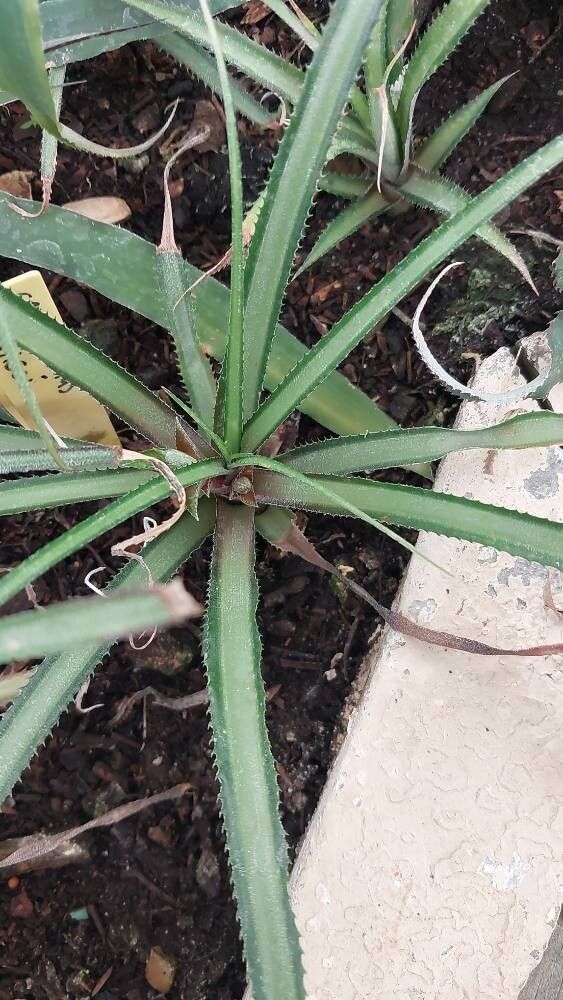
Hey there, fellow plant lovers! If you’re anything like me, you’ve probably fallen head over heels for the striking foliage of Cryptanthus – those earthy star-shaped beauties. And if you’re particularly smitten with Cryptanthus colnagoi, you know its intricate patterns and rich colors are hard to resist. There’s something incredibly satisfying about nurturing a new plant from a tiny piece of an existing one. It’s like unlocking a little plant magic right in your own home.
Now, about tackling Cryptanthus colnagoi propagation for the first time. I’d say it’s a good one to try, even if you’re just dipping your toes into propagation. It’s not overly fussy, and with a little patience and these tips, you’ll likely have success.
The Best Time to Start
Honestly, the spring and early summer months are your absolute best bet. When your Cryptanthus is actively growing and putting out new shoots is prime time. The warmer temperatures and longer daylight hours give your little propagations the energy they need to get going. You’ll see much faster root development then.
Supplies You’ll Need
Here’s what you should gather before you get started:
- Sharp Pruning Shears or a Clean Knife: Sterilize them with rubbing alcohol to prevent disease.
- Well-Draining Potting Mix: I usually go for a mix of peat moss, perlite, and a bit of orchid bark for my bromeliads. A cactus/succulent mix can also work in a pinch.
- Small Pots or Seed Starting Trays: With drainage holes, of course!
- Rooting Hormone (Optional but Recommended): A powder or gel can really give your cuttings a boost.
- Spray Bottle: For misting.
- Clear Plastic Bag or Dome: To create a humid environment.
Propagation Methods
The most common and successful way to propagate Cryptanthus colnagoi is through offsets, also known as pups. These are the little baby plants that the mother plant produces at its base.
-
Locate the Offsets: Gently examine your mother plant. You’ll see new, smaller plants emerging from the soil right alongside the main plant. Sometimes they’re tucked in quite snugly.
-
Prepare Your Tools: Ensure your pruning shears or knife are clean and sharp.
-
Carefully Separate the Offset: This is where you need a gentle hand.
- If the offset has a good length of stem and you can see tiny roots already forming, use your shears to cut cleanly through the stem connecting it to the mother plant. Try to get as close to the mother plant as possible.
- If the offset is very young or doesn’t have much of a stem, you might need to gently wiggle it free from the mother plant. Sometimes, you can even carefully loosen the soil around it to encourage separation. If it’s really stuck, a sterile knife can help tease it away.
-
Allow the Cut End to Callus: This is a crucial step, especially if you’ve had to cut. Place the separated offset in a dry, airy spot for a day or two. This allows the cut end to form a dry scab, which helps prevent rot when you plant it.
-
Pot Up Your New Plant: Fill your chosen pot with your well-draining potting mix. If you’re using rooting hormone, lightly dip the callused end of the offset into it. Then, plant the offset about an inch deep into the soil. Make sure the base of the offset is snug against the soil.
-
Water Lightly: Give the soil a gentle watering. Don’t drench it. The goal is to moisten the soil, not make it soggy.
-
Create Humidity: Place a clear plastic bag loosely over the pot or use a humidity dome. This traps moisture and creates a greenhouse-like environment, encouraging root development. Make sure the bag doesn’t touch the leaves extensively. Poke a few small holes in the bag for ventilation if you’re worried about too much condensation.
The “Secret Sauce” (Pro Tips)
- Don’t Let the Leaves Touch the Water (if you were to try water propagation, which I don’t recommend for Cryptanthus, but as a general principle): For things that can be water propagated, keeping the leaves out of the water prevents rot. While offsets are best potted directly, this principle of keeping foliage dry is key to preventing fungal issues.
- The Magic of Bottom Heat: If you have a seedling heat mat, using one under your potted offsets can be a game-changer. Mimicking warm soil temperatures really speeds up root formation. Just make sure the heat isn’t too intense; it should feel comfortably warm to the touch.
- Observe the Mother Plant’s Needs: Often, offsets appear when the mother plant is happy and healthy. This usually means it’s getting good light, proper watering, and decent humidity. Address any issues with your parent plant first, and you’ll find its offspring are more eager to grow.
Aftercare & Troubleshooting
Once your offsets are planted and have that humidity dome in place, patience is your best friend! Keep the soil consistently moist but never waterlogged. You can gently mist the leaves every few days if the air is particularly dry, but always ensure good airflow.
After a few weeks, you should start to see new growth from the center of your offset. This is a sure sign that roots have formed! Once you see good growth, you can gradually acclimate your new plant to normal household humidity by slowly opening the plastic bag or dome over a few days.
Common signs of failure:
- Rotting: This is the most common issue, usually caused by too much moisture and poor drainage. The offset will turn mushy and discolored. If you see this, act fast. You might be able to salvage a healthy part if it hasn’t spread.
- Wilting and Drying Out: This can happen if the soil gets too dry, or if the offset didn’t have a chance to callus properly and lost too much moisture.
A Encouraging Closing
Growing new life from your plants is such a rewarding journey. Each little offset you nurture into a full plant is a testament to your care and dedication. Don’t get discouraged if your first attempt isn’t perfect. Keep observing, keep learning, and most importantly, enjoy the process of watching your Cryptanthus colnagoi family grow! Happy propagating!
Resource:
https://identify.plantnet.org/k-world-flora/species/Cryptanthus%20colnagoi%20Rauh%20&%20Leme/data