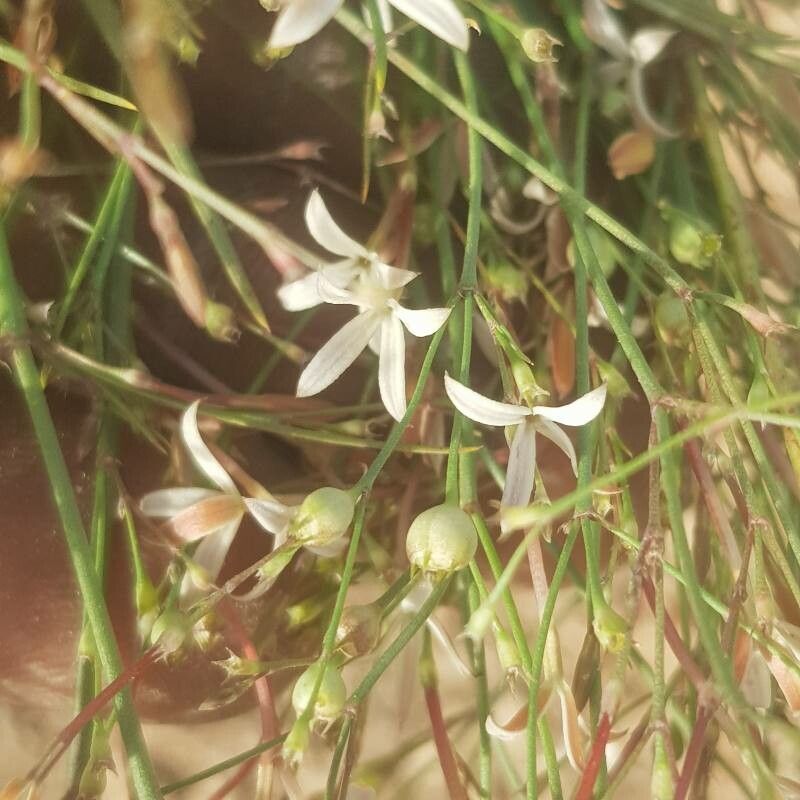
Hey there, fellow garden lovers! It’s me, your resident plant enthusiast, ready to chat about a truly special plant: Amsonia longiflora, also known as long-flower bluestar. If you’re looking for a native perennial that brings a lovely splash of blue in late spring and early summer, with delicate, airy foliage that looks good all season long, this is your girl. And the best part? She’s surprisingly rewarding to multiply!
Now, if you’re new to the gardening game, I’m happy to report that Amsonia longiflora is a pretty beginner-friendly plant when it comes to propagation. You don’t need a degree in botany to get more of these beauties for your garden or to share with friends.
The Best Time to Start
For the most success with propagating Amsonia longiflora, I always reach for my tools in late spring or early summer. This is when the plant is actively growing and has plenty of energy to put into developing new roots. When you see new, tender shoots emerging after the spring growth spurt, that’s your golden ticket.
Supplies You’ll Need
Before we get our hands dirty, let’s gather our arsenal:
- Sharp pruning shears or a clean knife: For making those crucial cuts.
- Rooting hormone (optional but recommended): A little boost never hurts!
- Seed-starting mix or a well-draining potting mix: Think light and airy, something like a 50/50 blend of peat moss and perlite.
- Small pots or propagation trays: With good drainage holes, of course.
- Plastic bags or a clear plastic dome: To create a humid environment.
- Watering can or spray bottle: Gentle watering is key.
Propagation Methods
Amsonia longiflora is wonderfully amenable to propagation by stem cuttings. It’s my go-to method for a reason!
- Take the Cuttings: Select healthy, non-flowering stems from your established plant. Look for stems that are about 4-6 inches long and have at least a couple of leaf nodes (where leaves grow from the stem). Using your sharp shears or knife, make a clean cut just below a leaf node.
- Prepare the Cuttings: Gently remove the lower leaves from the cutting, leaving just the top set or two. This prevents them from rotting in the soil. If you’re using rooting hormone, dip the cut end of the stem into the powder, tapping off any excess.
- Plant the Cuttings: Fill your small pots or trays with your prepared, moistened potting mix. Make a small hole with your finger or a pencil. Insert the cut end of the Amsonia stem into the hole, pressing the soil gently around it to ensure good contact.
- Create a Humid Environment: Water the soil gently after planting. Then, cover the pots with a clear plastic bag, creating a mini-greenhouse effect. You can also use a clear dome if your trays came with one. This humidity is vital for preventing the cuttings from drying out before they can root.
The “Secret Sauce” (Pro Tips)
Here are a few little tricks I’ve learned over the years that can really give you an edge:
- Don’t Crowd Them: Give your cuttings a little breathing room in their pots. Overcrowding can lead to poor air circulation, which is an open invitation for fungal issues.
- Bottom Heat is Your Friend: If you have a seedling heat mat, place your propagation trays on it. A gentle warmth from below encourages root development much faster than ambient room temperature alone. It’s like a cozy spa day for your little sprouts!
- Wash Those Leaves: If you’re doing water propagation (which is also an option for Amsonia), make sure no leaves are submerged in the water. They will rot quickly and can take the whole cutting down with them. Just the stem in the water, please!
Aftercare & Troubleshooting
Once your cuttings have roots – you can gently tug on them; if there’s resistance, they’ve rooted! – it’s time for a bit more care.
- Gradual Acclimation: Slowly remove the plastic cover over a few days to let the new plants adjust to the drier air of your home.
- Watering: Water them when the top inch of soil feels dry. They’re still quite delicate at this stage.
- Transplanting: Once they have a decent root system and a bit more growth, you can transplant them into larger pots or directly into their new garden homes.
Now, what if things go sideways? The most common problem you’ll encounter is rot. This usually happens if the cuttings are kept too wet and lack adequate air circulation. If you see browning, mushy stems, it’s likely rot. Unfortunately, there’s not much you can do once rot sets in, so it’s best to disinfect your tools and start again. Prevention is key here!
A Encouraging Closing
Growing new plants from cuttings is such a satisfying experience. It connects you to the cycle of life in your garden and gives you such a sense of accomplishment. Be patient with your Amsonia longiflora cuttings. Some might take a little longer than others, and that’s completely okay. Just enjoy the process of nurturing those tiny new lives, and soon you’ll have a whole garden full of beautiful bluestar! Happy gardening!
Resource:
https://identify.plantnet.org/k-world-flora/species/Amsonia%20longiflora%20Torr./data