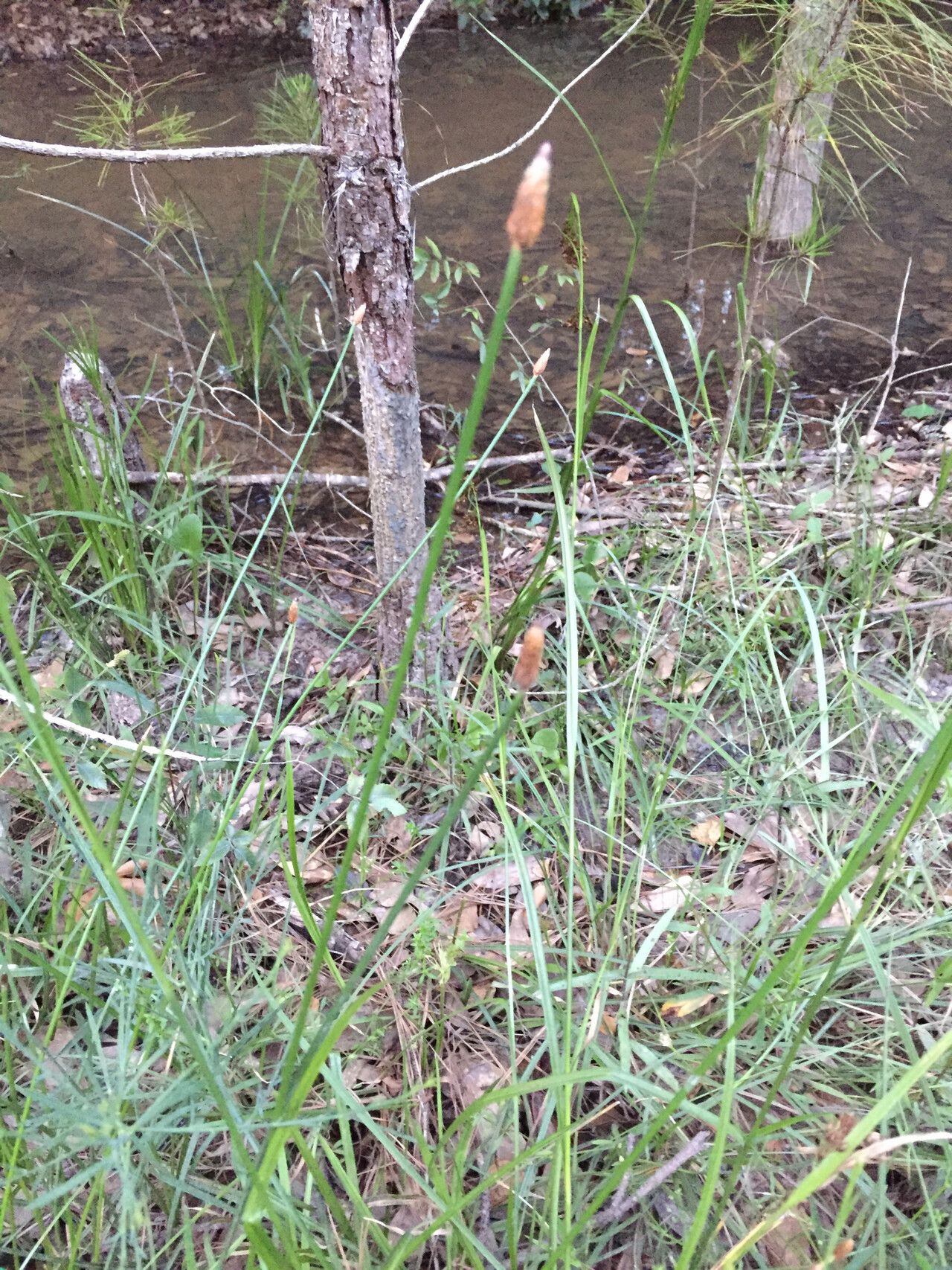
Oh, hello there! Come on in, pull up a chair. I’ve got a fresh pot of coffee brewing, and I’m excited to chat about one of my absolute favorites: Eleocharis montana, or as many of us affectionately call it, Dwarf Hairgrass.
Why You’ll Love Propagating Dwarf Hairgrass
This little gem is just divine in planted aquariums or vivariums. Its delicate, grass-like blades create a beautiful, natural carpet that looks like a miniature meadow. Propagating it yourself is incredibly rewarding. You get to witness those tiny shoots emerge and grow, and soon you’ll have plenty to share or fill out your own aquatic landscapes. For beginners, I’d say Dwarf Hairgrass is moderately easy to propagate, but with a few pointers, you’ll be a pro in no time.
The Best Time to Start
Honestly, the happiest time for Eleocharis montana is when it’s actively growing. This usually means the spring and summer months, when light levels are higher and temperatures are generally warmer. If it’s in a thriving aquarium, you might find you can propagate it year-round, but you’ll definitely see the best results when it’s feeling its most vigorous. Look for healthy, mature clumps with plenty of leafy growth.
Supplies You’ll Need
Alright, let’s gather our bit and bobs. You won’t need a whole lot, but having these handy will make the process so much smoother:
- Sharp Scissors or Pruning Shears: Clean, sharp tools are key to making clean cuts and preventing damage. Small, precise ones are best.
- A Fine-Grained Substrate: For planting, I love a mix of aquatic plant substrate or a fine-grain aquarium gravel. If you’re doing this out of water, a light, well-draining potting mix with added perlite can work.
- Shallow Trays or Pots: For dividing and replanting. Small plastic containers or even repurposed food containers work well.
- Tweezers (Optional but Helpful): Especially for handling those delicate bits of plant.
- Water: Chlorin-free water is best, especially if you’re propagating for an aquarium. I usually let tap water sit out for 24 hours to dissipate chlorine.
- Rooting Hormone (Optional): While not strictly necessary for Dwarf Hairgrass, a tiny bit can give those new roots a little encouragement.
Propagation Methods: Let’s Get Our Hands Dirty!
Eleocharis montana is best propagated through division. It’s a straightforward process that involves separating a larger clump into smaller, manageable pieces.
Step 1: Gently Extract the Plant
If your Dwarf Hairgrass is in an aquarium, carefully pull an entire, healthy clump from the substrate. Try to get as much of the root system as possible attached. If it’s in a pot, gently loosen the soil around the edges and ease the entire plant out.
Step 2: Clean Off Excess Substrate
Gently rinse away any loose substrate from the roots and the base of the plant. You want to be able to see the individual growth points clearly. Don’t be too vigorous; we don’t want to damage delicate roots.
Step 3: Divide the Clump
This is where your scissors or even your fingers come in handy. Look for natural divisions within the clump. You want to separate it into smaller sections, each with a good portion of roots and some healthy green shoots. Aim for pieces that are about 1-2 inches across. Don’t be afraid to be a little decisive; a clean separation is better than ripping.
Step 4: Replant Your New Babies
Now it’s time to get your divisions settled.
- For Aquariums: Gently replant each division into your prepared substrate. You can use tweezers to help position them. Plant them a little deeper than they were previously, so the roots are well covered.
- For Terrariums/Out of Water: Plant each division into your prepared substrate in its new pot or tray. Give them a light watering to settle the soil.
The “Secret Sauce” (Pro Tips from My Garden Journal)
Here are a couple of things I’ve learned along the way that have made a big difference:
- Don’t Drown the Leaves: If you’re propagating in water (which I sometimes do for a quick look at root development), make sure only the roots touch the water. If the green, leafy parts are submerged for too long, they can start to rot. I like to suspend the plant so just the base and roots are immersed.
- Consider a “Greenhouse” Effect: For divisions planted out of water, covering the pot or tray with a clear plastic bag or a dome can create a humid environment. This helps the new cuttings retain moisture while they establish their roots. Just be sure to open it for a few minutes each day to allow for air circulation and prevent mold.
Aftercare & Troubleshooting
Once your new plants are settled, give them a little TLC.
- Aquatic Plants: Ensure good water flow and nutrient-rich substrate. Start with moderate lighting, gradually increasing it as the plant grows.
- Terrestrial/Terrarium Plants: Keep the substrate consistently moist but not waterlogged. Indirect light is usually best initially.
If you notice yellowing leaves or mushy stems, that’s often a sign of rot. This usually happens due to overwatering or poor air circulation. If you see this, gently try to remove the affected part. Ensure better drainage and air exchange. Sometimes, a new division just doesn’t take, and that’s okay! Don’t get discouraged.
Keep Growing!
Propagating Eleocharis montana is a wonderful way to expand your plant collection without buying new stock. Be patient, observe your little charges, and enjoy the process. Soon you’ll be surrounded by miniature meadows! Happy gardening!
Resource: