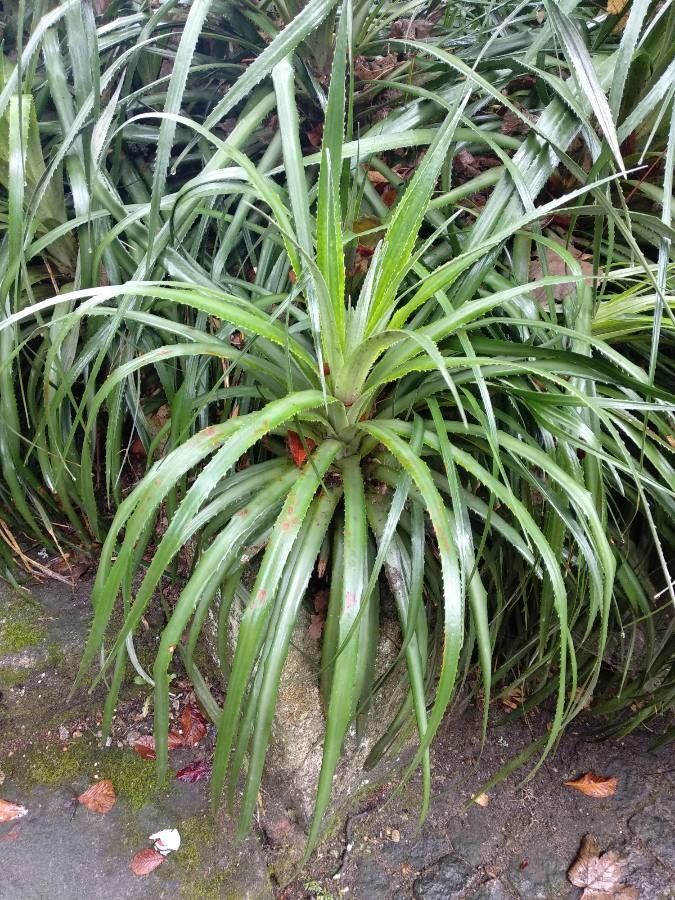
Well hey there, fellow plant lover! If you’ve ever admired the striking, architectural beauty of a Pandanus veillonii, you’re not alone. These plants, with their spiky, strap-like leaves and tropical vibes, bring such a unique splash of green to any space. And the best part? You can easily multiply that beauty! Propagating Pandanus veillonii is a genuinely rewarding process, and I’m here to walk you through it. It’s not a houseplant that will immediately thwart a beginner; with a little care, you’ll be successful.
The Best Time to Start
When it comes to getting those new Pandanus babies going, spring and early summer are your best friends. This is when the plant is actively growing and has plenty of energy to put into developing new roots. You’re essentially tapping into its natural vigor, which always makes for higher success rates.
Supplies You’ll Need
Before we dive in, let’s gather our tools. Having everything ready makes the whole process smoother.
- Sharp Pruning Shears or a Clean Knife: For making clean cuts on the parent plant and your cuttings.
- Well-Draining Potting Mix: I like a blend of perlite, peat moss, and some good quality potting soil. This ensures no soggy feet for our new plants.
- Small Pots or Propagation Trays: Clean pots are crucial to avoid introducing any nasty bacteria.
- Rooting Hormone (Optional but Recommended): This can give your cuttings a helpful boost.
- Water: For watering and possibly for water propagation.
- Plastic Bags or a Propagator: To create a humid environment for your cuttings.
- Gloves: Pandanus can have sharp leaf edges, so protect your hands!
Propagation Methods
There are a couple of fantastic ways to get new Pandanus veillonii plants, and we’ll cover the most common and effective ones.
Method 1: Offshoots (Pups)
This is by far the easiest and most successful method for Pandanus veillonii. These plants naturally produce little baby plants, called “pups” or “offsets,” around their base.
- Locate the Pups: Gently examine the base of your mature plant. You’ll see small, compact rosettes of leaves emerging from the soil or along the main stem.
- Separate the Pup: Once a pup has developed a bit of its own root system (you might see tiny roots peeking out), it’s ready. Using your sharp pruning shears or knife, carefully cut the pup away from the mother plant, making sure to get as many of its developing roots as possible. If a pup is large enough to stand on its own, you’re golden.
- Dry the Cut: This is a little trick I always swear by. Let the severed end of the pup air dry for a day or two in a bright, indirect spot. This helps to callus over the cut, which significantly reduces the risk of rot when you plant it.
- Plant the Pup: Fill a small pot with your well-draining potting mix. Make a small hole in the center and gently insert the callused end of the pup into the soil. Firm the soil around it.
- Water and Wait: Water the soil thoroughly. Then, cover the pot with a clear plastic bag or place it in a propagator to maintain high humidity. Keep it in a bright spot, but out of direct sunlight. You should see new growth in a few weeks.
Method 2: Stem Cuttings (If pups are scarce)
Sometimes, pups aren’t abundant. In this case, you can take stem cuttings.
- Take a Cutting: Look for a healthy, mature stem on your plant. Using your sharp shears, cut a section of the stem that is at least 4-6 inches long, ideally with a few sets of leaves.
- Prepare the Cutting: Remove the lower leaves, exposing a few inches of bare stem. If you’re using rooting hormone, dip the cut end into it now according to the product’s instructions.
- Plant the Cutting: Fill a pot with your well-draining potting mix. Insert the prepared cutting into the soil, ensuring the bare stem is well covered and the remaining leaves are above the soil line.
- Create Humidity: Water the soil and then cover the pot with a plastic bag or place it in a propagator. This is critical for stem cuttings, as they need a humid environment to encourage root formation.
- Provide Light and Warmth: Place the pot in a bright location, away from direct sun. Bottom heat can be a game-changer for stem cuttings, speeding up the rooting process. You can achieve this with a seedling heat mat. Be patient; this method can take longer than using pups.
The “Secret Sauce” (Pro Tips)
As your seasoned garden friend, I’ve picked up a few tricks over the years that really make a difference.
- Don’t Over-Water: This is the biggest killer of new cuttings. While they need consistent moisture, the soil should never be waterlogged. Let the top inch of soil dry out slightly between waterings.
- Clear Visibility with Water Propagation: If you’re tempted to try water propagation with pups (though I usually stick to soil for Pandanus), a crucial tip is to ensure no leaves are touching the water. Only the roots or the very base of the stem should be submerged. Leaves in water will quickly rot.
- The Power of Patience: Some plants are quick to root, and others are more leisurely. Pandanus can be on the slower side, especially stem cuttings. Don’t be discouraged if you don’t see immediate results. Give it time, and trust the process.
Aftercare & Troubleshooting
Once you see that wonderful sign of new growth, you’re practically in the clear!
- Gradual Acclimation: If you’ve used a plastic bag or propagator, gradually remove it over a few days to help your new plant adjust to normal humidity levels.
- Continued Care: Continue to water your new Pandanus when the top inch of soil feels dry. They thrive in bright, indirect light.
- Signs of Trouble: The most common issue is rot, identified by mushy, brown stems or leaves at the base. This is almost always a sign of overwatering or poor drainage. If you spot rot, act quickly. You might be able to salvage healthy parts of the stem or pup, but often, it’s best to discard and start again with a clean pot and fresh soil. Yellowing leaves can also indicate overwatering or lack of light.
A Encouraging Closing
And there you have it! Propagating your Pandanus veillonii is a journey of patience and observation, but the reward of creating new plants from your existing ones is immense. Don’t be afraid to experiment, and most importantly, enjoy the process. You’ll soon have a whole collection of these stunning plants to admire and share. Happy propagating!
Resource:
https://identify.plantnet.org/k-world-flora/species/Pandanus%20veillonii%20H.St.John/data