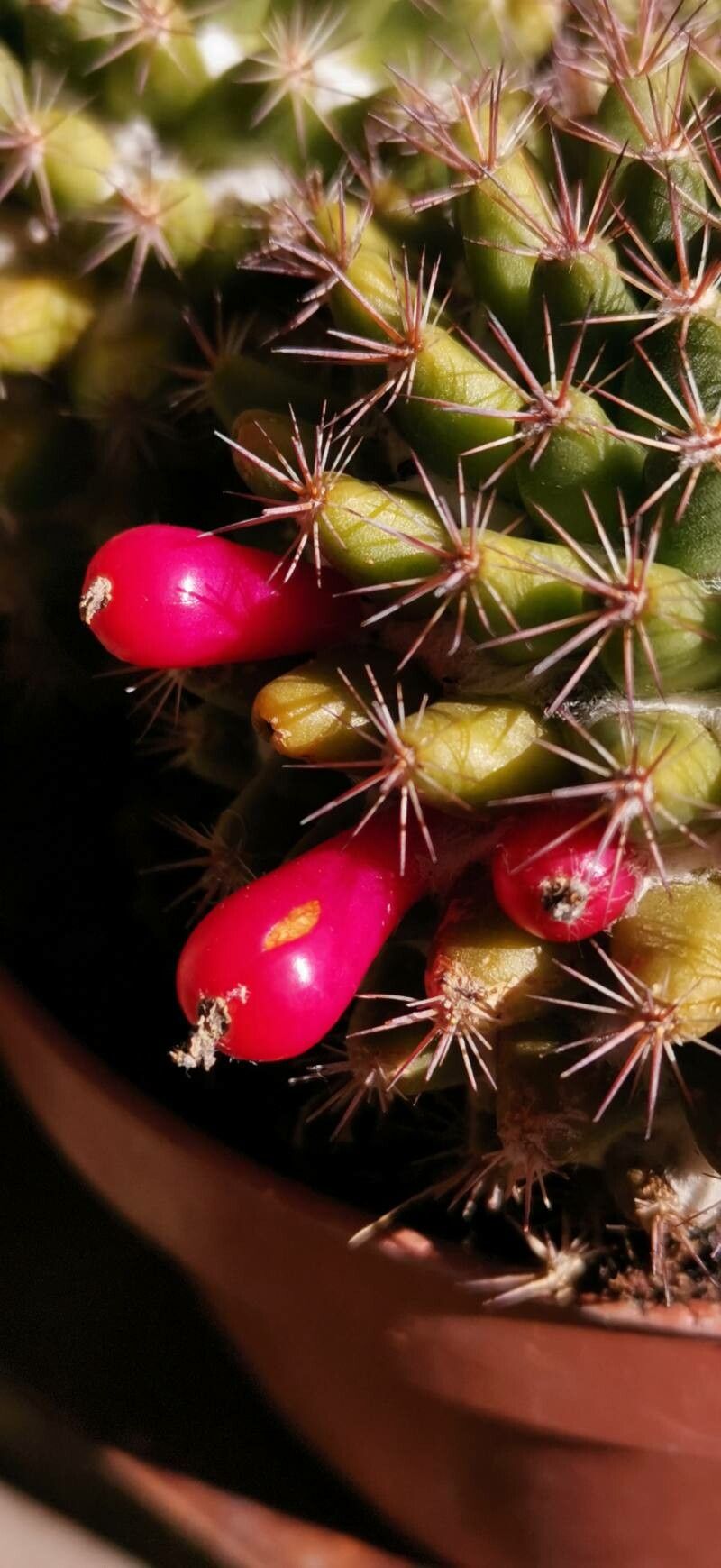
Hello there, fellow plant lovers! It’s so good to have you join me today. If you’ve ever admired a plump, spiny Mammillaria heyderi, you know the charm such a cactus brings to a windowsill. They’re like little desert jewels, often forming clusters that just beg to be multiplied. And guess what? Propagating them is one of the most rewarding journeys a gardener can take. It’s how we share the beauty, and honestly, it’s not as daunting as it might seem. Even if you’re just starting your cactus adventure, I think you’ll find this particular plant quite forgiving.
The Best Time to Start
Timing is everything in the garden, isn’t it? For Mammillaria heyderi, the absolute sweetest spot to start propagating is during its active growing season. Think spring and early summer. You want the plant to be plump and full of energy, ready to put its efforts into making new roots rather than just surviving. Trying to propagate when it’s dormant is like asking someone to run a marathon without any breakfast – just not the best idea!
Supplies You’ll Need
Let’s get our little propagation station ready. Here’s what I always have on hand:
- Well-draining soil mix: A gritty cactus and succulent blend is key. You can buy it or mix your own with potting soil, perlite, and coarse sand (about 1:1:1 ratio works well).
- Clean, sharp pruning shears or a sharp knife: We want clean cuts, not ragged tears.
- Gloves: Those spines are beautiful, but they can also be a bit pokey!
- Small pots or seedling trays: Anything that can hold the soil and allow for drainage.
- Rooting hormone (optional but helpful): This gives your cuttings a little extra encouragement.
- A trowel or spoon: For scooping soil.
- Spray bottle: For a gentle mist.
Propagation Methods
Mammillaria heyderi is most commonly propagated by taking offsets or pups. These are the baby plants that grow from the base of the mother plant.
- Carefully remove the offset: Get your gloves on! Gently examine the base of your Mammillaria. You’re looking for those little side buds that have started to grow. If they’re small and nestled in tightly, it’s often best to wait until they’re a bit more substantial. When you’re ready, use your clean shears or knife to make a clean cut as close to the mother plant as possible. Try to get a bit of the base if you can, but don’t stress if it’s just the pup itself.
- Let it callus: This is a crucial step for cacti! After you’ve removed the offset, do not plant it immediately. Place it in a dry, well-ventilated spot away from direct sunlight for a few days, or even a week or two. You want the cut end to dry out and form a protective callus. This prevents rot when it hits the soil. It will look a little shriveled, but that’s perfectly normal.
- Plant your offset: Once the cut end has callused over, it’s ready for its new home. Fill your small pot with your well-draining soil mix. You can lightly dip the callused end in rooting hormone if you’re using it – just a quick dip. Then, gently press the offset into the soil so that the callused end is covered. You might need to prop it up a little if it’s top-heavy.
- Initial Watering and Patience: Do not water immediately after planting. Wait about a week. Then, give it a very light watering, just enough to settle the soil around the base. After that, water sparingly, only when the soil is completely dry. It can take several weeks, or even a couple of months, for roots to form. You’ll know it’s happy when you see signs of new growth or feel a gentle resistance when you try to pull on it.
The “Secret Sauce” (Pro Tips)
Here are a couple of things I’ve learned over the years that really boost success:
- Think “dry” first: Cacti are desert dwellers, and their biggest enemy in propagation is too much moisture. When you water newly planted offsets, err on the side of underwatering. It’s always easier to add a little more water than to deal with rot.
- Give them a gentle nudge: If you’re worried about root development, you can gently tug on the offset after a few weeks. If you feel any resistance at all, congratulations, roots are starting to form! Also, bottom heat can be a game-changer. If you have a propagation mat, placing your pots on it can significantly speed up root formation.
Aftercare & Troubleshooting
Once your offset has rooted – you’ll see it looking plumper and potentially showing new growth – you can start treating it more like a mature plant. Water when the soil is dry, and provide plenty of bright, indirect light.
The most common issue you’ll face is rot. If you notice your offset becoming mushy, discolored (often a dark, waterlogged brown), or collapsing, it’s likely rot. This usually happens from overwatering or not allowing the cutting to callus properly. If you catch it early, you might be able to cut away the rotted parts and try again, but often, it’s best to learn from the experience and try with a new cutting. Another sign of distress can be wilting or shriveling that doesn’t improve with watering – this could indicate insufficient roots or too much direct sun before it’s established.
A Encouraging Closing
So there you have it! Propagating Mammillaria heyderi is a journey of patience and observation. Don’t be discouraged if your first attempt isn’t perfect. Every plant is a living lesson, and the joy of watching a tiny offset grow into its own beautiful cactus is truly something special. So grab your shears, get your hands (gloved, of course!) dirty, and enjoy the process. Happy propagating!
Resource:
https://identify.plantnet.org/k-world-flora/species/Mammillaria%20heyderi%20Muehlenpf./data