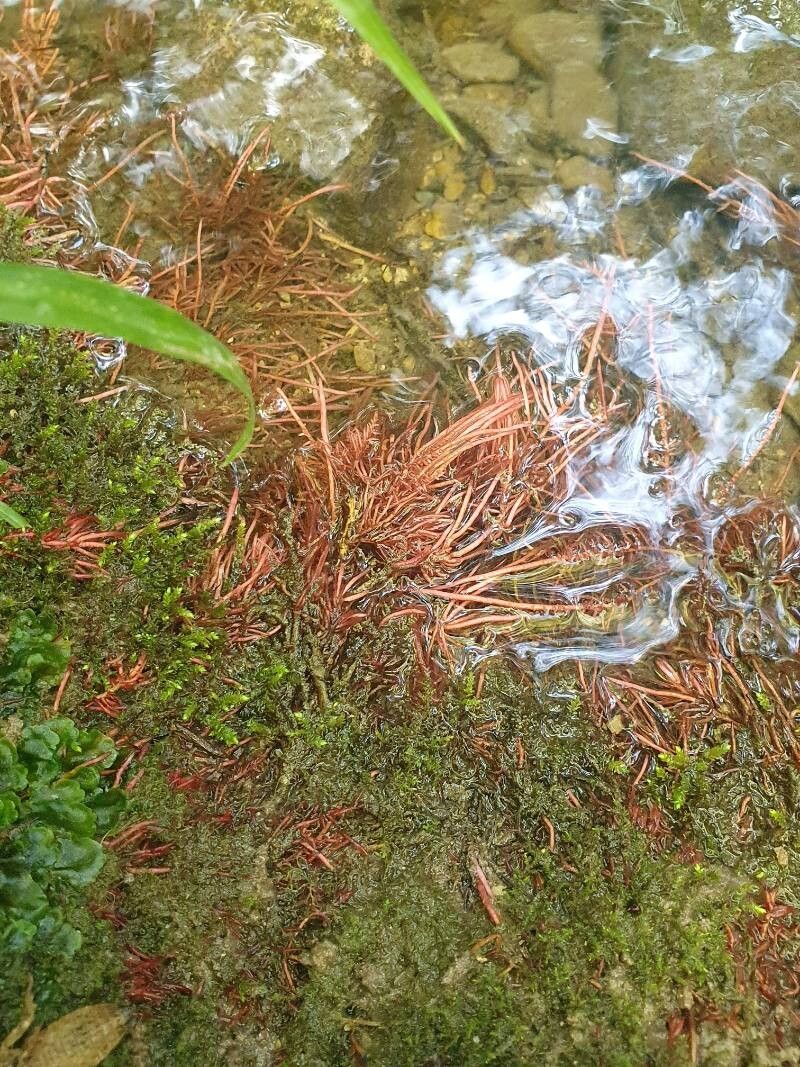
Oh, how I love a bit of Myriophyllum alterniflorum! Also known as Alternate-flowered Water Milfoil, this aquatic beauty is a real stunner in the freshwater aquarium or pond. Its feathery, submerged foliage creates a delicate, almost ethereal look that I find incredibly soothing. Plus, watching your own little plant grow from a tiny cutting into a lush specimen? Pure gardening joy! For those of you dipping your toes into aquatic plant propagation, I’m happy to say Myriophyllum alterniflorum is fairly easy to get started with. You’ll likely have great success!
The Best Time to Start
Hands down, the best time to propagate Myriophyllum alterniflorum is during its active growing season. Think late spring through summer. This is when the plant has the most energy stored up, making it more robust and quicker to root. You can also take cuttings in early autumn, but growth might be a bit slower. Just avoid trying to propagate during the colder, dormant months—it’s like trying to wake a sleepy bear too early!
Supplies You’ll Need
Gathering your supplies beforehand makes the whole process so much smoother. Here’s what I always have on hand:
- Sharp Pruning Shears or Scissors: Clean cuts are key for healthy healing.
- Healthy Mother Plant: Look for vibrant, non-diseased stems.
- Distilled or RO Water: Tap water can sometimes have minerals or chemicals that hinder rooting.
- Small Jars or Vases: For starting cuttings in water.
- Optional: Rooting Hormone: Gel or powder can give your cuttings an extra boost.
- Optional: Small Net Pots or Substrate: If you plan to plant directly into a substrate.
Propagation Methods
There are a couple of straightforward ways to multiply your Myriophyllum alterniflorum. I usually reach for stem cuttings, as it’s quick and effective.
Stem Cuttings: My Go-To Method
This is probably the easiest and most popular way to propagate this plant.
- Select a Healthy Stem: Find a stem on your mature plant that’s at least 4-6 inches long and looks vigorous.
- Make a Clean Cut: Using your sharp pruning shears, make a clean cut just below a leaf node (where leaves attach to the stem). You want to take cuttings that have several sets of leaves.
- Prepare the Cutting: Gently remove the leaves near the bottom of the cutting, leaving about 2-3 inches of bare stem. This prevents them from rotting in the water or substrate.
- Choose Your Starting Medium:
- Water Propagation: Place the prepared cutting in a jar or vase filled with distilled or RO water. Make sure the cut end is submerged, but try to keep the remaining leaves out of the water. This is super important to prevent rot. Place the jar in bright, indirect light.
- Substrate Propagation: If you prefer, you can dip the cut end in rooting hormone (if using) and then plant it directly into a fine gravel or aquatic plant substrate. Ensure the substrate is moist but not waterlogged.
- Wait for Roots! In water, you should start seeing tiny white roots emerge from the cut end within a week or two. With substrate, you’ll need to gently tug on the cutting after a few weeks to feel resistance, indicating root growth.
Division (Less Common, but Possible)
While stem cuttings are my preferred method, mature, well-established plants might sometimes have side shoots or clumped growth that can be carefully separated. This is more common in pond settings where the plant can get quite dense. Gently tease apart the clumps, ensuring each section has some roots attached, and replant them.
The “Secret Sauce”
Now, for a couple of little tricks up my sleeve that I’ve learned over the years:
- “Don’t Let the Leaves Touch the Water!”: I cannot stress this enough. Submerged leaves are a recipe for mushy, browned disaster. They’ll rot, and that rot can spread to the rest of your cutting, dooming it before it even has a chance to root. Keep those precious leaves high and dry until roots form.
- Gentle Water Flow is Your Friend: While you don’t want to blast your new cuttings away, a slight water movement (like from a gentle filter in an aquarium or natural pond flow) can actually oxygenate the water and encourage rooting. Stagnant water can sometimes become anaerobic, which isn’t ideal.
- Patience with the Light: Bright, indirect light is key. Direct sunlight can scorch delicate new cuttings or heat the water too much. Think of a dappled shade scenario.
Aftercare & Troubleshooting
Once you see those beautiful roots forming, it’s time for a little extra care to help your new Myriophyllum alterniflorum thrive.
For water-propagated cuttings, continue to change the water every few days to keep it fresh and oxygenated. Once the roots are about an inch or so long, you can carefully transplant them into your aquarium substrate or pond if you’re ready.
If you’ve propagated in substrate, ensure the substrate remains consistently moist. You can introduce gentle flow once roots are established.
Common Signs of Trouble:
- Mushy, Brown Stems or Leaves: This is almost always a sign of rot, usually due to stagnant water or leaves being submerged. Unfortunately, if the rot is advanced, the cutting is likely unsalvageable. This is where prevention (keeping leaves dry!) is so important.
- Yellowing Leaves: This could indicate a lack of nutrients or insufficient light. If it persists, try a very dilute liquid fertilizer made for aquatic plants, or move the plant to a slightly brighter spot.
- No Roots After Weeks: Don’t despair! Sometimes it just takes a little longer. Ensure the water is clean, the light is adequate, and temperatures are stable. If the cutting still looks healthy but just isn’t rooting, you can try taking a fresh cutting from the same spot on the mother plant.
A Little Patience Goes a Long Way
Propagating plants is such a rewarding journey, and watching a tiny cutting transform into a thriving specimen is incredibly satisfying. Don’t get discouraged if a cutting doesn’t take right away. Gardening is a process of learning and observing, and even experienced gardeners have their share of failed attempts! Just keep experimenting, enjoy the quiet moments spent with your plants, and celebrate every sprout and root you grow. Happy propagating!
Resource:
https://identify.plantnet.org/k-world-flora/species/Myriophyllum%20alterniflorum%20DC./data