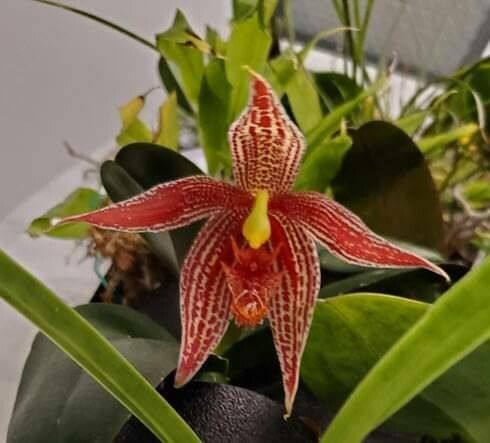
Oh, hello there! Pull up a chair, let’s chat about Paphinia posadarum. If you’re looking for a truly captivating orchid that brings a touch of the exotic to your home, this is one you absolutely must consider. Its elegant, hanging blooms are a real showstopper, and there’s a special kind of joy in creating more of these beauties from existing plants. Now, I’ll be honest, Paphinia posadarum isn’t the absolute easiest orchid to propagate for a complete beginner. It asks for a little bit of care and understanding, but with a bit of patience, you’ll find it incredibly rewarding. Think of it like learning to bake a tricky cake – a few missteps, but the triumph of that first perfect slice is so worth it!
The Best Time to Start
When it comes to giving your Paphinia posadarum the best chance to multiply, timing is key. I’ve found the absolute sweet spot is in the spring, just as the plant is kicking into high gear with new growth. This is when its energy reserves are at their peak, making it more receptive to propagation efforts and more likely to produce healthy roots. You’re essentially catching it at the beginning of its growth spurt, when it’s feeling good and ready to share its vitality.
Supplies You’ll Need
Before we dive into the how-to, let’s gather our tools. Having everything ready makes the whole process so much smoother.
- Sharp, sterilized pruning shears or a clean razor blade: Essential for making clean cuts to prevent disease.
- Cinnamon or a rooting hormone powder: Cinnamon is a natural antifungal and can help seal the cut. Rooting hormone can give an extra boost for your cuttings.
- A well-draining orchid potting mix: I like to use a mix of fine bark, perlite, and a bit of charcoal. You can even find specific orchid compost for this.
- Small pots or seedling trays: Clean and ready for your new propagations.
- A clear plastic bag or propagation dome: To create a humid environment, which orchids adore.
- A small mister or spray bottle: For keeping things nicely hydrated.
- Optional: A heat mat: This can make a big difference, especially if your home is on the cooler side.
Propagation Methods
Paphinia posadarum is primarily propagated through division. This means gently separating a mature plant into smaller, individual segments.
- Gently Remove from Pot: Carefully take your Paphinia posadarum out of its current pot. If it’s stuck, you might need to gently squeeze the pot or run a knife around the edge. We want to avoid damaging the roots as much as possible.
- Clean the Roots: Gently brush away as much of the old potting mix as you can from the root system. This allows you to clearly see where the plant divides naturally.
- Identify Division Points: Look for natural breaks in the rhizome (that’s the creeping stem that connects the pseudobulbs). You’ll be looking for sections that have at least two or three healthy-looking pseudobulbs and a good root system.
- Make the Cut: Using your sterilized pruning shears or razor blade, make a clean cut between the points you’ve identified. Don’t force it; if it feels like you’re tearing something, you’re probably going too hard. A clean slice is what we’re after.
- Treat the Wounds: Once divided, you can lightly dust the cut surfaces with cinnamon or your rooting hormone powder. This helps to create a protective barrier and encourage root development. Let the cut ends air dry for a few hours – this is important to prevent any immediate rot when you pot them up.
- Pot Up Your Divisions: Fill your clean pots with your orchid mix. Create a little well in the center and place your divided Paphinia posadarum section in it. Gently arrange the roots and then fill in around them with more potting mix, ensuring the base of the pseudobulbs is at or just above the surface. Don’t plant them too deeply.
- Create a Humid Environment: Water the newly potted divisions lightly. Then, place the pots into a clear plastic bag or cover them with a propagation dome. This is crucial for maintaining the high humidity that Paphinia posadarum needs to thrive and establish.
The “Secret Sauce” (Pro Tips)
Here are a few little nuggets of wisdom I’ve picked up over the years that can really make a difference:
- Don’t Overwater the Divisions: This is probably the most common pitfall. Until new roots start to form and the plant is more established, it’s easy to drown these little guys. Aim for slightly moist, but never soggy, soil. I often find myself misting the inside of the plastic bag a little bit rather than watering the soil directly.
- Bottom Warmth is Your Friend: Orchids, especially tropical ones like Paphinia posadarum, love a gentle warmth from below. Placing your potted divisions on a heat mat set to a low temperature (around 70-75°F or 21-24°C) can significantly speed up root formation and overall recovery. It mimics the consistent warmth they’d find in their natural habitat.
- Patience, Dear Gardener, Patience: It can take weeks, sometimes even a couple of months, for you to see definitive signs of new growth or roots. Don’t despair if you don’t see immediate results. Keep the environment consistently humid, provide that gentle warmth, and resist the urge to constantly poke and prod. Trust in the process!
Aftercare & Troubleshooting
Once you see signs of new roots – usually a creamy white or greenish tip emerging from the base – congratulations! Your Paphinia posadarum is on its way. Continue to keep the environment humid, and you can gradually start to reduce the humidity over a few weeks as the plant becomes more established. You can remove the plastic bag for longer periods each day.
The biggest challenge you’ll likely face is rot. If you see mushy, blackening leaves or pseudobulbs, it’s a sign of too much moisture and poor air circulation. If this happens, try to remove the affected part immediately with a sterilized blade, dust the wound with cinnamon, and ensure the potting mix is drying out a bit more between waterings. Good airflow is your best defense against rot.
A Encouraging Closing
So there you have it! Propagating Paphinia posadarum is a journey, not a race. It requires a
Resource: