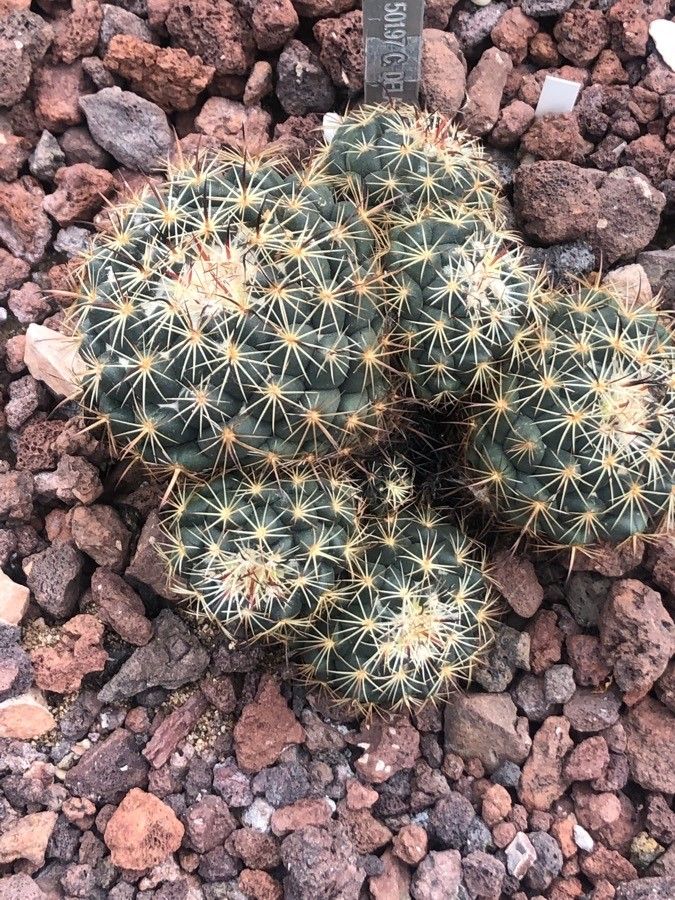
You know, there are some plants that just draw you in. They have a certain charm, a quiet resilience that makes you want to get to know them better. Coryphantha delaetiana is one of those for me. Its plump, segmented body and the way it seems to hug the soil are just captivating. And the best part? Sharing that beauty is incredibly rewarding.
If you’re thinking about adding more of these delightful cacti to your collection, you’re in luck! Propagating Coryphantha delaetiana is generally quite achievable, even for those of you who are just dipping your toes into the world of cactus propagation. It’s a wonderful way to get more for your garden or to share with fellow plant lovers.
The Best Time to Start
For the highest success rates, I always aim to propagate my Coryphantha delaetiana starting in the late spring or early summer. This is when the plant is actively growing, and it has the energy it needs to form new roots. Waiting until after it’s had a chance to wake up from its winter dormancy is key. Think of it like giving your new babies the best start in life!
Supplies You’ll Need
Gathering your supplies beforehand makes the whole process so much smoother. Here’s what I usually have on hand:
- Well-draining potting mix: I like to use a cactus and succulent mix, often with a bit of added perlite or pumice for extra aeration.
- Sterile pruning shears or a sharp knife: Clean tools are crucial to prevent introducing any unwanted nasties.
- Rooting hormone (optional but recommended): This can give your cuttings a significant boost.
- Small pots or seed trays: Something that allows for good drainage.
- Gravel or small stones: For a top dressing.
- Gloves (optional): Cacti can be prickly!
Propagation Methods
There are a few ways to go about this, but my favorite method for Coryphantha delaetiana is through offsets, also known as “pups.” These little guys naturally form at the base of the mother plant.
- Locate the offsets: Gently examine the base of your mature Coryphantha delaetiana. You’ll likely see small globes or segments emerging.
- Carefully detach: Using your sterilized pruning shears or knife, carefully cut the offset away from the mother plant. Try to get as much of the base attached as possible. If it detaches easily with a gentle twist, that’s even better!
- Allow to callus: This is a critical step. Place the detached offset in a dry, well-ventilated spot, out of direct sunlight, for a few days to a week. You want the cut surface to dry out and form a protective callus. This prevents rot when you plant it.
- Planting the offset: Once callused, lightly moisten your well-draining potting mix. Gently press the callused end of the offset into the soil, just deep enough to provide stability. You can add a thin layer of gravel on top as a top dressing, which also helps with drainage and aeration around the base.
The “Secret Sauce” (Pro Tips)
After years of working with cacti, I’ve picked up a few tricks that seem to make all the difference:
- Gentle watering is your friend: When you first plant an offset, you don’t want to drench it. I usually wait about a week after planting before giving it its very first light watering. This gives the callus another chance to heal completely. Even then, water sparingly. Let the soil dry out thoroughly between waterings.
- Think about bottom warmth: If you’re propagating in a cooler environment, even with the best sunlight, a little gentle bottom heat can be a game-changer. A seedling heat mat placed underneath your pots can really encourage root development. Just make sure it’s not too hot – you don’t want to cook your little ones!
- Don’t rush the roots: Patience is truly a virtue with cacti. Resist the urge to tug on your new offsets to check for roots. You won’t see much happening for a while, and that’s perfectly normal. Keep the conditions consistent, and trust the process.
Aftercare & Troubleshooting
Once your Coryphantha delaetiana offset has established a root system – you might notice it feels a little firmer and perhaps even starts to show a tiny bit of new growth – you can start treating it more like a mature plant. Water when the soil is completely dry, and provide plenty of bright, indirect light.
The most common issue you’ll encounter is rot. If your offset becomes mushy, discolored, or starts to collapse, rot has set in. This is usually due to overwatering or not allowing sufficient drying time after potting. If you catch it early, you might be able to cut away the infected part and let the healthy section callus and try again.
A Little Encouragement
Propagating plants is a journey, and it’s always rewarding to see something new thrive because of your care. Don’t get discouraged if your first attempt isn’t perfect. Each cactus you grow is an opportunity to learn. Be patient, enjoy the little triumphs, and soon you’ll have a whole garden of these beautiful Coryphantha delaetiana to admire! Happy propagating!
Resource: