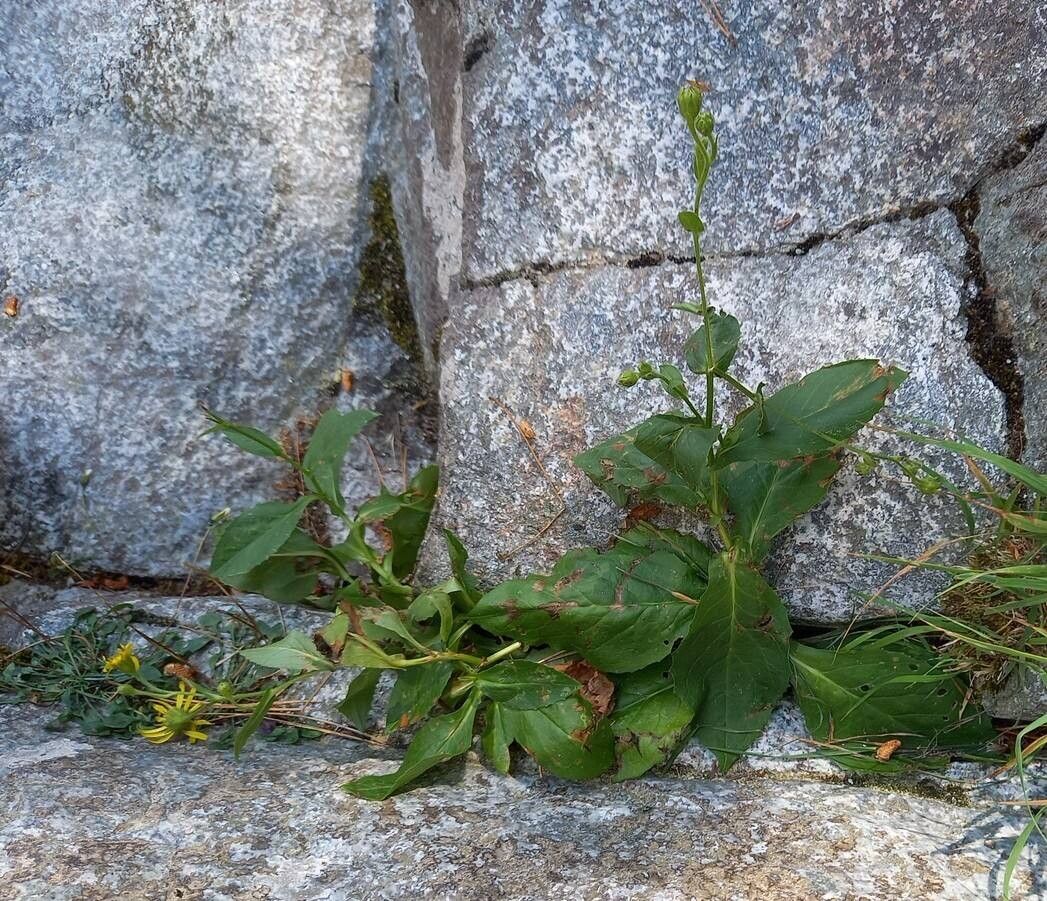
Oh, hello there! Come on in, pull up a chair. I’ve got a fresh pot of coffee brewing, and I’m just bursting to talk about Doronicum corsicum. If you’ve ever seen these cheerful, bright yellow daisies gracing someone’s garden, you’ve probably been smitten. They bring such a burst of sunshine, don’t they? And the best part? Propagating them is surprisingly rewarding, and I’m happy to say, it’s generally quite doable even for beginner gardeners. It’s a lovely way to fill out your beds or share a bit of that sunshine with friends.
The Best Time to Start
For Doronicum, like many perennials, I find the sweet spot for propagation is late spring to early summer. This is right after they’ve had their glorious bloom and are actively putting on new growth. You’re working with vigorous, healthy plant material then, which gives your cuttings or divisions the best possible start. Waiting until this time avoids stressing the plant when it’s already busy flowering.
Supplies You’ll Need
Gathering your tools beforehand makes the whole process smoother. Here’s what I usually have on hand:
- Sharp, clean pruning shears or a sharp knife: Crucial for making clean cuts.
- Seed-starting mix or a well-draining potting mix: Something light and airy is key. I often mix in a bit of perlite.
- Small pots or trays: Clean ones are a must!
- Rooting hormone (optional, but helpful): Especially if you’re feeling a bit nervous about root development.
- Watering can or spray bottle: For gentle watering.
- Plastic bags or propagators: To create a humid environment.
Propagation Methods
Doronicum is a champion at division, and that’s usually my go-to. Stem cuttings can work too, but division feels like the most reliable method for this particular plant.
Division
This is hands-down my favorite and generally the easiest way to propagate Doronicum.
- Dig Up the Plant: In late spring or early summer, after flowering, gently dig up the entire Doronicum clump. It’s best to do this when the soil is slightly moist, not bone dry or waterlogged.
- Examine the Root Ball: Gently shake off excess soil. You’ll see dense root systems with leafy shoots emerging.
- Separate the Divisions: Using your hands or a clean spade, carefully tease apart or cut the clump into smaller sections. Each section should have at least one or two healthy shoots and a good amount of root. Don’t try to make them too small; aim for pieces that look robust.
- Replant Immediately: Backfill the original spot with some compost if you like, and replant your divisions. Make sure the crown (where the shoots emerge from the roots) is just at soil level.
- Water Well: Give all the newly planted divisions a good, thorough watering.
Stem Cuttings (For the Adventurous!)
If you want to try cuttings, aim for tip cuttings.
- Take Cuttings: In late spring or early summer, select healthy stems that are not flowering. Cut a stem about 4-6 inches long, just below a leaf node.
- Prepare the Cutting: Remove the lower leaves, leaving just two or three at the top. If the leaves are very large, you can even snip them in half to reduce water loss.
- Apply Rooting Hormone (Optional): Dip the cut end into rooting hormone, tapping off any excess.
- Plant the Cuttings: Insert the cut end into pots filled with your well-draining potting mix. Make a little hole with a pencil first to avoid rubbing off the hormone.
- Create Humidity: Water gently, then pop the pots into plastic bags or a propagator to maintain humidity.
The “Secret Sauce” (Pro Tips)
Here are a couple of little tricks I’ve learned over the years that can really boost your success:
- Don’t Overcrowd Your Divisions: When replanting divisions, give them a bit of breathing room. They’ll expand, and you don’t want them competing too much right from the start. I usually aim for at least a foot apart.
- Bottom Heat for Cuttings: If you’re trying stem cuttings and you have it available, placing your pots on a heated propagator mat can make a world of difference. The gentle warmth encourages root formation much faster than ambient room temperature.
Aftercare & Troubleshooting
Once your Doronicum divisions or cuttings are in their new homes, a little care goes a long way.
For divisions, keep the soil consistently moist but not waterlogged for the first few weeks. They need to establish their roots. Once they’re showing new leaf growth, you can ease up on the watering, treating them like established plants.
For cuttings, keep them in that humid environment. Mist them gently every couple of days. You’ll know they’ve rooted when you see new growth emerging and perhaps feel a little resistance when giving them a gentle tug. Once they look established with a few sets of new leaves, you can gradually acclimate them to open air by venting the bags or propagator a bit each day. Then, transplant them into individual pots.
The main thing to watch out for is rot. If your cuttings look limp, yellow, and mushy, or if your divisions aren’t perking up and seem to be rotting at the crown, it’s usually a sign of too much moisture and poor drainage. Make sure your soil mix is airy, and adjust your watering schedule. Sadly, once rot sets in, it’s hard to recover, so prevention is key!
A Encouraging Closing
See? Not so scary, is it? Propagating Doronicum is a lovely, tangible way to connect with your garden and multiply those joyful blooms. Be patient with your new plants – they’re working hard to establish themselves. And most importantly, enjoy the process! There’s a special kind of satisfaction that comes from watching something you’ve grown from a little piece thrive. Happy gardening!
Resource:
https://identify.plantnet.org/k-world-flora/species/Doronicum%20corsicum%20(Loisel.)%20Poir./data