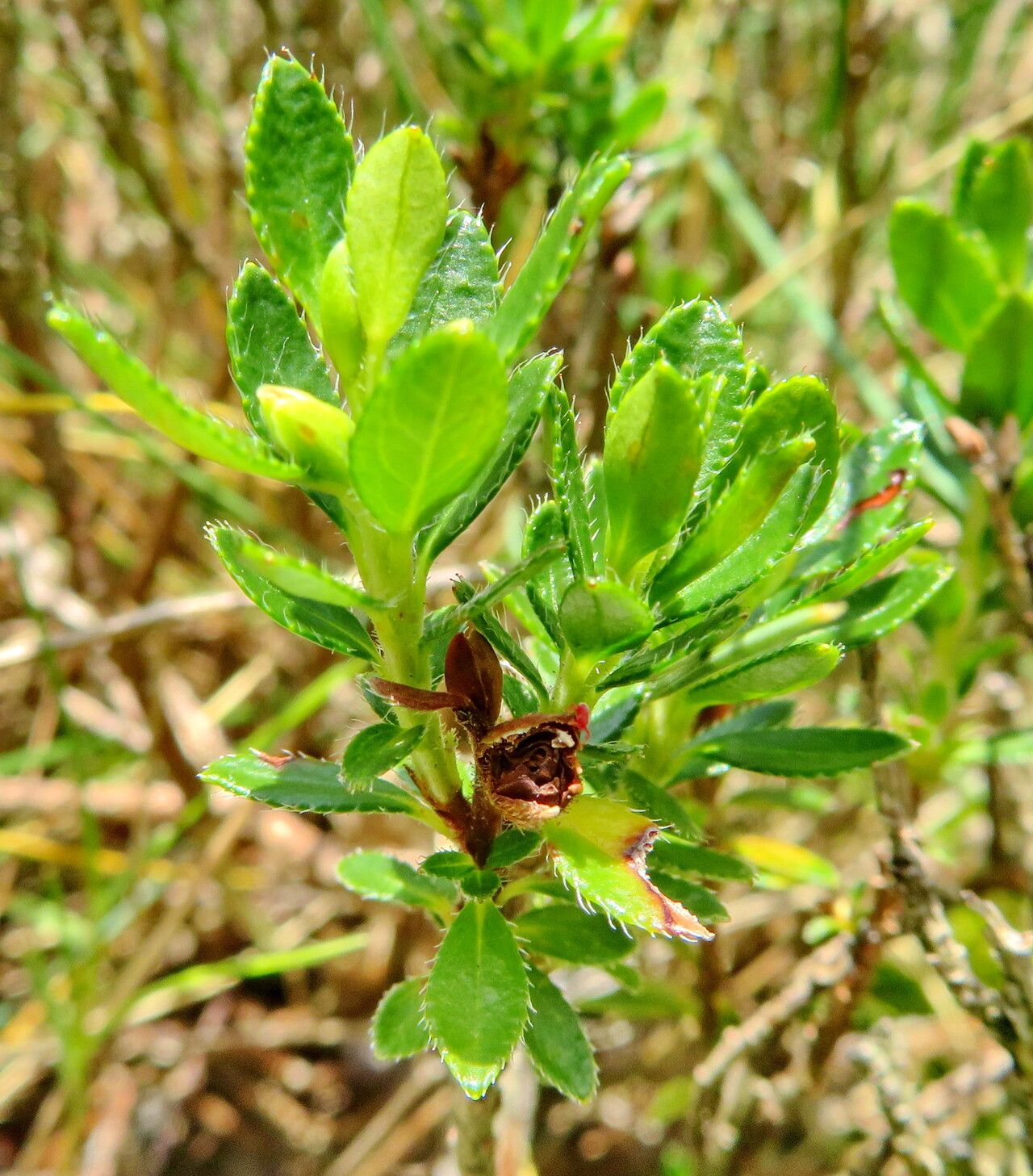
Hello, fellow plant lovers! Today, we’re diving into the delightful world of Rhodothamnus chamaecistus, a charming little shrub that truly brightens up the garden. With its delicate pink blossoms, it’s a joy to behold, and bringing more of these beauties into your life through propagation is incredibly satisfying. If you’re new to plant propagation, Rhodothamnus might present a slight challenge, but don’t let that deter you. With a little patience and some good practices, you’ll be rewarded with successful new plants.
The Best Time to Start
For Rhodothamnus, the late spring to early summer is your prime window. This is when the plant is actively growing, and the new shoots have started to mature a bit – they’re not too soft and floppy, but not woody either. Think of it as the “just right” stage.
Supplies You’ll Need
Gathering your tools beforehand makes the whole process smoother. Here’s what I always have on hand:
- Sharp pruning shears or a clean knife: For making precise cuts.
- Rooting hormone (powder or gel): This really gives your cuttings a boost.
- Potting mix: A blend that’s light and drains well is essential. I often use a mix of peat moss, perlite, and a little sand.
- Small pots or trays: Clean ones, please! Sanitation is key to preventing disease.
- Clear plastic bags or a propagator lid: To maintain humidity.
- Labels: You’ll thank yourself later!
- Watering can with a fine rose: To avoid disturbing your cuttings.
- Optional: Bottom heat mat: This can significantly speed up rooting.
Propagation Methods
Let’s get our hands dirty! I find stem cuttings to be the most reliable method for Rhodothamnus.
Stem Cuttings:
- Select Your Cuttings: Look for healthy, new growth from the current season. You want stems that are about 3-5 inches long and have a few sets of leaves. Gently bend a stem; if it snaps cleanly, it’s usually a good sign it’s ready. Avoid anything that feels too soft or too stiff.
- Make the Cut: Using your clean sharp shears, make a cut just below a leaf node. A node is where a leaf attaches to the stem. This is where roots are most likely to form.
- Prepare the Cutting: Gently remove the lower leaves from the bottom half of the stem. This prevents them from rotting when they’re buried in the soil. You can leave a few leaves at the top to help with photosynthesis. If the remaining leaves are very large, I sometimes snip them in half to reduce water loss.
- Apply Rooting Hormone: Dip the cut end of the stem into your rooting hormone, tapping off any excess.
- Potting Up: Fill your clean pots with your prepared potting mix. Make a small hole in the center with your finger or a pencil, and insert the cutting. Gently firm the soil around the stem to ensure good contact.
- Water Gently: Water the pot thoroughly but gently so the soil is evenly moist.
The “Secret Sauce” (Pro Tips)
Here are a few things I’ve learned over the years that make a real difference:
- Humidity is Golden: Rhodothamnus cuttings love humidity. Once your cuttings are potted, cover the pot with a clear plastic bag or place it in a propagator. Make sure the leaves don’t touch the plastic, as this can lead to rot. I often prop up the bag with a few small sticks.
- Bottom Heat is a Game-Changer: If you can, place your pots on a bottom heat mat. This gentle warmth encourages root development from below, significantly speeding up the process and increasing your success rate. It mimics nature’s warmth far better than just relying on ambient room temperature.
- Cleanliness is Next to Godliness: I can’t stress this enough. Always use sterilized tools and pots. Any lingering bacteria or fungus can quickly spell doom for your delicate cuttings. A quick wash with soap and water and a rinse with diluted bleach works wonders.
Aftercare & Troubleshooting
Once your cuttings are happy and have a humid environment, the waiting game begins!
- Check for Roots: After 4-6 weeks, you can very gently tug on a cutting. If you feel resistance, congratulations, you have roots! You can also look for new leaf growth, which is a good indicator of successful rooting.
- Acclimatize Gradually: Once roots have formed, it’s time to slowly wean them off the high humidity. Gradually open the plastic bag for longer periods each day. If you’re using a propagator, lift the lid for increasing amounts of time.
- Transplanting: When the new plants have a decent root system, you can transplant them into slightly larger pots with a good quality ericaceous compost (they love acidic soil!).
- Common Pitfalls: The biggest enemy here is rot. If your cutting turns mushy or black at the soil line, it’s likely rotted. This is often due to too much moisture and not enough air circulation. If you see this, unfortunately, it’s best to discard it and start again, ensuring you have better drainage and air flow next time. Overwatering is the most common culprit.
A Little Patience Goes a Long Way
Propagating Rhodothamnus might take a bit of effort and a keen eye, but the reward of nurturing a new plant from a tiny cutting is truly special. Don’t get discouraged if your first few attempts aren’t perfect. Each one is a learning experience. Enjoy the journey, breathe in that earthy scent, and soon you’ll have a beautiful collection of Rhodothamnus to share! Happy gardening!
Resource:
https://identify.plantnet.org/k-world-flora/species/Rhodothamnus%20chamaecistus%20(L.)%20Rchb./data