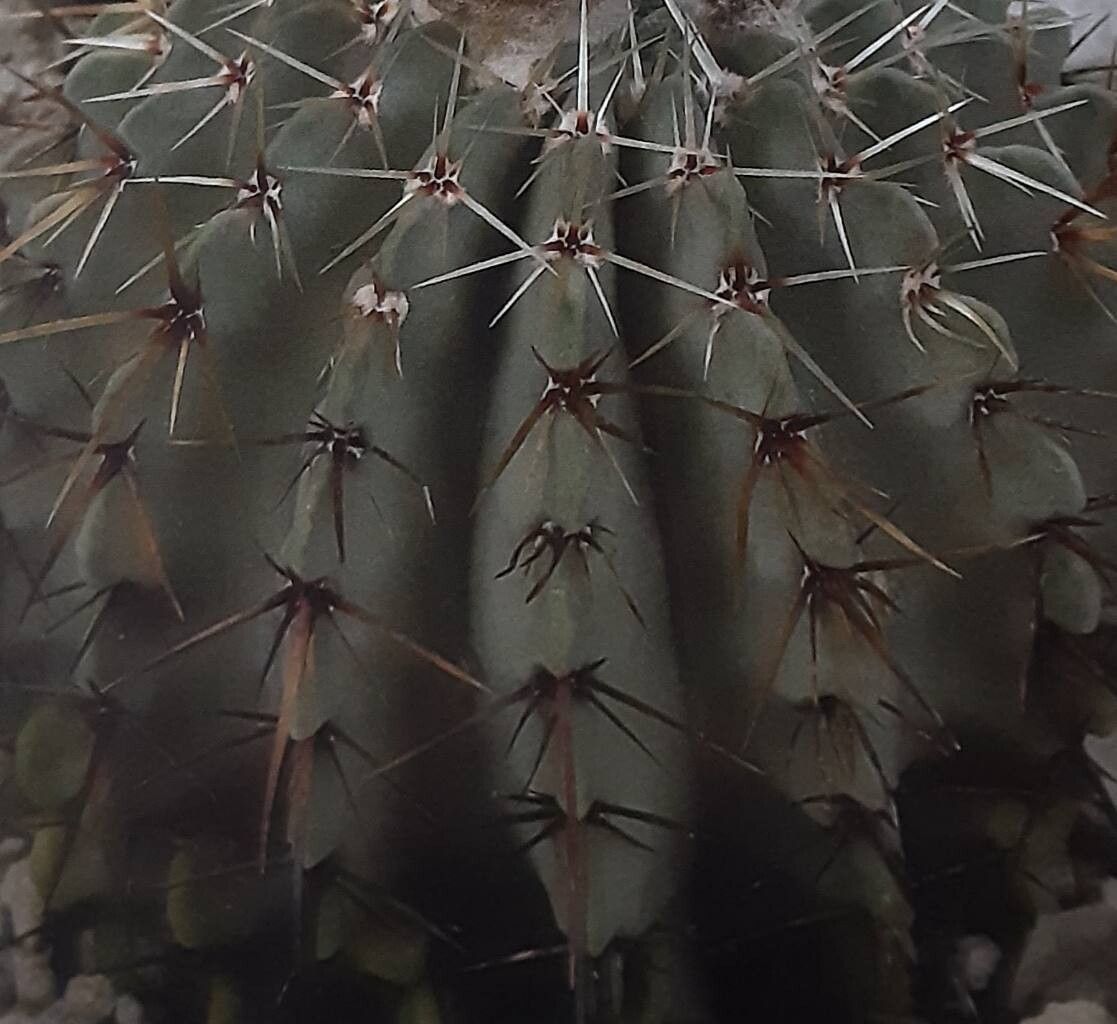
Oh, hello there! Pull up a chair and let’s chat about one of my absolute favorite cacti: Parodia buiningii. Isn’t she a beauty? Those vibrant spines and the way they cluster just make me smile every time. If you’ve fallen in love with this little gem like I have, you’ll be thrilled to know that propagating it is a wonderfully rewarding endeavor. And for anyone wondering, I’d say Parodia buiningii is moderately easy to propagate, making it a great project for those who’ve dabbled a bit in the cactus world.
The Best Time to Start
For the highest chance of success with your Parodia buiningii, you want to catch it during its active growing season. This typically falls in the late spring and throughout the summer. You’ll see new growth pushing out, and the plant will have plenty of energy to dedicate to forming roots on its cuttings. Avoid trying to propagate during its dormancy in winter.
Supplies You’ll Need
Before we get our hands dirty, let’s gather our tools. Here’s what I always keep on hand for propagating cacti:
- Well-draining potting mix: A cactus and succulent blend is perfect, or you can mix your own with compost, perlite, and coarse sand.
- Clean, sharp pruning shears or a knife: Sterilize them with rubbing alcohol to prevent spreading any nasties.
- Rooting hormone (optional but recommended): A powdery or gel form really gives cuttings a boost.
- Small pots or trays: Terracotta pots are great because they allow the soil to dry out faster.
- Gravel or perlite for drainage: A layer at the bottom of pots helps immensely.
- Gloves: For obvious cactus-y reasons!
- A watering can with a fine rose or a spray bottle: Gentle watering is key.
Propagation Methods
The most common and successful way to propagate Parodia buiningii is through offsets. This cactus tends to produce little baby plants, or offsets, that emerge from its base. They’re like nature’s perfect little starter plants!
- Locate the offsets: Gently inspect your Parodia buiningii for any small pups growing around the main body of the plant.
- Carefully detach the offset: Using your sterilized knife or shears, make a clean cut as close to the base of the offset as possible. This ensures you get a good portion of the offset, and ideally, it will already have some tiny roots forming.
- Allow to callus: This is a crucial step! Place the detached offset in a dry, well-ventilated spot away from direct sunlight for a few days to a week. You’ll see the cut end dry and form a hard, protective scab, or callus. This prevents rot when you plant it.
- Plant the offset: Prepare your small pots with your cactus mix and a layer of gravel or perlite at the bottom. Make a small hole in the soil and gently place the callused end of the offset into the soil. You don’t need to bury it too deeply, just enough for it to stand upright.
- Resist watering immediately: After planting, do not water. Wait at least a week or even two. The offset needs time to settle in, and watering too soon can encourage rot in the undeveloped roots.
The “Secret Sauce” (Pro Tips)
Now, for a couple of my tried-and-true secrets that make a real difference:
- The “Bottom Heat” Trick: If you can, place your newly potted offsets on a gentle heating mat designed for seedlings or propagation. Cacti absolutely love warmth, and a little bit of bottom heat encourages root development much faster. Just make sure it’s not too hot – think of it as a cozy, warm hug for your new plant.
- Air Circulation is Your Friend: Once rooted, when you’re watering, ensure there’s good airflow around your young plants. Stagnant air can be a breeding ground for fungal issues. I often use a small fan on a low setting pointed away from the plants, just to keep the air moving.
Aftercare & Troubleshooting
Once your Parodia buiningii offset shows signs of rooting – this usually means a gentle tug doesn’t move it, or you might even see a tiny bit of new growth – you can start watering very sparingly. Water only when the soil is completely dry, and do so thoroughly. You can gradually increase watering frequency as the plant grows.
The biggest culprit for failure with cacti is rot, usually caused by overwatering or a lack of drainage. If you notice your offset becoming mushy, blackening, or developing soft spots, it’s likely rot. Unfortunately, this is often fatal. Prevention is key, so good drainage and careful watering are your best defenses. If you catch it early, you might be able to cut away the rotted parts and let the healthy bit callus again, but I wouldn’t hold my breath.
A Encouraging Closing
Growing new plants from cuttings is such a wonderfully satisfying experience. It connects you deeper with your plants and allows you to share these beauties with others. Be patient with your Parodia buiningii offsets. They work on their own timeline. Keep them warm, happy, and on the drier side, and before you know it, you’ll have a whole new collection to admire! Happy propagating!
Resource:
https://identify.plantnet.org/k-world-flora/species/Parodia%20buiningii%20(Buxb.)%20N.P.Taylor/data