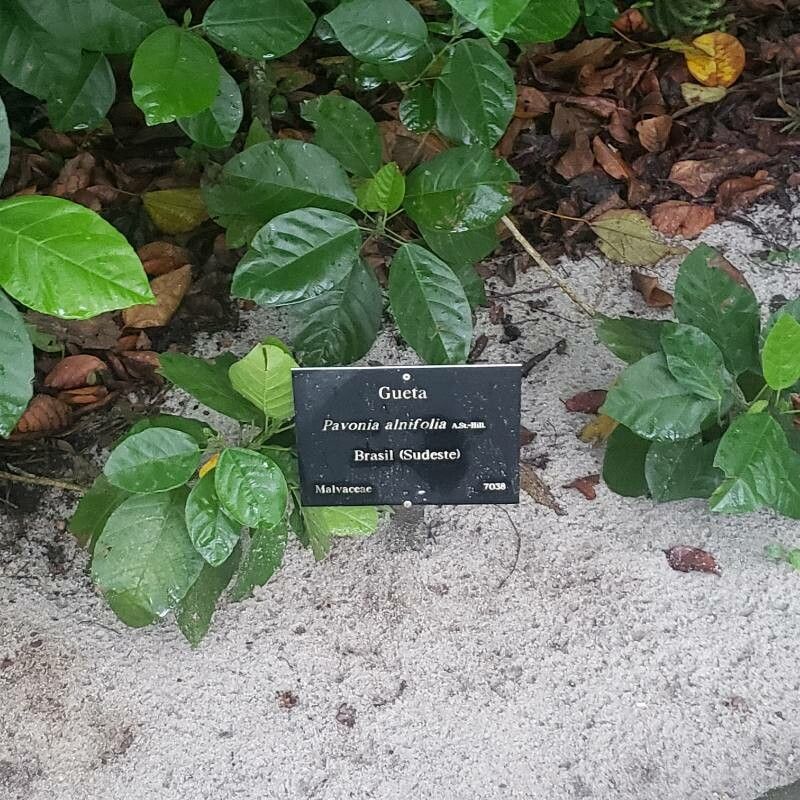
Hello there, fellow plant enthusiasts! Today, I want to chat about a truly charming little bloom that’s been stealing hearts in my garden for years: Pavonia alnifolia. If you’re looking for a plant that offers delicate, hibiscus-like flowers with a generous bloom time, all wrapped up in a tidy, shrubby package, then you’re in for a treat. And the best part? Sharing its beauty by propagating it is incredibly rewarding. Don’t worry if you’re new to the plant world; Pavonia alnifolia is a wonderfully forgiving plant to get started with.
The Best Time to Start
For the highest success rate with Pavonia alnifolia, I’ve found that spring and early summer are your golden windows. This is when the plant is bursting with new growth and has plenty of energy to put into developing roots. You’re essentially trying to mimic nature’s natural propagation cycle, and this vibrant time of year is perfect for that.
Supplies You’ll Need
Before we get our hands dirty, let’s gather our supplies. Think of this as your propagation toolkit!
- Sharp Pruning Shears or a Knife: Clean cuts are crucial.
- Rooting Hormone (Optional but Recommended): This can give cuttings a helpful boost.
- Well-Draining Potting Mix: A good blend for us is one part peat moss, one part perlite, and one part vermiculite. You can also find commercial seed-starting mixes that work well.
- Small Pots or Seedling Trays: Clean ones, please!
- Plastic Bags or a Clear Dome: To create a humid environment.
- Watering Can with a Fine Rose: For gentle watering.
- Labels and a Marker: So you don’t forget what you’ve planted!
Propagation Methods
Pavonia alnifolia is quite amenable to propagation, and I usually have the best luck with stem cuttings. It’s straightforward and gives you a fantastic success rate.
Stem Cuttings:
- Select Your Cuttings: Look for healthy, non-flowering shoots on your parent plant. Aim for stems that are about 4-6 inches long. Gently twist or snip them off, making sure to include at least two leaf nodes (where the leaves attach to the stem).
- Prepare the Cuttings: Carefully remove the lower leaves, leaving just a couple at the very top. This prevents them from rotting once you’ve planted them. If your leaves are quite large, you can even cut them in half horizontally to reduce water loss through transpiration.
- Apply Rooting Hormone (if using): Dip the cut end of each stem into your rooting hormone, tapping off any excess.
- Plant Your Cuttings: Fill your chosen pots with your well-draining potting mix. Make a small hole with your finger or a pencil in the center of each pot.
- Insert and Firm: Gently place each cutting into the hole, making sure at least one leaf node is below the soil line. Firm the soil gently around the base of the cutting to ensure good contact.
- Water Gently: Give your cuttings a light watering to settle the soil.
The “Secret Sauce” (Pro Tips)
Now, for a couple of tricks I’ve learned over the years that can really make a difference.
- Humidity is Key: Pavonia alnifolia cuttings love to stay moist. Once you’ve planted your cuttings, cover the pot with a clear plastic bag or a propagation dome. This creates a miniature greenhouse! Make sure the leaves aren’t touching the sides of the bag, as this can encourage rot. You can use a few skewers to prop up the bag if needed.
- Bottom Heat is Your Friend: While not strictly essential for Pavonia, using a heat mat underneath your pots can significantly speed up root formation. It mimics the warmth of spring soil, giving those developing roots a real kickstart.
Aftercare & Troubleshooting
Once your cuttings are planted and nestled in their humid little homes, patience is your best friend!
Keep the soil consistently moist but not waterlogged. Check it every few days. If you see condensation building up heavily on the inside of your plastic bag or dome, open it up for a few hours to let things air out a bit.
The first sign that your cuttings are happy campers will be new leaf growth. This usually happens within 4-8 weeks. Once you see this, you’re well on your way! You can slowly start to acclimate them to open air by gradually removing them from their covers over a week or two.
The most common issue you might encounter is rot. If a cutting turns black and mushy at the base, it’s unfortunately a goner. This often points to too much moisture or poor air circulation. Don’t be discouraged! Just remove the affected cutting and check your watering habits.
A Little Encouragement
Propagating Pavonia alnifolia is such a satisfying journey. There’s a unique thrill in nurturing a tiny cutting into a beautiful, established plant. So, grab your shears, get your hands a little dirty, and enjoy the process. Your patience will be rewarded with more of these delightful blooms to share and enjoy! Happy gardening!
Resource:
https://identify.plantnet.org/k-world-flora/species/Pavonia%20alnifolia%20A.St.-Hil./data