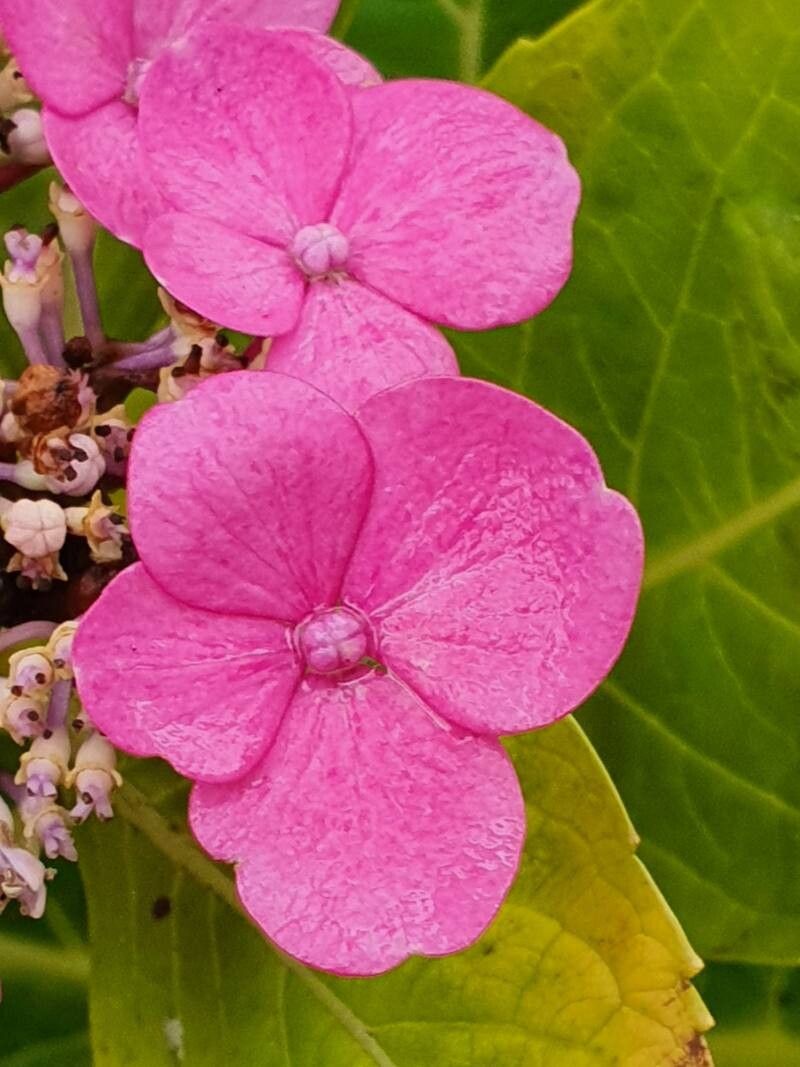
Oh, Hydrangea serrata! If you’re looking for a hydrangea that offers that delicate, lace-cap beauty and a touch of elegance to your garden, you’ve found it. These beauties, often called mountain hydrangeas, are just a tad more refined than their mop-head cousins. And the best part? They’re surprisingly rewarding to propagate. Don’t worry, they’re not overly tricky, making them a lovely plant for a beginner keen to expand their garden family.
The Best Time to Start
For me, the sweet spot for taking hydrangea cuttings is late spring to early summer. That’s when the plant is in a good growth spurt, and the stems are developing nicely. You want to look for new growth that’s become slightly firm but isn’t woody yet – what we often call “semi-hardwood.” It’s flexible enough to root easily but strong enough to hold its own.
Supplies You’ll Need
Before we get our hands dirty, let’s gather our tools:
- Sharp pruning shears or a clean, sharp knife: Essential for making clean cuts.
- Rooting hormone (powder or liquid): This gives your cuttings a helpful boost.
- A good potting mix: I like to use a blend of peat moss, perlite, and a bit of compost. Something that drains well is key.
- Small pots or seed trays: Clean ones are a must to prevent disease.
- Plastic bags or a propagator lid: To keep humidity high.
- Watering can with a fine rose: For gentle watering.
- Optional: Small heating mat: For that “secret sauce” I’ll tell you about later!
Propagation Methods
Let’s dive into how we can coax new life from your Hydrangea serrata.
Stem Cuttings: My Go-To Method
This is my absolute favorite way to propagate hydrangeas. It’s tried and true!
- Take Your Cuttings: In late spring or early summer, select healthy, non-flowering shoots from your mature plant. Using your clean shears, cut a piece about 4-6 inches long, making the cut just below a leaf node (where a leaf attaches to the stem).
- Prepare the Cuttings: Gently remove the lower leaves, leaving just one or two at the very top. If the leaves are quite large, I’ll often snip them in half to reduce water loss.
- Apply Rooting Hormone: Dip the cut end of each stem into your rooting hormone, tapping off any excess. This helps stimulate root development.
- Pot Them Up: Fill your small pots with your well-draining potting mix. Make a hole in the center with your finger or a pencil. Insert the cutting, making sure the nodes where you removed the leaves are below the soil surface. Gently firm the soil around the stem.
- Water Gently: Water the soil thoroughly but gently. You don’t want to disturb the cuttings.
- Create a Humid Environment: Cover the pot loosely with a plastic bag or place it in a propagator. This traps moisture and creates the humid environment a cutting needs to survive before it has roots. Keep it out of direct sunlight.
Water Propagation (A Little More Hands-On)
While I prefer soil, some folks love seeing the roots develop in water.
- Take and Prepare Cuttings: Follow steps 1 and 2 from the stem cutting method above.
- Place in Water: Put the cuttings in a clean jar or vase filled with water. Make sure the leaf nodes where you removed the leaves are submerged, but try to avoid having the remaining leaves touch the water. This can lead to rot.
- Change Water Regularly: Change the water every few days to keep it fresh and prevent bacterial growth.
- Wait for Roots: You’ll start to see tiny white roots appearing from the nodes in a few weeks. Once the roots are about an inch long, it’s time to pot them into soil using the method described above.
Division: For Mature Plants
If you have a well-established, clump-forming Hydrangea serrata, you can divide it.
- Dig Carefully: In early spring, before new growth really takes off, carefully dig around the base of the plant.
- Lift the Clump: Gently lift the entire plant out of the ground.
- Separate the Roots: You can often tease the root ball apart with your hands. If it’s stubborn, a clean spade or a sharp knife can help you make divisions. Aim for each section to have a healthy set of roots and a few stems.
- Replant Immediately: Replant your divisions into their new spots or pots, watering them in well.
The “Secret Sauce” (Pro Tips)
Here are a few things I’ve picked up over the years that really seem to make a difference:
- Bottom Heat is Your Friend: If you’re serious about success with cuttings, placing your pots on a gentle heating mat can significantly speed up root formation. It mimics the warmth of spring soil and gives those tiny roots a cozy place to grow.
- Don’t Overwater, But Don’t Let Them Dry Out: It’s a delicate balance. For cuttings in soil, the mix should feel like a wrung-out sponge. Too much water leads to rot, too little and they’ll desiccate. Check them regularly.
- Patience with Water Cuttings: When you move water-propagated cuttings into soil, don’t be tempted to water them heavily right away. The roots are still getting used to their new medium. Water them sparingly for the first week or so, just enough to keep the soil slightly moist.
Aftercare & Troubleshooting
Once you see new leaf growth on your cuttings, it’s a great sign! This means roots are forming.
- Acclimatize Gradually: If you’ve covered your cuttings with plastic, start by taking the cover off for a few hours each day to let them adjust to drier air.
- Move to Larger Pots: Once they’ve established a good root system and are actively growing, you can transplant them into slightly larger pots.
- Watch for Rot: The most common problem is rot, which usually happens from overwatering or poor drainage. If your cutting turns black and mushy, it’s likely lost. Don’t be discouraged; just start again. Sometimes, a cutting will just wither and dry out – this means it couldn’t establish roots.
A Encouraging Closing
Propagating Hydrangea serrata is such a satisfying experience. It’s a wonderful way to fill your garden with more of these lovely plants, or to share them with friends. Remember, not every cutting will make it, and that’s perfectly normal. Just embrace the process, learn from each attempt, and enjoy the journey of coaxing new life from your garden treasures. Happy propagating!
Resource:
https://identify.plantnet.org/k-world-flora/species/Hydrangea%20serrata%20(Thunb.)%20Ser./data