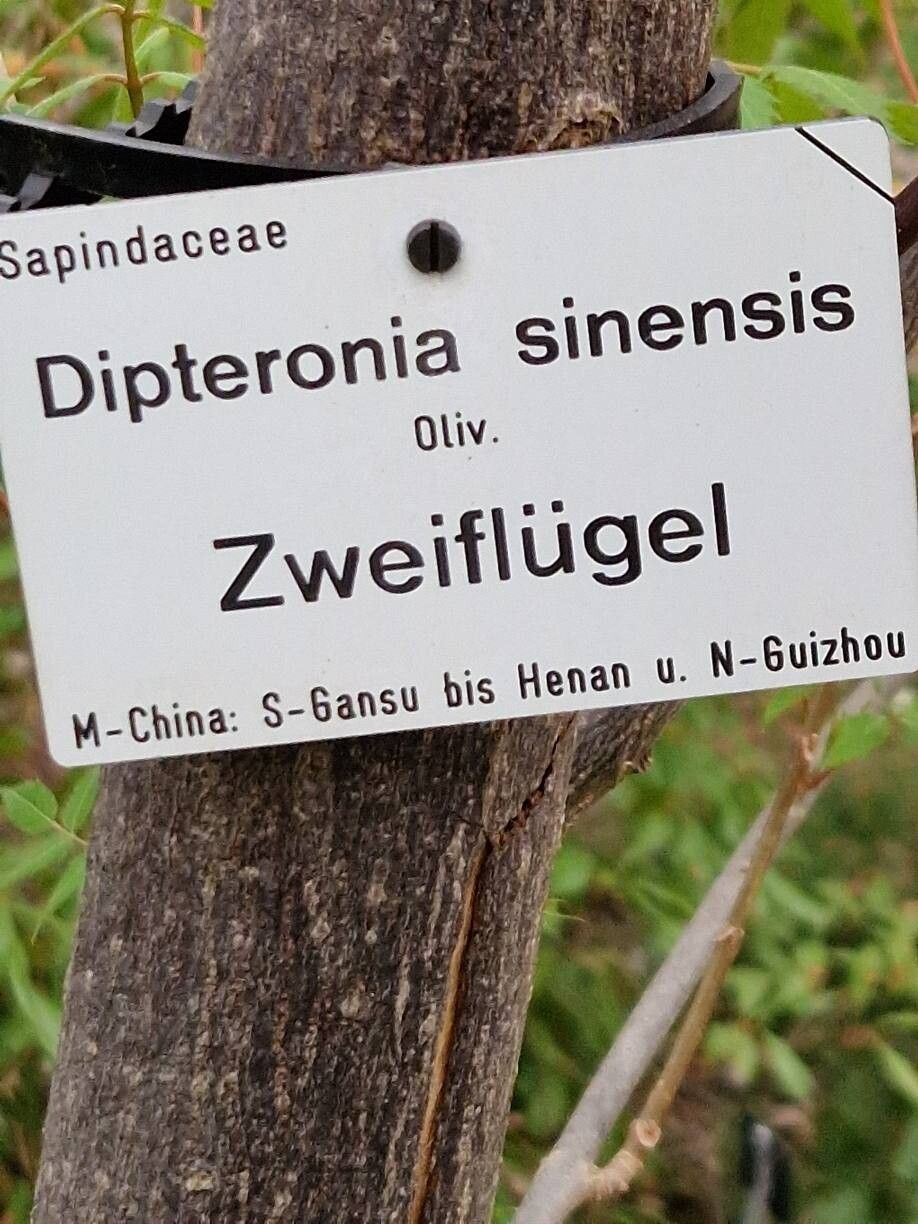
Hello fellow garden enthusiasts! Today, we’re going to dive into the wonderful world of propagating Dipteronia sinensis. You know, that stunning tree with its unique, winged samaras that flutter down like little decorations? It’s really something special, adding a touch of exotic flair to any landscape. Growing these beauties from scratch is incredibly satisfying, a real testament to your green thumb. Now, I won’t sugarcoat it – Dipteronia sinensis can be a bit of a trickster to propagate for absolute beginners. It requires a little patience and attention to detail, but trust me, the reward is well worth the effort!
The Best Time to Start
Timing is everything in the garden, and for Dipteronia sinensis, late spring to early summer is your golden window. You want to be working with semi-ripe cuttings. This means the stem is starting to firm up but can still be bent without snapping. Think of it like this: it’s not a soft, brand-new shoot, nor is it wood that’s become too hard and lignified. This stage offers the best balance of flexibility and the ability to readily form roots.
Supplies You’ll Need
To give your Dipteronia cuttings the best chance, gather these essentials:
- Sharp, clean pruning shears or a sharp knife: A clean cut is crucial to prevent disease.
- Rooting hormone powder or gel: This isn’t strictly necessary but significantly boosts your success rate.
- A well-draining potting mix: I like a blend of one part perlite, one part peat moss, and one part coarse sand. You can also find pre-made propagation mixes.
- Small pots or a propagation tray: Clean pots are key!
- Plastic bags or a propagator lid: To maintain humidity.
- A dibber or pencil: For making planting holes.
- Watering can with a fine rose: Gentle watering is a must.
Propagation Methods: Taking Stem Cuttings
This is generally the most reliable way to get new Dipteronia plants. Let’s walk through it step-by-step:
- Select your parent plant: Choose a healthy, vigorous Dipteronia that looks robust and free from pests or diseases.
- Take the cuttings: Using your clean shears or knife, take cuttings that are about 4-6 inches long. Make your cut just below a leaf node (where the leaf meets the stem). This is where rooting hormones are most effective.
- Prepare the cuttings: Gently remove the lower leaves, leaving just a couple at the top. If the leaves at the top are quite large, you can tip them in half to reduce water loss through transpiration.
- Dip in rooting hormone: Moisten the cut end of the stem slightly and then dip it into your rooting hormone, tapping off any excess.
- Pot them up: Fill your small pots or tray with your prepared potting mix. Use your dibber or pencil to make a hole, and then insert the cutting, firming the soil gently around it. You want the leaf nodes to be buried.
- Water gently: Water thoroughly but gently, ensuring the soil is evenly moist.
- Create a humid environment: Cover the pots with a plastic bag, securing it with a rubber band or the lid of your propagator. Make sure the plastic doesn’t touch the leaves too much!
- Place in a bright spot: Find a location that gets bright, indirect light. Avoid direct sun, as it can scorch the tender cuttings.
The “Secret Sauce”
Here are a couple of my tried-and-true tips that make a real difference:
- Bottom Heat is Your Friend: Dipteronia cuttings love a bit of warmth from below. Placing your pots on a heated propagator mat can significantly speed up root development. You don’t need it blazing hot, just consistently warm to mimic spring soil temperatures.
- Don’t Over-Water, But Don’t Let Them Dry Out: This is a delicate balance. The soil should feel consistently moist but never waterlogged. Swelling or yellowing leaves can be a sign of too much water, while wilting might indicate it’s too dry. Check the soil moisture regularly by gently pressing it with your finger.
Aftercare & Troubleshooting
Once your cuttings start to show signs of rooting – usually new leaf growth after a few weeks to a couple of months – you can begin to acclimatize them.
Gradually remove the plastic cover over a week. Water them as you would a young seedling, allowing the soil to dry slightly between waterings. When they have a good root system and are actively growing, you can pot them up into slightly larger containers.
The most common problem you might encounter is rot. This usually happens from overwatering or poor drainage. If you see a cutting turning black and mushy, unfortunately, it’s likely beyond saving. Remove it immediately to prevent the rot from spreading. If your cuttings just seem to be sitting there without any new growth for a long time, don’t despair! Dipteronia can be slow to root. Patience is key. Just keep them in their humid environment with bright, indirect light and check for any subtle signs of life.
Propagating Dipteronia sinensis is a journey, and like all good gardening adventures, it won’t always be perfect. But with a little care and these tips, you’ll be well on your way to growing your own beautiful Dipteronia trees. Enjoy the process, and happy growing!
Resource:
https://identify.plantnet.org/k-world-flora/species/Dipteronia%20sinensis%20Oliv./data