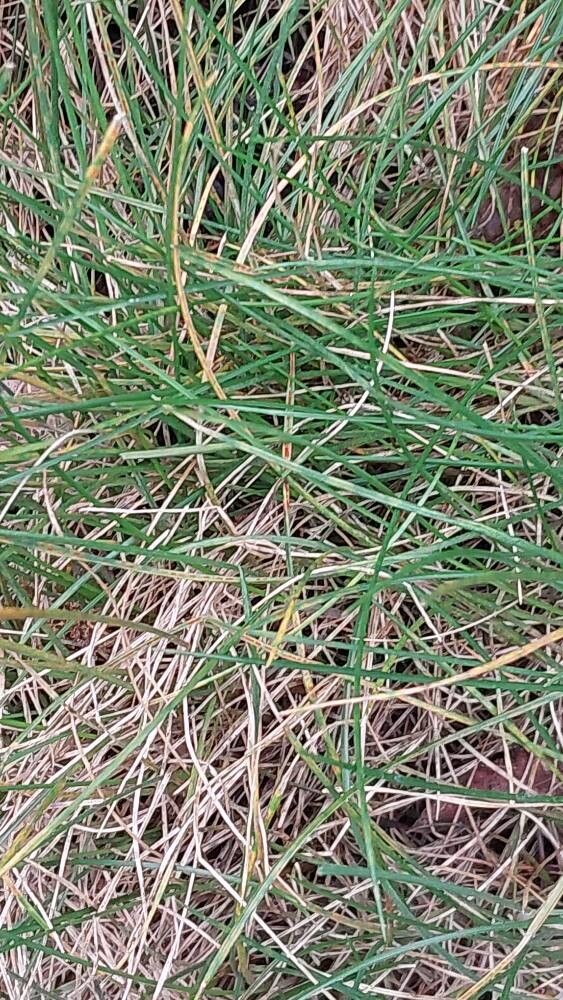
Hello, garden friends! Today, I want to chat about a plant that truly sings in the landscape – Festuca durissima, or as many know it, Hard Fescue. Its fine, architectural blades add a wonderful texture and a touch of wild elegance to any garden. And guess what? Propagating it is a fantastic way to fill your borders or share the joy with friends. It’s a relatively straightforward plant to work with, making it a great one for those dipping their toes into propagation for the first time.
When to Get Your Hands Dirty
The sweet spot for propagating Festuca durissima is early spring. Think about right after the last frost, when the plant is just waking up and bursting with new growth. This is when it has the most energy to channel into creating those precious roots. You can also have success with divisions in the fall, but spring is my go-to for cuttings and seed.
Your Propagation Toolkit
Here’s what you’ll want to have on hand:
- Sharp, clean pruning shears or a sharp knife: For making clean cuts.
- Rooting hormone powder or gel: This is optional but can significantly boost success.
- Small pots or trays: With drainage holes, of course!
- A well-draining potting mix: I like to use a blend of equal parts seed-starting mix and perlite for excellent aeration. Some gardeners also swear by a mix of peat moss and sand.
- A spray bottle: For gentle misting.
- A small shovel or trowel: For digging up divisions.
- Labels: To keep track of what’s what!
Bringing New Fescues to Life
Festuca durissima is most commonly propagated through division. It’s a plant that naturally forms clumps, and splitting these is a fantastic way to increase your stock.
- Dig Carefully: In early spring, gently dig up your established Festuca durissima plant. Try to get as much of the root ball as you can without causing too much damage.
- Inspect and Separate: Once the plant is out of the ground, you might be able to see natural divisions. If not, gently pull the clump apart with your hands. You want each section to have a good amount of roots and some healthy foliage. If the roots are really tangled, you can use a clean knife or trowel to help separate them.
- Replant Immediately: Get your new divisions into their own pots or directly into their new garden spots as soon as possible. Water them in well.
While less common for this particular fescue to be grown from stem cuttings from a mature plant, some gardeners do experiment. For that, the process would look more like this:
- Take Cuttings: Using your clean shears, take 4-6 inch cuttings from healthy, new growth in the spring. Make the cut just below a leaf node.
- Prepare the Cutting: Remove the lower leaves from the cutting, leaving just a few at the very top. If you’re using rooting hormone, dip the cut end into it.
- Plant the Cutting: Fill your small pots with your well-draining potting mix. Make a small hole with a pencil or your finger and insert the cutting. Gently firm the soil around it.
- Mist and Cover: Water the soil lightly. You can then cover the pot with a clear plastic bag or a propagator lid to create a humid environment.
My Little Secrets
- Bottom Heat for Cuttings: If you’re trying stem cuttings, popping them onto a propagation mat can make a world of difference. That gentle warmth encourages root development from below.
- Don’t Drown the Divisions: When you replant your divisions, make sure the soil drains well. Overwatering is the quickest way to invite root rot, and nobody wants that!
- Patience with Cuttings: If you’re doing stem cuttings, be patient! It can take several weeks for roots to form. Gently tug on a cutting; if there’s resistance, you’ve got roots!
Aftercare and What to Watch For
Once your divisions are planted or your cuttings show signs of rooting, you’ll want to continue providing consistent moisture. Keep the soil consistently moist but not waterlogged. Mist the cuttings regularly if you have them covered. As they establish, you can gradually introduce them to more normal conditions.
The biggest challenge you’ll encounter is rot. If you see your cuttings wilting and turning mushy, or if your divisions seem to be dying back despite watering, it’s likely rot. This is usually a sign of too much moisture and poor drainage. Discard any affected material and ensure your potting mix is airy.
Happy Growing!
Propagating Festuca durissima is a rewarding journey. Whether you’re dividing a large clump or experimenting with cuttings, watching new life emerge is truly special. Be patient with the process, enjoy the hands-on nature of it, and soon you’ll have even more of that gorgeous fescue to enjoy. Happy gardening!
Resource:
https://identify.plantnet.org/k-world-flora/species/Festuca%20durissima%20(Hack.)%20Kerguélen/data