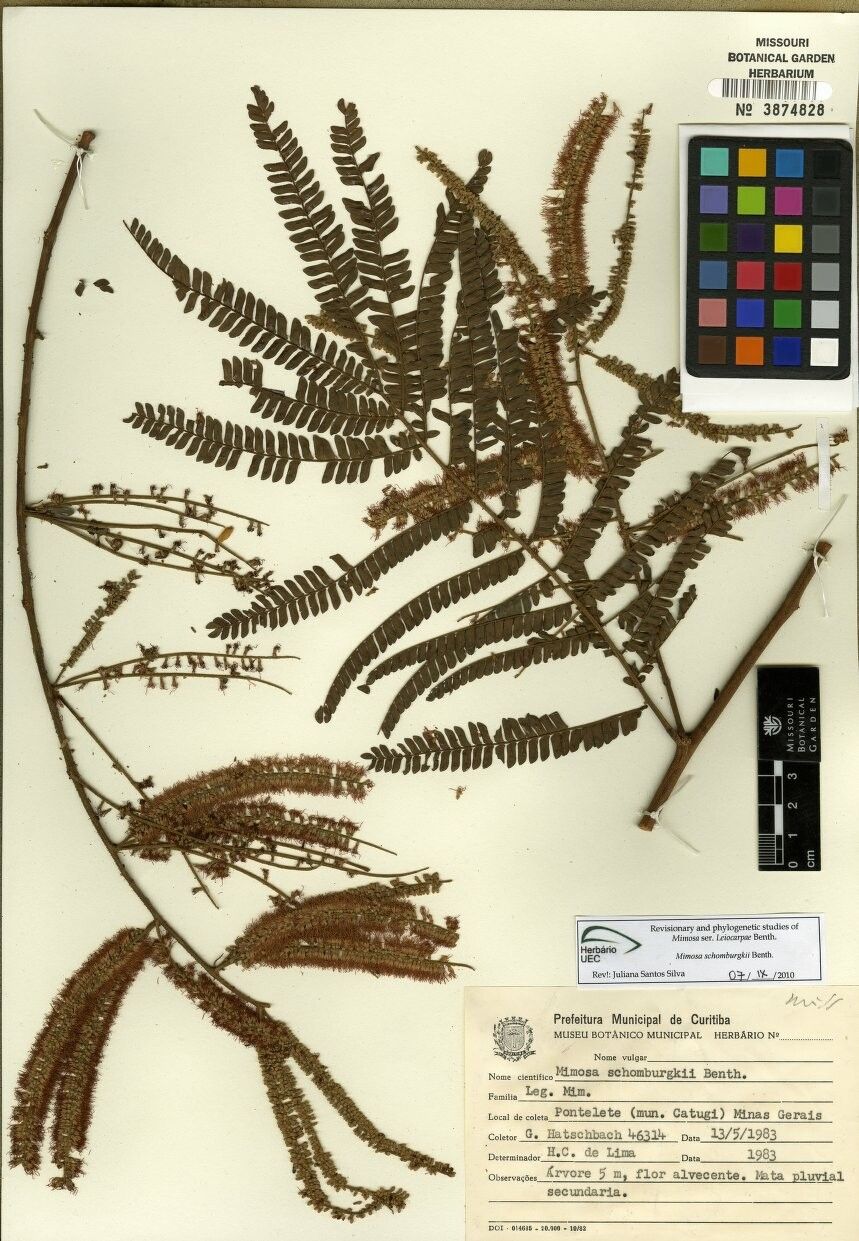
Hello fellow plant lovers! Isn’t Mimosa schomburgkii just a dream? Those delicate, fern-like leaves and the way they fold up at night – it’s pure magic. And the best part? Having more of this beauty to share or to fill your home with is incredibly rewarding. If you’re thinking about giving propagation a whirl, I’m here to tell you, it’s a very achievable goal, even if you’re just starting your green journey.
The Best Time to Start
For the highest success rates with our Mimosa schomburgkii, spring and early summer are your golden windows. This is when the plant is actively growing and has the energy to push out new roots. You’re looking for stems that are firm but not woody – think of it like a pencil that’s not too soft and not too hard.
Supplies You’ll Need
Getting your setup ready is half the battle. Here’s what I always have on hand:
- Sharp pruning shears or a clean knife: Make sure they’re sterilized with rubbing alcohol to prevent disease.
- Potting mix: A well-draining mix is crucial. I often use a blend of equal parts peat moss, perlite, and a bit of coco coir. Some people swear by a cactus/succulent mix too.
- Small pots or propagation trays: Clean ones, of course! Whatever you choose, make sure they have drainage holes.
- Rooting hormone (optional but recommended): This really gives your cuttings a competitive edge.
- Watering can or spray bottle: For gentle watering.
- Plastic bag or propagation dome: To create a humid environment.
- Sand or gravel (for water propagation): To keep cuttings upright.
Propagation Methods
Let’s get our hands dirty!
Stem Cuttings
This is my go-to method for Mimosa schomburgkii.
- Take your cuttings: Select a healthy stem. Using your sterilized shears, cut a piece about 4-6 inches long, just below a leaf node (where a leaf attaches to the stem).
- Prepare the cutting: Gently remove the lower leaves, leaving just a few at the top. This prevents them from rotting in the soil. If your cutting is very long, you can even cut it in half horizontally to make two smaller cuttings with fewer leaves.
- Apply rooting hormone: Dip the cut end into your rooting hormone. Just a light dusting is all you need.
- Plant your cutting: Fill your pot with the prepared potting mix. Make a small hole with your finger or a pencil. Insert the cutting into the hole and gently firm the soil around it.
- Water and cover: Water the soil thoroughly but gently. Then, cover the pot with a plastic bag or propagation dome. Make sure the plastic doesn’t touch the leaves too much.
Water Propagation
This is a visually satisfying method!
- Prepare the cutting: Take a stem cutting as described above, removing the lower leaves.
- Place in water: Fill a small jar or glass with clean water. You can add a bit of sand or gravel to help keep the cutting upright if needed. Crucially, make sure none of the leaves touch the water. Only the bare stem should be submerged.
- Find a good spot: Place the jar in bright, indirect light.
- Change the water: Change the water every few days to keep it fresh and prevent bacterial growth.
The “Secret Sauce” (Pro Tips)
Here are a few things I’ve learned over the years that make a difference:
- Bottom heat is your friend: If you can, place your pots on a seedling heat mat. This gentle warmth from below encourages root development like nothing else. Mimosa especially loves a cozy foot!
- Don’t rush the transplant: When propagating in soil, wait until you see roots peeking out of the drainage holes before you attempt to transplant. For water propagation, wait for roots that are at least an inch long. Patience here prevents early heartbreak.
- Morning misting is magic: While you want to maintain humidity with the plastic cover, sometimes a gentle misting of the leaves in the morning while the sun isn’t too strong can give them a little energy boost and help them stay plump.
Aftercare & Troubleshooting
Once your baby Mimosa schomburgkii starts to show signs of life – like new leaf growth – it’s time for a bit more careful nurturing.
- Gradually acclimatize: If you’ve used a plastic bag or dome, slowly start to remove it over a few days. Open it for an hour, then two, gradually increasing the time. This helps the new plant adjust to the normal humidity levels.
- Watering: Keep the soil consistently moist but not soggy. The “finger test” is your best friend: stick your finger about an inch into the soil. If it feels dry, it’s time to water.
- Light: Continue to provide bright, indirect light. Avoid direct, harsh sunlight, which can scorch the delicate new leaves.
Now, what if things go wrong? The most common issue is rot. This usually happens when the soil is too wet for too long or if you used a non-sterile setup. Your cutting might turn mushy or black. If you see this, unfortunately, it’s best to discard the cutting and start fresh with a clean pot and mix. Another sign of struggle is wilting that doesn’t recover with watering – this can sometimes indicate the cutting hasn’t rooted yet and is just thirsty, or it might be a sign of stress. Don’t be discouraged if you lose a few!
A Encouraging Closing
Propagating plants is a journey, and it’s filled with beautiful learning experiences. Don’t be disheartened if your first attempt isn’t perfect. Every cutting you try is a step towards mastering the art. Take a deep breath, enjoy the process, and soon you’ll be surrounded by even more of your beloved Mimosa schomburgkii. Happy propagating!
Resource:
https://identify.plantnet.org/k-world-flora/species/Mimosa%20schomburgkii%20Benth./data