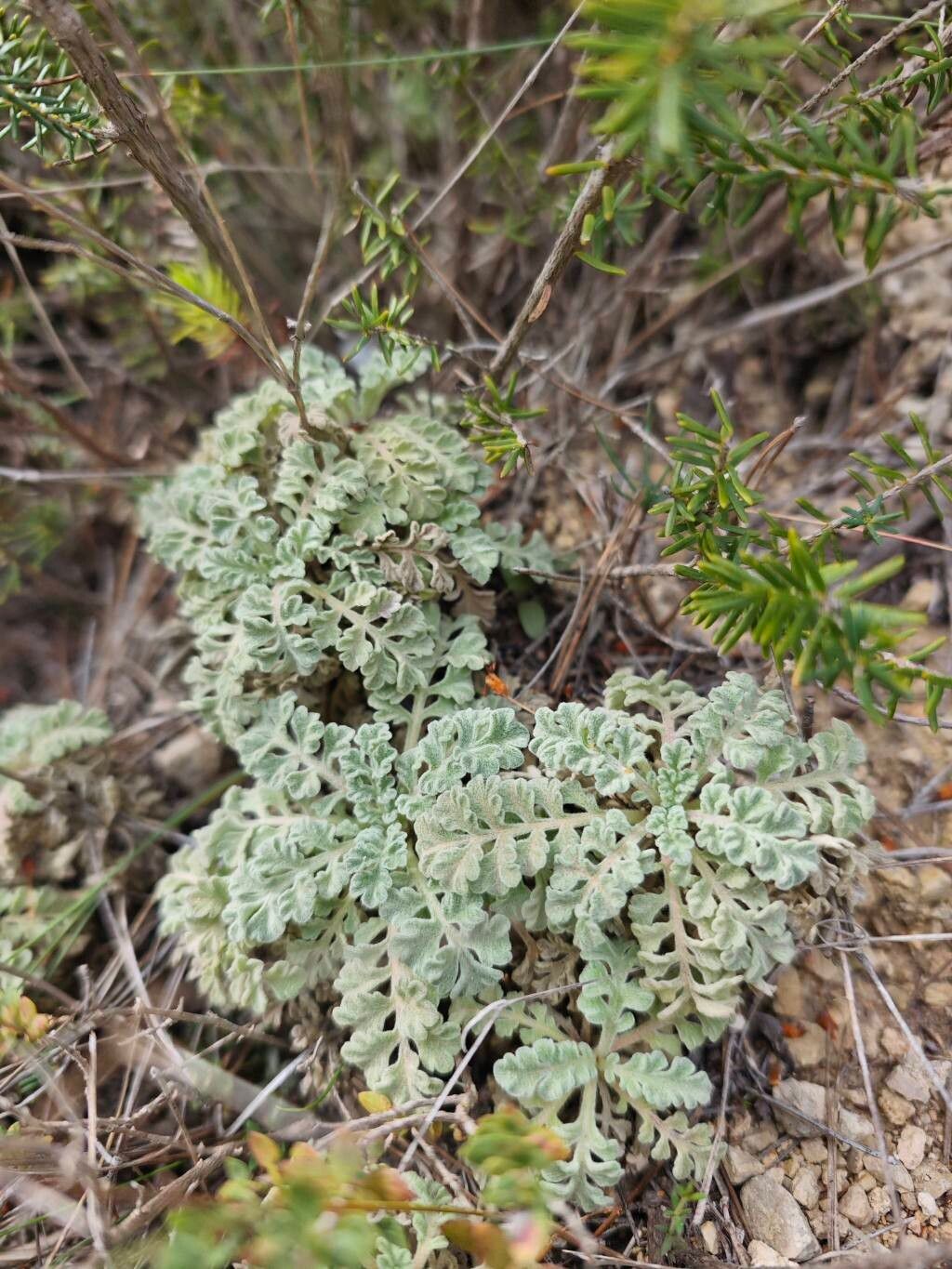
Hello fellow plant lovers! Today, we’re diving into a truly delightful task: propagating Scabiosa turolensis. If you’ve ever fallen for those delicate, pincushion-like blooms that dance in the breeze, you know the joy this little plant brings. Growing them from scratch is incredibly rewarding, and I’m here to walk you through it. Don’t worry if you’re new to this; while it requires a little attention to detail, Scabiosa turolensis is quite manageable.
The Best Time to Start
For the best success, I always recommend starting your Scabiosa turolensis propagation in late spring or early summer. This is when the plant is actively growing and has plenty of energy to put into developing new roots. You want to work with healthy, vigorous stems to give your cuttings the best possible start.
Supplies You’ll Need
Gathering your supplies before you begin makes the whole process much smoother. Here’s what I usually have on hand:
- Sharp pruning shears or a clean, sharp knife: For making clean cuts.
- Rooting hormone (optional but recommended): Helps encourage root development.
- Well-draining potting mix: A blend of equal parts peat moss and perlite, or a commercial seed-starting mix works beautifully.
- Small pots or seedling trays: With drainage holes, of course!
- Clear plastic bag or propagation dome: To create a humid environment.
- Watering can or spray bottle: For gentle watering.
- Labels: To keep track of your efforts!
Propagation Methods
While you might find other ways, I’ve found two methods to be most successful for Scabiosa turolensis.
Stem Cuttings
This is my go-to method. It’s efficient and usually yields good results.
- Select your cuttings: Look for healthy, non-flowering stems that are about 4-6 inches long. You want stems that are actively growing but not woody.
- Make the cut: Using your sharp shears or knife, make a clean cut just below a leaf node. A leaf node is where a leaf joins the stem.
- Prepare the cuttings: Gently remove the lower leaves, leaving just a couple of leaves at the tip. This prevents them from rotting in the soil. If your cuttings are long, you can pinch off the very top growing tip – this encourages the plant to branch out.
- Apply rooting hormone (optional): Dip the cut end of each stem into rooting hormone, tapping off any excess.
- Plant the cuttings: Fill your pots or trays with the well-draining potting mix. Make a small hole with a pencil or your finger, and insert the cutting, ensuring the leaf nodes are buried in the soil. Gently firm the soil around the stem.
- Water gently: Water thoroughly, but avoid waterlogging.
Water Propagation
This method is super satisfying to watch, though often slightly slower for this particular plant.
- Prepare your cuttings: Follow steps 1-3 from the stem cuttings method.
- Place in water: Fill a clean jar or glass with lukewarm water. Submerge the cut end of the stem, making sure no leaves are below the waterline. This is crucial to prevent rot.
- Find a good spot: Place the container in a bright location, but out of direct sunlight.
- Change the water: Refresh the water every few days to keep it clean and prevent algae growth.
- Wait for roots: You should start seeing tiny roots emerging from the nodes in a few weeks. Once the roots are about an inch long, you can carefully transplant them into potting mix.
The “Secret Sauce” (Pro Tips)
After years of tinkering, I’ve picked up a few tricks that really seem to make a difference for Scabiosa turolensis.
- Bottom heat is your friend: If you can, place your pots on a heat mat designed for seedlings. This gentle warmth from below can significantly speed up root formation. It mimics the conditions of spring soil heating up.
- Don’t over-water initially: While humidity is key, soggy soil is the enemy. Allow the top inch of soil to dry slightly between waterings. Overwatering is one of the most common reasons cuttings fail.
- Act fast after cutting: Once you’ve taken a cutting from the parent plant, try to get it planted or into water as quickly as possible. Don’t leave them lying around; they can dehydrate before they have a chance to root.
Aftercare & Troubleshooting
Once your cuttings have established roots, it’s time for them to grow into proper plants!
- Acclimate them: If you used a plastic bag or dome, gradually remove it over a few days to let the new plants get used to normal humidity.
- Light and water: Continue to provide bright, indirect light. Water when the top inch of soil feels dry.
- Potting up: Once the new plants have a good root system and are showing new growth, you can pot them up into larger containers or their final garden location.
The most common sign of failure is a cutting that wilt and never recovers, or one that turns black and mushy at the base. This usually points to overwatering and poor drainage. Brown, crispy leaves might mean it’s too dry or getting too much direct sun before it’s ready. Don’t be discouraged if not every cutting makes it; it’s a natural part of the process!
A Encouraging Closing
Propagating Scabiosa turolensis is a wonderful way to multiply your garden’s beauty. Be patient with the process, observe your cuttings closely, and enjoy the magic of new life unfolding. Happy growing!
Resource:
https://identify.plantnet.org/k-world-flora/species/Scabiosa%20turolensis%20Pau/data