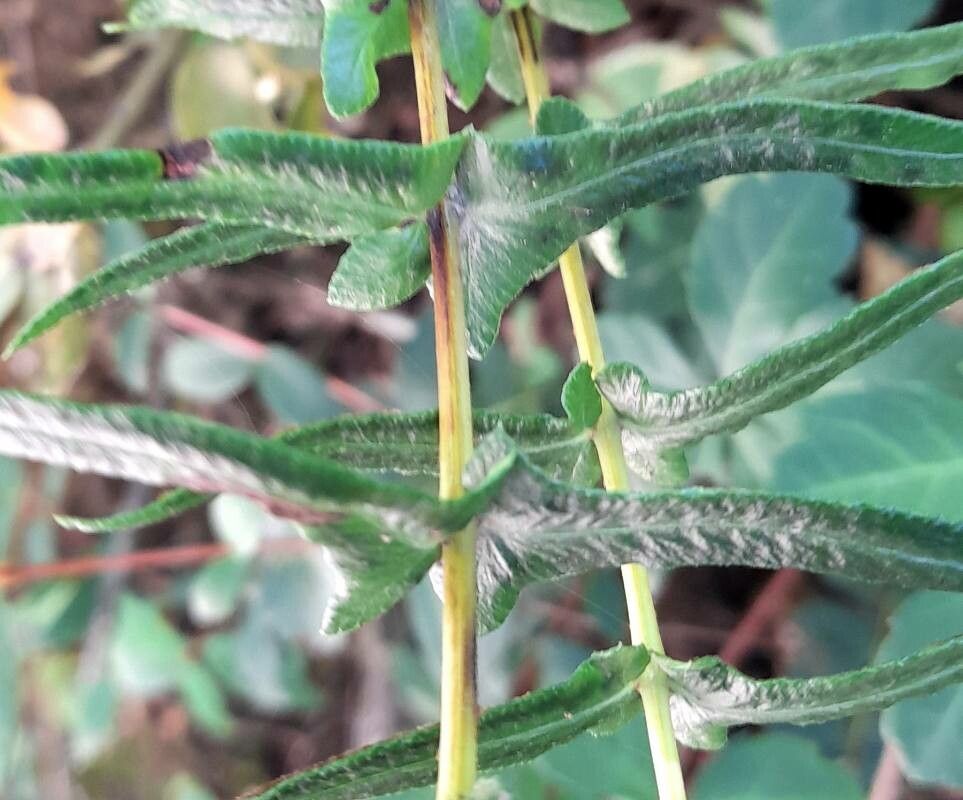
Oh, hello there! So you’ve fallen for the charm of Blechnum hastatum, haven’t you? I don’t blame you one bit. With those elegant, frond-like leaves that have a bit of a hook, like tiny, unfurling question marks, it’s truly a unique addition to any fern collection. And the best part? You can easily bring more of this beauty into your life by propagating it yourself. It’s a wonderfully rewarding experience, and I’m here to guide you through it. Now, Blechnum hastatum isn’t the most finicky fern, but a little patience and the right approach will make all the difference. Think of it as a gentle nudge, rather than a forceful push!
The Best Time to Start
For the highest success rate with Blechnum hastatum, I find spring to be absolutely ideal. This is when the plant is actively growing and has the most energy to dedicate to new growth. You’re looking for new fronds to be emerging, unfurling with vigor. Waiting until after the initial burst of spring growth is often the sweet spot.
Supplies You’ll Need
Gathering your materials beforehand makes the whole process so much smoother!
- Sharp Pruning Shears or a Clean Knife: For making clean cuts.
- Well-Draining Potting Mix: A good blend for ferns is key. I like a mix of peat moss, perlite, and a bit of orchid bark. You want it to hold moisture but not get waterlogged.
- Small Pots or Seedling Trays: Whatever you have available that will hold your cuttings.
- Plastic Bags or a Propagation Dome: To create a humid microclimate.
- Water Mister: For keeping things moist.
- Rooting Hormone (Optional but Recommended): This can give your cuttings a little boost. Look for one formulated for herbaceous plants or ferns.
Propagation Methods
There are a couple of ways to go about this, and division is often the simplest for this particular fern.
Division
This is my go-to for Blechnum hastatum, especially for larger, established plants.
- Gently Remove the Plant: Carefully take your Blechnum hastatum out of its pot. If it’s quite pot-bound, you might need to ease it out with a bit of wriggling.
- Inspect the Roots: Look at the crown of the plant, where the fronds emerge from the rhizome (the underground stem). You’re looking for distinct sections that have their own roots and shoots.
- Divide Carefully: Using your sharp pruning shears or a clean knife, separate the plant into smaller sections. Try to ensure each division has a few healthy roots and at least one or two fronds. If the roots are tangled, you can gently tease them apart with your fingers. Sometimes, a clean cut straight through the rhizome is necessary, and that’s perfectly fine.
- Pot Up Your Divisions: Plant each division into its own pot filled with your well-draining potting mix. Make sure the crown is at soil level.
- Water Thoroughly: Give each pot a good watering to settle the soil around the roots.
Stem Cuttings (More Advanced)
While division is easier, you can try stem cuttings if your plant is a bit more spread out or you want to experiment.
- Select Healthy Stems: Look for young, actively growing stems that are about 3-4 inches long. Avoid old, woody stems.
- Make a Clean Cut: Using your sharp shears, make a cut just below a leaf node. This is where new roots are most likely to form.
- Remove Lower Leaves: Gently strip off the lower leaves, leaving just the top few to help with photosynthesis.
- Apply Rooting Hormone (Optional): Dip the cut end of the stem into your rooting hormone powder, tapping off any excess.
- Plant in Potting Mix: Moisten your potting mix in a seedling tray or small pots. Make a small hole with your finger or a pencil and insert the cutting, ensuring the leaf nodes are below the soil surface. Gently firm the soil around it.
- Create a Humid Environment: Water the soil lightly. Then, cover the pot or tray with a clear plastic bag or place it under a propagation dome. This is crucial for keeping humidity high.
The “Secret Sauce” (Pro Tips)
Here are a few things I’ve learned over the years that can really help!
- When doing stem cuttings, ensure no leaves are touching the water in the pot if you happen to be using water propagation (though I strongly recommend soil for Blechnum hastatum). Leaves submerged will just rot and introduce disease.
- Bottom heat can be a game-changer for stem cuttings. If you have a seedling heat mat, placing your pots on it will encourage root development much faster. It mimics the warmth of spring soil.
- After dividing or potting cuttings, don’t rush to fertilize. Let the plant settle in and begin forming new roots on its own. Wait until you see good new growth before considering a very diluted liquid feed.
Aftercare & Troubleshooting
Once your divisions or cuttings are potted, the real work of nurturing begins!
- Maintain Humidity: Keep the soil consistently moist, but not waterlogged. This is where that plastic bag or propagation dome is your best friend for cuttings. For divisions, just keep the soil lightly damp.
- Provide Indirect Light: Place your new plants in a bright spot that gets indirect sunlight. Direct sun will scorch those delicate new fronds.
- Watch for Roots: For stem cuttings, you should start to see new frond growth within 4-8 weeks. This is a good sign that roots have formed. For divisions, you’ll see the existing fronds perk up and potentially new ones emerging soon.
- Signs of Trouble: The most common problem is rot, which usually comes from overwatering and poor drainage. If the fronds start to look mushy and brown at the base, or if the soil stays soggy long after watering, you might have a rot issue. It’s best to discard any rotting material immediately and ensure your soil drains well. If a cutting completely wilts and never recovers, it likely didn’t establish roots.
A Little Encouragement
Propagating Blechnum hastatum is a bit like nurturing a tiny, green secret. It takes gentle care, a bit of patience, and a whole lot of hope. Don’t get discouraged if a cutting or two doesn’t make it – it’s all part of the learning curve! Celebrate the successes, however small they may seem. Soon, you’ll have more of these delightful ferns to brighten your home. Happy gardening!
Resource:
https://identify.plantnet.org/k-world-flora/species/Blechnum%20hastatum%20Kaulf./data