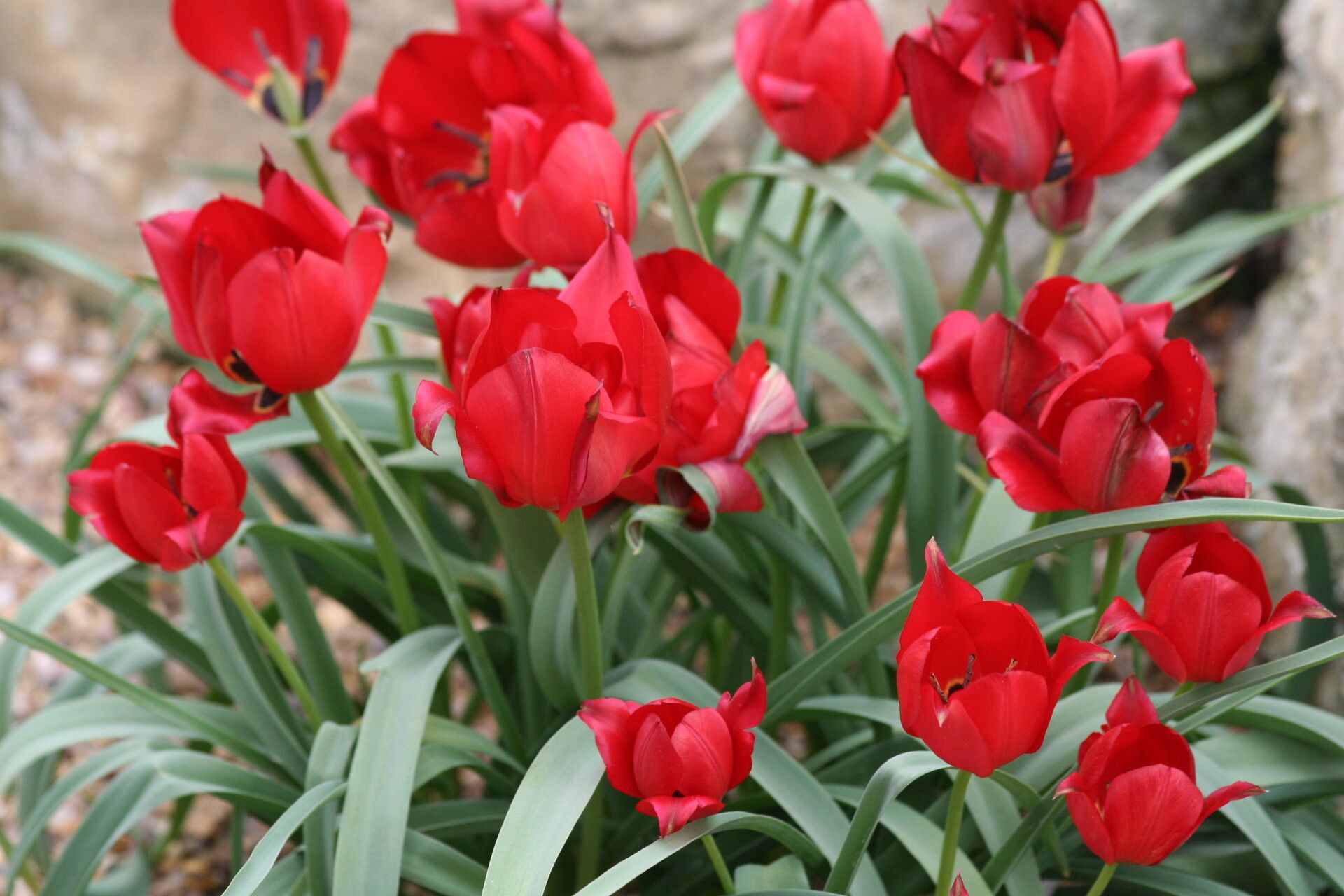
Hello, fellow garden lovers! It’s so wonderful to connect with you again. Today, we’re diving into the delightful world of Tulipa hoogiana, a truly special tulip that brings a touch of elegance and early spring joy. I’ve always been charmed by their graceful form and the way they signal the end of winter. Propagating them yourself is not only an incredibly rewarding experience but also a fantastic way to fill your garden with these beauties without breaking the bank. Now, while some bulbs can be a bit finicky, I’ve found Tulipa hoogiana to be quite manageable. Yes, even for those of you just starting your gardening journey!
The Best Time to Start
The magic happens after the blooms have faded and the leaves have begun to yellow. This is usually late spring or early summer. This is when the bulb has stored up plenty of energy from the sun and is ready to put its efforts into growing, and importantly, producing those precious offsets we’re after. You really want to wait until the foliage has naturally died back. It might feel counterintuitive to leave those wilting leaves, but they’re still feeding the bulb!
Supplies You’ll Need
Here’s a little toolkit to get you started:
- A sharp trowel or small spade
- A dibber or even a sturdy pencil for making holes
- A well-draining potting mix. I prefer a blend of equal parts perlite, peat moss, and good quality compost.
- Small pots or trays with drainage holes.
- A watering can with a fine rose.
- Gardening gloves (optional, but nice for protecting your hands).
Propagation Methods: Division is Key!
For Tulipa hoogiana, the most straightforward and successful method is division. This involves carefully separating the small bulbs, called offsets, that naturally grow around the parent bulb.
- Digging Up the Bulbs: When the foliage has completely died back, it’s time for the excavation. Gently dig around the clump of tulip bulbs with your trowel. Be careful not to damage them! Lift the entire clump out of the ground.
- Cleaning Off the Soil: Once they’re out, gently brush off as much of the soil as you can. You can even rinse them lightly if they’re very muddy, but make sure they dry thoroughly afterward.
- Separating the Offsets: Now for the exciting part! Carefully examine the parent bulb. You’ll see smaller bulbs attached to its sides. Gently twist or pull these offsets away from the main bulb. If they don’t come away easily, a gentle wiggle usually does the trick. You want to separate them into individual bulbs, even the tiny ones. Don’t be discouraged by small bulbs; they might take a little longer to mature, but they’ll get there!
- Discarding the Old Bulb: The parent bulb, now spent from flowering and producing offsets, can often be discarded or composted. It’s unlikely to perform well next year.
- Planting New Bulbs: Find a nice spot in your garden with good drainage and plenty of sun. Use your dibber or pencil to create holes about 4-6 inches deep, depending on the size of the bulb. Place the offsets in the holes, pointed end up. Give them a little space – about 3-4 inches apart.
- Watering In: Gently water the newly planted bulbs. This helps settle the soil around them.
The “Secret Sauce” (Pro Tips)
Here are a few little tricks that have served me well over the years:
- Let Them Breathe: After you’ve dug up and separated the bulbs, don’t rush to replant them. It’s beneficial to let them air dry in a cool, dry, and well-ventilated spot for a day or two. This helps prevent any fungal issues and allows any minor cuts to heal.
- Know Your Soil: Good drainage is non-negotiable for tulips. If your soil tends to hold water, amend it generously with grit or compost before planting your new bulbs. A happy root system is a healthy root system!
- Give Them a Head Start (Optional): For those tiny offsets, sometimes I like to pot them up individually in small pots filled with that well-draining mix. This gives them a bit more protection and allows me to monitor their progress more closely over the first year.
Aftercare & Troubleshooting
Once your Tulipa hoogiana offsets are planted, patience is your best friend. Water them during any dry spells, especially in the first autumn and spring. You might not see flowers from the smallest offsets for a year or two, but that’s perfectly normal! They need time to grow to flowering size.
The biggest challenge you might face is rot. This usually happens if the bulbs are planted in soggy soil or if they’ve been stored in damp conditions. You’ll notice the bulb turning mushy and possibly developing black spots. If you see this, unfortunately, it’s best to remove the affected bulb to prevent it from spreading. Good drainage is your best defense against rot.
A Little Encouragement to Finish
Propagating Tulipa hoogiana is a journey, and like all good things in the garden, it requires a little time and care. Celebrate each new bulb you successfully separate, and look forward to those future blooms. Enjoy the process, the connection to nature, and the beauty you’re cultivating! Happy gardening!
Resource:
https://identify.plantnet.org/k-world-flora/species/Tulipa%20hoogiana%20B.Fedtsch./data