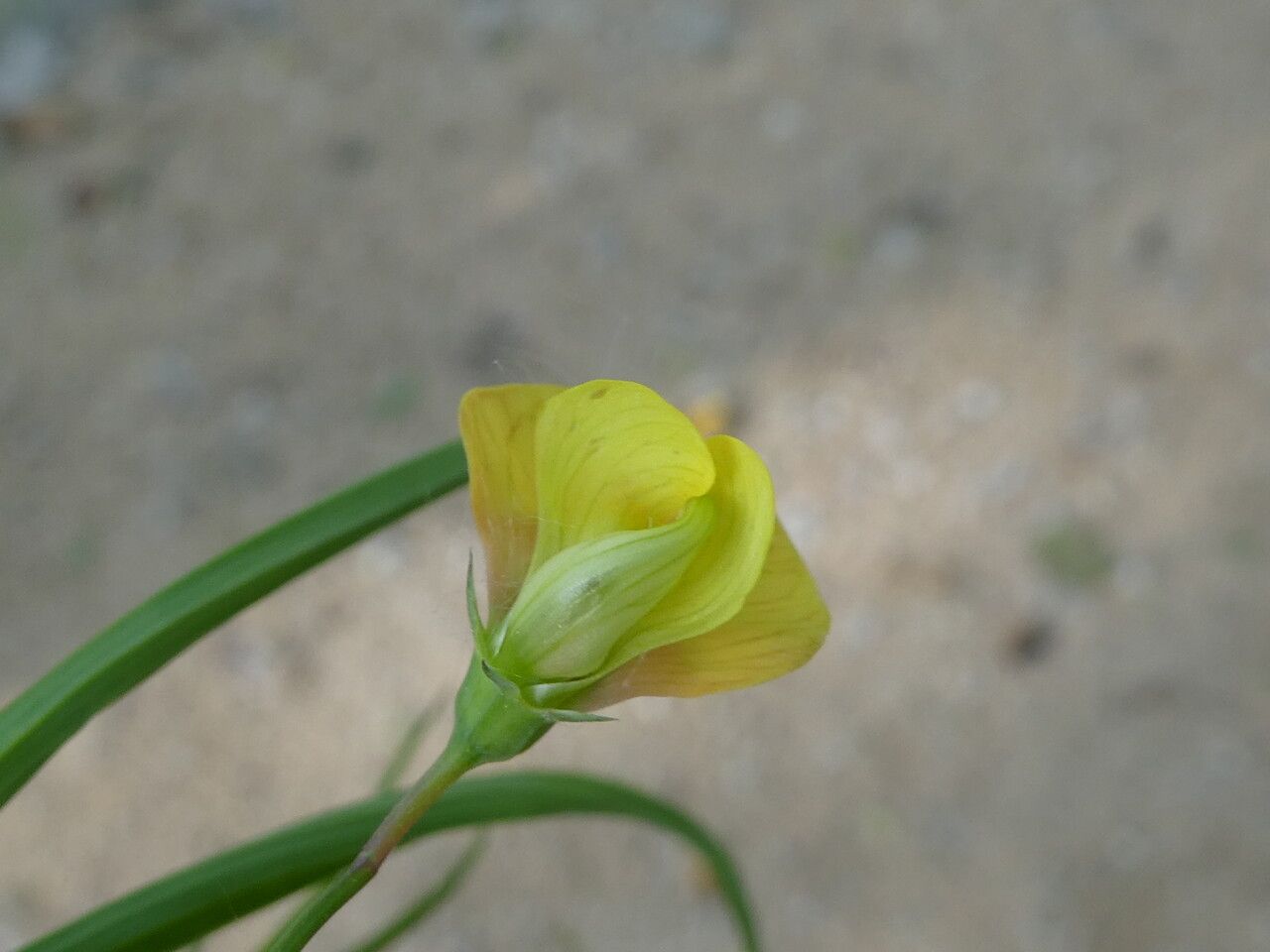
Oh, hello there! I’m so glad you’ve stopped by. Today, we’re going to talk about a real charmer in the garden: Lathyrus annuus, the annual sweet pea. If you love a splash of vibrant color and a delightful scent, then this is a plant for you. And the best part? Propagating it yourself is incredibly rewarding. You’ll feel such a thrill watching a tiny seed or cutting transform into a beautiful bloomer. For beginners, I’d say propagating Lathyrus annuus is quite manageable. With a little patience and some good advice, you’ll be well on your way.
The Best Time to Start
For Lathyrus annuus, we’re going to focus on starting from seed. The absolute sweet spot is in early spring, usually 6-8 weeks before your last expected frost. Starting them indoors at this time gives them a head start and ensures you’ll have strong seedlings ready to go out into the garden once the weather warms up and the danger of frost has passed.
Supplies You’ll Need
Here’s what you’ll want to have on hand to get started:
- Seeds: Fresh Lathyrus annuus seeds, of course!
- Seed Starting Mix: A light, well-draining mix specifically designed for seedlings.
- Seedling Trays or Small Pots: With drainage holes! This is crucial.
- Watering Can with a Fine Rose: To avoid disturbing tender seedlings.
- Labels and a Pen: To mark your varieties and planting dates.
- A Bright, Sunny Window or Grow Lights: Seedlings need plenty of light.
- Optional: Seedling Heat Mat: This can speed up germination, especially if your starting area is on the cooler side.
Propagation Methods: Starting from Seed
The most reliable and straightforward way to propagate Lathyrus annuus is by starting seeds. It’s a classic for a reason!
- Prepare Your Containers: Fill your seed trays or small pots with your seed-starting mix. Gently tap them on the counter to settle the soil, but don’t pack it down too tightly.
- Soaking the Seeds (Optional but Recommended): Sweet pea seeds can sometimes be a bit tough to crack open. I always give mine a good overnight soak in warm water. This helps to soften the seed coat and encourages faster germination. You’ll notice they swell up a bit.
- Sow the Seeds: Plant one or two seeds per cell or pot, about 1 inch deep. If you’re planting two and they both sprout, you can easily thin out the weaker one later.
- Water Gently: Lightly water the soil with your fine-rose watering can. You want the soil to be moist but not waterlogged.
- Provide Warmth and Light: Place your trays in a warm spot. If you have a seedling heat mat, put them on top of that. Once you see the first little green shoots peeking through, it’s essential to move them to a bright location. A south-facing window is great, or set up your grow lights just a few inches above the seedlings.
- Keep Them Moist: Continue to keep the soil consistently moist. As the seedlings grow, you might need to water more frequently.
The “Secret Sauce” (Pro Tips)
I’ve learned a few things over the years that really make a difference!
- Think “Cold Feet”: Sweet peas, believe it or not, often prefer their roots to be a bit cooler than their tops. While we want warmth for germination, once those first leaves appear, a slightly cooler environment (around 50-60°F or 10-15°C) can actually lead to stronger, more compact plants. If your seedling area is too warm, your little guys might get leggy and weak.
- Don’t Be Afraid to Pinch! Once your seedlings have developed their first set of “true leaves” (these are the leaves that look like miniature versions of the adult plant, not the initial round seed leaves), give the tip a gentle pinch. This encourages the plant to branch out, creating a bushier, more robust plant that will produce more flowers. Just snip off the very top with clean scissors or your fingernails.
Aftercare & Troubleshooting
Once your seeds have sprouted and you’ve pinched them back, it’s time for continued care. Keep them in that bright light and ensure the soil stays evenly moist. As they grow, you’ll notice they might start to get a bit tall. If you don’t have room for them indoors much longer, you can gradually start hardening them off a week or two before planting them outside. This means taking them out for short periods in a sheltered spot, gradually increasing the time they spend outdoors.
Now, what if things go wrong? The most common issue is damping off, which is a fungal disease that causes seedlings to suddenly collapse at the soil line. This is usually caused by overwatering and poor air circulation. Make sure your pots have drainage, don’t overwater, and ensure there’s some air movement around your seedlings. If you see yellowing leaves that aren’t related to too much or too little water, it might be a nutrient deficiency, but this is less common with good seed-starting mix in the early stages.
A Encouraging Closing
Starting Lathyrus annuus from seed is such a delightful way to bring these beautiful flowers into your garden. Be patient with your little seedlings. Watch them closely, offering them the light and water they need, and don’t be afraid to pinch them back. Nature has a wonderful way of working its magic, and you’ll be so proud when you see those first buds appear. Enjoy the process, and happy gardening!
Resource:
https://identify.plantnet.org/k-world-flora/species/Lathyrus%20annuus%20L./data