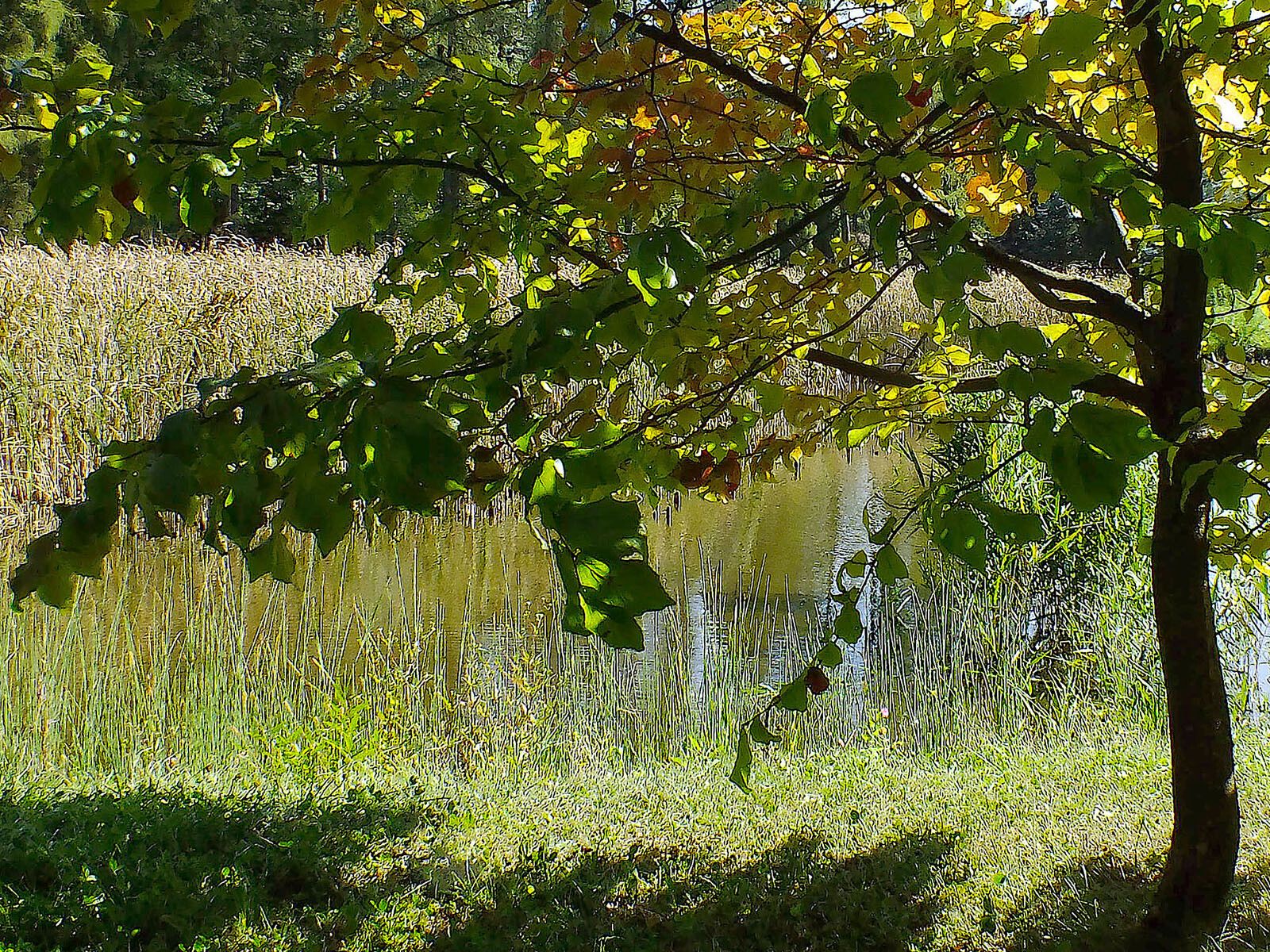
Hello friends, and welcome back to the garden! Today, we’re diving into something truly special: propagating the Japanese Beech, or Fagus japonica. This graceful tree, with its elegant form and lovely autumn color, is a real gem. Growing one from scratch is incredibly rewarding, like raising a tiny forest for your own backyard. While it might sound a bit intimidating, don’t worry – with a little know-how, you can absolutely succeed.
The Best Time to Start
For Fagus japonica, the sweet spot for propagation is late spring to early summer. This is when the plant is actively growing and has plenty of energy to put into root development. We’re looking for semi-hardwood cuttings, which means the stem is starting to firm up but is still flexible. Think of a pencil – it’s not brand new and soft, but it’s not woody and stiff either.
Supplies You’ll Need
Gathering your tools before you begin always makes the process smoother. Here’s what I like to have on hand:
- Sharp, clean pruning shears or a sharp knife: Essential for making clean cuts.
- Rooting hormone: This stuff acts like a little boost for your cuttings. I prefer a powder.
- Potting mix: A light, well-draining mix is key. I often use a blend of perlite and peat moss (about 50/50) or a good quality seed-starting mix.
- Small pots or seed trays: Clean containers are a must.
- Plastic bags or a propagator: To create a humid environment.
- Water mister: For keeping things moist.
- Labels and a pen: So you can remember what you planted!
Propagation Methods
Let’s get our hands dirty with a tried-and-true method: stem cuttings.
- Select Your Cuttings: On a healthy, vigorous Fagus japonica branch, find a stem that fits the semi-hardwood description mentioned earlier. Make your cuts just below a leaf node (where a leaf attaches to the stem). Each cutting should be about 4-6 inches long and have at least two or three leaf nodes.
- Prepare the Cuttings: Gently remove the lower leaves, leaving just a couple at the top. This prevents them from rotting once you pot them up.
- Apply Rooting Hormone: Dip the cut end of each cutting into your rooting hormone, tapping off any excess.
- Plant the Cuttings: Make small holes in your prepared potting mix with a pencil. Insert the cuttings into the holes, making sure the bottom leaf nodes are buried. Gently firm the soil around them.
- Create a Humid Environment: Lightly water the soil. Then, cover the pots with a plastic bag or place them in a propagator. You want to create a mini-greenhouse effect.
The “Secret Sauce”
Here are a couple of little tricks that have really upped my success rate with cuttings:
- Dip in Water First: Before dipping your cuttings in rooting hormone, give the cut end a quick dip in plain water. This helps the hormone adhere better.
- Bottom Heat is Your Friend: If you can, place your pots on a heated propagator mat. A consistent warmth from below (around 70-75°F or 21-24°C) significantly encourages root formation. It’s a game-changer, especially for trickier plants.
Aftercare & Troubleshooting
Once your cuttings are planted, give them a gentle watering and place them in a bright spot, but out of direct sunlight. Keep the soil consistently moist, but not waterlogged. Mist the leaves occasionally.
You’re looking for signs of new growth – tiny leaves or shoots emerging from the top. This usually means roots are forming underneath! Once they’ve established a decent root system (you might see roots peeking out of the drainage holes), you can transplant them into individual pots with regular potting soil.
The most common issue you’ll face is rot. If a cutting turns black and mushy, it’s a sign of too much moisture or not enough air circulation. Sadly, that one is usually a goner, but don’t get discouraged! Just pull it out and disinfect your pot before trying again.
A Encouraging Closing
Propagating a Fagus japonica is a journey. Be patient with yourself and your little plant babies. Enjoy the process of nurturing them, and celebrate every tiny bit of progress. Soon, you’ll have a whole new generation of these beautiful trees to cherish. Happy gardening!
Resource:
https://identify.plantnet.org/k-world-flora/species/Fagus%20japonica%20Maxim./data