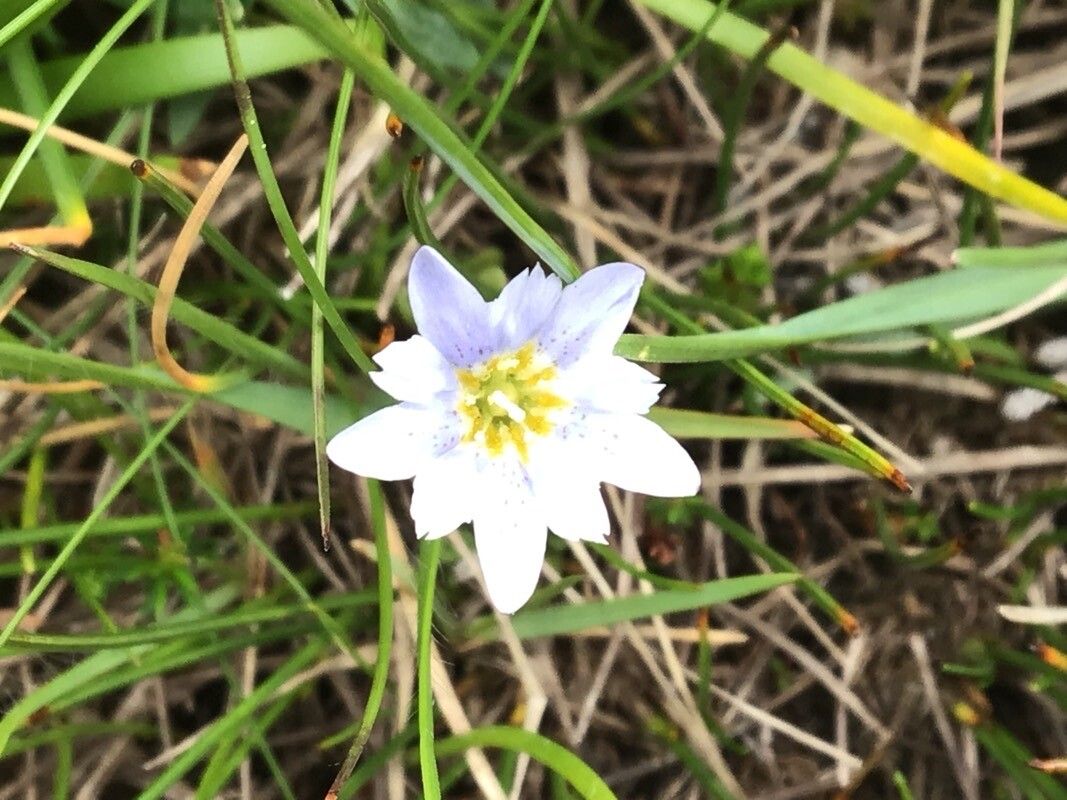
Oh, Gentiana boryi! That’s a special one, isn’t it? With those deep, celestial blue trumpets, it’s like holding a piece of the twilight in your hands. For anyone who loves a bit of alpine magic in their garden, propagating this beauty is incredibly rewarding.
Now, I won’t sugarcoat it – Gentiana boryi can be a bit of a diva, especially for absolute beginners. It enjoys very specific conditions. But don’t let that daunt you! With a little patience and some careful attention, you can absolutely add more of these enchanting blooms to your life.
The Best Time to Start
For the highest success rate with Gentiana boryi, I find that late spring to early summer is the sweet spot. This is when the plant is actively growing, but before things get too hot and potentially stressful for delicate new propagations. Look for plants that are vigorous and healthy, not stressed or wilting.
Supplies You’ll Need
Gathering your tools beforehand makes the whole process smoother. Here’s what I always have on hand:
- Sharp, sterile pruning shears or a clean knife. A clean cut is crucial to prevent disease.
- Rooting hormone powder. While not strictly essential for all cuttings, it can give your Gentiana boryi a helpful boost.
- A well-draining potting mix. I like a mix of 50% perlite and 50% peat moss, or even better, a specialized alpine plant mix. Good drainage is paramount.
- Small pots or seedling trays. Clean pots are a must!
- Plastic bags or a propagator. To maintain humidity around your cuttings.
- A gentle misting bottle. For keeping things moist without waterlogging.
- Small labels for marking. You’ll thank yourself later!
Propagation Methods
Gentiana boryi is most commonly propagated by division or stem cuttings.
Division
This is often the most successful method for established plants.
- Timing is Key: Do this in early spring as soon as the ground starts to warm or in fall after flowering.
- Gently Unearth: Carefully dig up your Gentiana boryi plant. Try to disturb the roots as little as possible.
- Inspect the Root Ball: Gently brush away excess soil so you can see the root structure. Look for natural divisions where the plant is already separating into smaller sections.
- Divide with Care: Using your hands or a clean knife, carefully separate the root ball into smaller sections. Each section should have at least one strong root and a few healthy shoots. My motto here is “more finesse, less force.”
- Replant Immediately: Pot up each division into your well-draining potting mix. Water them in gently. Keep them in a shaded, protected spot for a few weeks to recover.
Stem Cuttings
This method is a bit more hands-on, but very rewarding when it works!
- Select Your Cuttings: In late spring or early summer, take non-flowering, healthy shoots from the parent plant. Aim for cuttings about 3-4 inches long.
- Prepare the Cuttings: Make a clean cut just below a leaf node. Remove the lower leaves, leaving just a few at the tip. This is where the magic happens!
- Apply Rooting Hormone: Dip the cut end into rooting hormone powder, gently tapping off any excess.
- Pot Them Up: Insert the cuttings into your prepared, moist potting mix. Make a small hole with a pencil or your finger to avoid rubbing off the rooting hormone.
- Create a Humid Environment: Water gently and then cover the pots or trays with a plastic bag or lid to create a mini-greenhouse. Make sure the leaves don’t touch the plastic.
- Provide Light and Warmth: Place them in a bright location out of direct sunlight. If you have a heat mat, that’s a bonus – a little bottom warmth can really encourage root development.
The “Secret Sauce” (Pro Tips)
Here are a few things I’ve learned over the years that make a difference:
- Less is More with Watering: Gentiana boryi absolutely detests sitting in wet soil. When you water your cuttings, water thoroughly but infrequently. Always let the top inch of soil dry out a bit before watering again. This is where rot often strikes.
- Airflow is Your Friend (After Rooting): While cuttings need high humidity to start, as soon as you see signs of growth or roots, gradually increase ventilation. Start by opening the plastic cover for a few hours each day. This helps prevent fungal diseases.
- Patience with the Parent: When dividing, if a clump feels stubbornly connected, don’t force it. Sometimes it’s best to leave it and try again next year, or gently tease it apart over a couple of days. Rushing can damage those precious roots.
Aftercare & Troubleshooting
Once your cuttings have developed a good root system (you’ll feel resistance when gently tugging, or see roots peeking out the drainage holes), it’s time to give them a bit more space.
- Transplant Carefully: Gently pot up your rooted cuttings into individual pots with the same well-draining mix.
- Continue with Gentleness: Water them well after transplanting and keep them in a bright, but not blazing hot, location. Continue to water judiciously, allowing the soil to dry slightly between waterings.
- Watch for Rot: The most common sign of trouble is wilting or mushy stems, often starting at the soil line. This is almost always a sign of overwatering. If you see this, remove the affected cutting immediately and check the moisture level of the surrounding soil.
- Pests: Slugs and snails can also be a menace to young Gentians, so keep an eye out.
A Bit of Encouragement
Propagating plants, especially those with a little personality like Gentiana boryi, is a journey. There will be successes, and there will be times when things don’t quite work out. Don’t get discouraged! Each attempt is a learning experience. Just be patient, observe your plants closely, and enjoy the incredible satisfaction of nurturing new life. Happy gardening!
Resource:
https://identify.plantnet.org/k-world-flora/species/Gentiana%20boryi%20Boiss./data