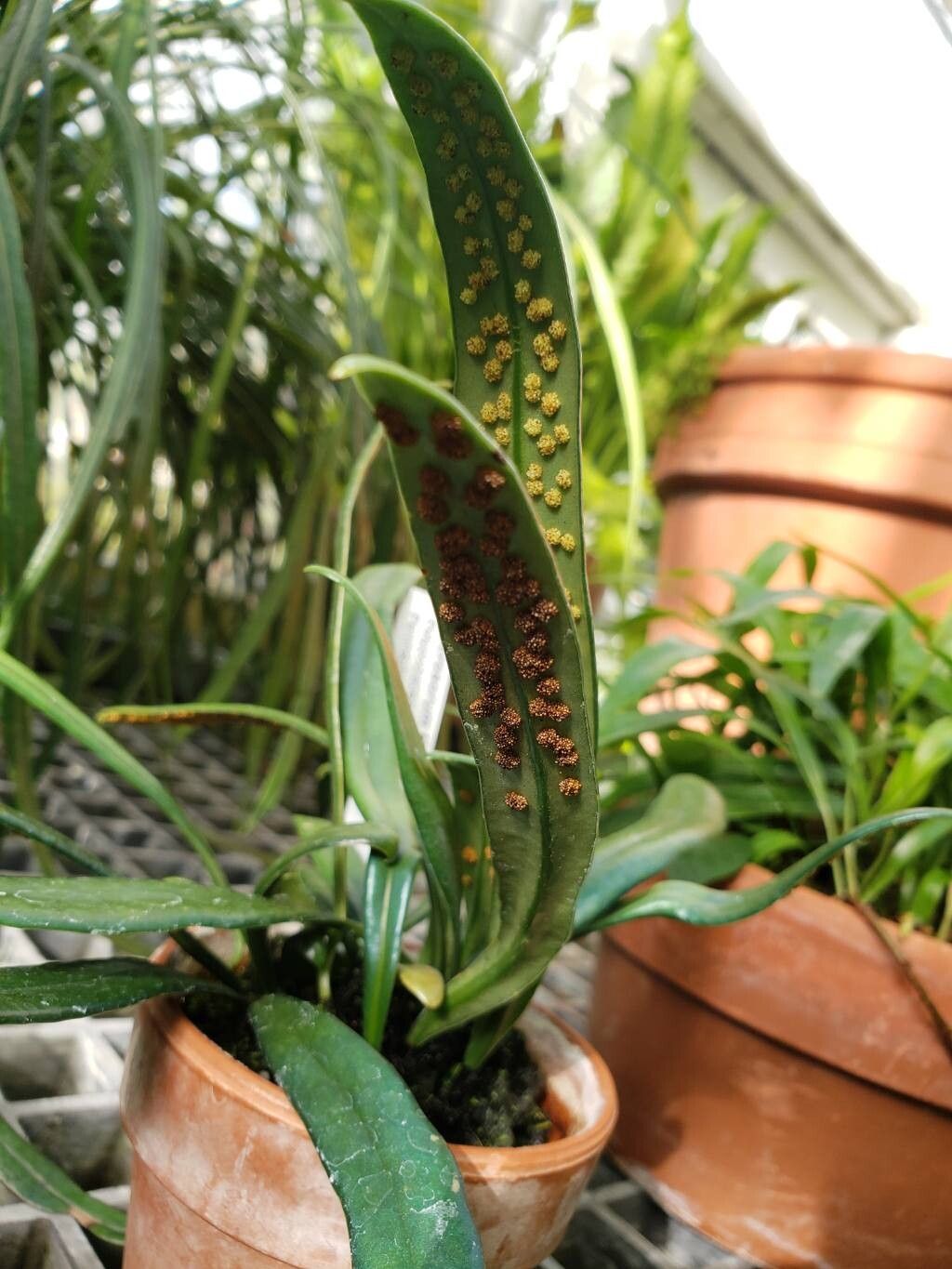
Hey there, fellow plant lovers! Today, we’re diving into the wonderful world of propagating Microsorum thailandicum, also known as the Thai Water Fern. If you’re captivated by its elegant, deeply lobed fronds and the way it adds a touch of the exotic to your indoor jungle, you’re in for a treat. Growing more of these beauties yourself is incredibly rewarding. And the good news? While it’s not quite a “stick it in the ground and forget it” plant, propagating Microsorum thailandicum is quite manageable, even for those of you relatively new to the propagation game.
The Best Time to Start
My favorite time to get plants going is when they’re in their active growing season, and for Microsorum thailandicum, that usually means spring and summer. The warmer temperatures and longer daylight hours give your new cuttings a real boost. You want to propagate when your parent plant is looking healthy and vigorous, not stressed out from a recent repot or pest battle. Think of it as giving your new babies the best possible start.
Supplies You’ll Need
Here’s what you’ll want to gather before you begin:
- Sharp, clean pruning shears or a sharp knife: Crucial for making clean cuts without bruising the stems.
- Well-draining potting mix: I’m a big fan of a mix that includes peat moss or coco coir, perlite, and a bit of orchid bark. This gives it that airy structure ferns love.
- Small pots or propagation trays: Whatever you have on hand should work, as long as they have drainage holes.
- Optional: Rooting hormone: While not always necessary for ferns, it can give your cuttings an extra push. I prefer the powder form.
- Optional: A clear plastic bag or propagation dome: This helps maintain humidity, which is key for ferns.
- Water: Clean, room-temperature water is best.
Propagation Methods
The most common and successful way to propagate Microsorum thailandicum is through division, and sometimes by taking rhizome cuttings.
Division: The Most Reliable Method
- Gently remove the parent plant from its pot. Turn it on its side and tap the pot firmly. If it’s stuck, run a knife around the inside edge.
- Inspect the rhizome. This is the thick, creeping stem that grows along the surface or just below the soil. You’ll see new fronds emerging from it.
- Identify where you can naturally separate the plant. Look for a section of the rhizome that has at least a few healthy fronds and its own root system. You can often gently pull these sections apart with your hands.
- If they’re a little stubborn, use your clean pruning shears or knife to make a clean cut. Ensure each division has healthy roots attached.
- Plant each division in its own pot. Use your well-draining potting mix. Don’t plant it too deep; the top of the rhizome should be at or just slightly below the soil surface.
- Water thoroughly to settle the soil.
Rhizome Cuttings (A bit more advanced, but rewarding!)
- Select a healthy section of the rhizome from your parent plant. It should be at least a couple of inches long and have at least one, ideally two, young fronds emerging from it.
- Make a clean cut with your sharp shears or knife, ensuring you have some roots attached to the cutting if possible.
- Optional: Dip the cut end in rooting hormone.
- Place the rhizome cutting on the surface of your potting mix in a small pot. You can gently press it down so it makes good contact with the soil.
- Keep the soil consistently moist but not waterlogged.
- Cover the pot with a clear plastic bag or propagation dome to create a humid environment.
The “Secret Sauce”
You know, after all these years, I’ve learned a few things that really make a difference.
- When you’re doing rhizome cuttings, make sure the rhizome is actually touching the soil, or very close to it. It needs that direct contact to form new roots. Don’t bury it deeply!
- Ferns absolutely adore humidity. If you’re using the plastic bag trick for your rhizome cuttings, open it up for a few minutes each day to let in some fresh air and prevent mold. It’s like giving them a little breather.
- Bottom heat can be a game-changer for coaxing roots to form, especially on rhizome cuttings. A gentle seedling heat mat set on low can speed things up considerably. Just make sure the pot isn’t sitting directly in water on the mat.
Aftercare & Troubleshooting
Once your new divisions or cuttings are potted, keep their soil consistently moist but never soggy. They’ll need bright, indirect light – think of a shady spot under a larger tree outdoors if you had one, or a north-facing window indoors.
If you’ve covered them with a bag or dome, gradually introduce them to less humid conditions once you start seeing new frond growth. Don’t be in a rush – let them acclimate slowly.
The most common issue you might encounter is rot. This usually happens if the soil stays too wet or if there’s not enough air circulation. If you see fronds turning yellow and mushy, or the rhizome becoming dark and soft, it’s a sign of rot. Immediately remove the affected parts with clean shears and try to let the remaining plant dry out slightly. Sometimes, it’s a lost cause, and that’s okay – it happens to the best of us! Sometimes, a cutting just doesn’t take, and that’s part of the learning process.
Happy Propagating!
Watching a new plant emerge and grow from a piece of its parent is one of the most satisfying experiences in gardening. Be patient with your Microsorum thailandicum cuttings. They might take their sweet time, but the reward of seeing those delicate fronds unfurl is well worth the wait. Enjoy the journey, and happy growing!
Resource: