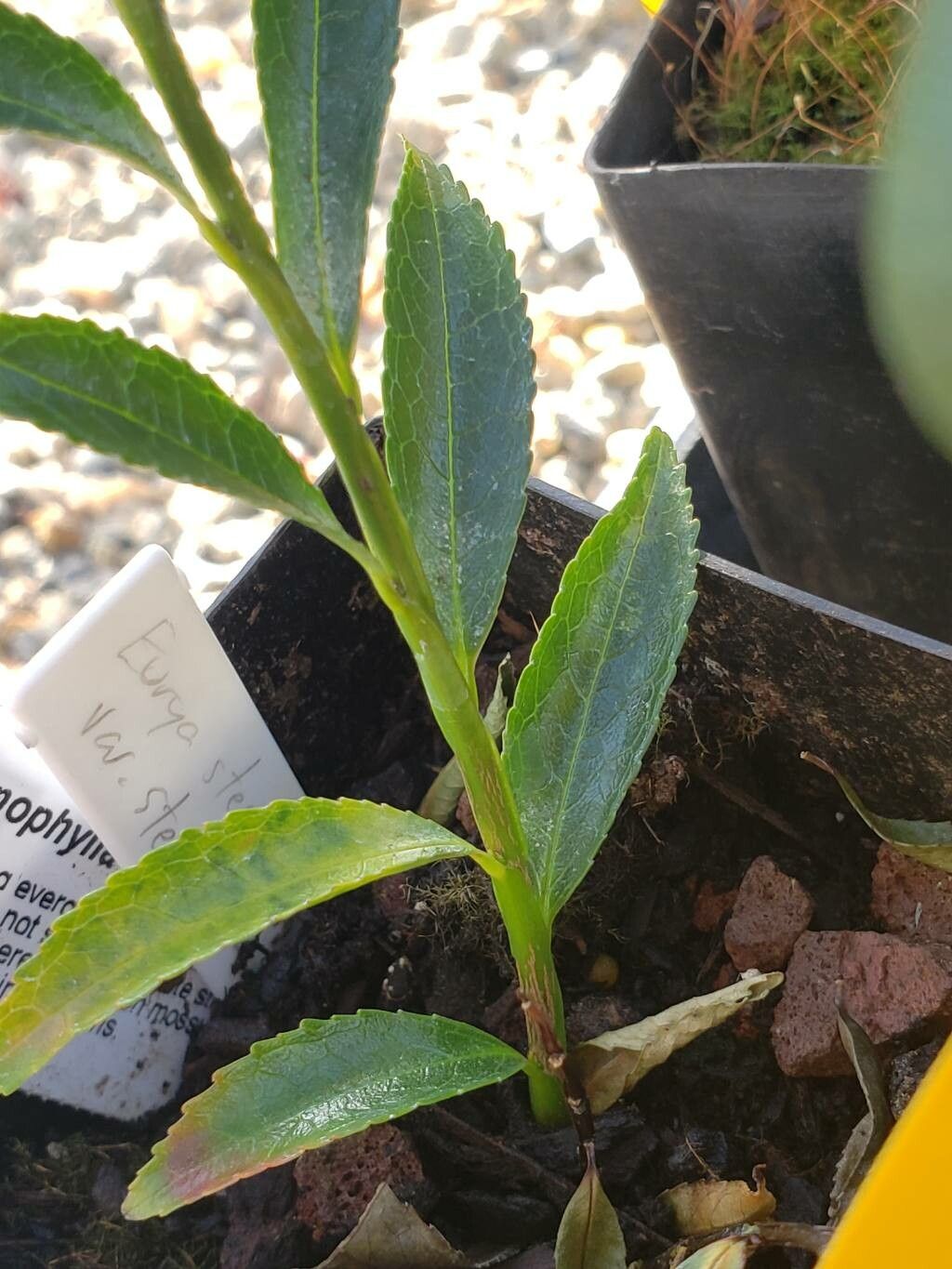
Hello, fellow plant lovers! Today, we’re diving into the wonderful world of propagating Eurya stenophylla. If you’ve ever admired this plant’s glossy, leathery leaves and elegant, almost architectural form, you know how special it is. And the good news? Bringing more of these beauties into your garden or home is totally achievable!
Why Propagate Eurya stenophylla?
There’s something incredibly satisfying about watching a tiny cutting or division transform into a flourishing plant. It’s like a little green magic trick, and it means you can share these beauties with friends or fill every corner of your space with their understated charm. While Eurya stenophylla isn’t the absolute easiest plant to propagate for a complete novice, it’s certainly not an insurmountable challenge. With a little care and attention, you’ll be rewarded with success.
The Best Time to Start
For the highest chance of success, I always recommend taking cuttings in late spring to early summer. This is when the plant is actively growing, and those younger, semi-hardwood stems have a good balance of flexibility and firmness. It’s a sweet spot that encourages rooting.
Supplies You’ll Need
Here’s a handy checklist to get you started:
- Sharp Pruning Shears or a Clean Knife: For making clean cuts.
- Rooting Hormone: This is optional but can really give your cuttings a boost. I prefer powdered forms.
- Well-Draining Potting Mix: A mix of equal parts peat moss or coir and perlite is perfect. You can also find specialized seedling mixes.
- Small Pots or Trays: Clean pots (4-6 inches) or a propagation tray with individual cells work well.
- Plastic Bag or Propagation Dome: To create a humid environment.
- Watering Can with a Fine Rose: To gently water your plantings.
Propagation Methods
Let’s get our hands dirty! For Eurya stenophylla, taking stem cuttings is generally the most reliable method.
Stem Cuttings:
- Select Your Stems: Look for healthy, new growth from the current season. You want stems that are flexible but not too soft and floppy. They should be about 4-6 inches long.
- Make the Cut: Using your clean shears or knife, make a cut just below a leaf node (where a leaf attaches to the stem). This is where roots are most likely to form.
- Prepare the Cutting: Gently remove the lower leaves from the stem, leaving only the top 2-3 leaves. This prevents them from rotting when buried.
- Apply Rooting Hormone (Optional but Recommended): Dip the cut end of the stem into your rooting hormone, tapping off any excess.
- Plant the Cuttings: Fill your pots or tray with your prepared potting mix. Make a small hole with your finger or a pencil and insert the cut end of the stem, firming the soil gently around it.
- Water and Cover: Water thoroughly but gently. Then, cover the pots or tray with a plastic bag or propagation dome. Make sure the leaves aren’t touching the plastic if possible.
The “Secret Sauce” (Pro Tips)
Here are a couple of things I’ve learned over the years that can make a real difference:
- Bottom Heat is Your Friend: If you can, place your pots on a heat mat designed for seedlings. This gentle warmth from below really encourages root development. It’s like giving your cuttings a cozy little incubator.
- Don’t Overdo the Leaves: Remember to remove those lower leaves! And if you have very large leaves on your cutting, I often find it helpful to cut them in half horizontally. This reduces water loss through transpiration while still allowing the plant to photosynthesize.
Aftercare & Troubleshooting
Once your cuttings are planted and covered, place them in a bright spot with indirect light. Avoid harsh, direct sun, which can scorch the delicate cuttings. Keep the soil consistently moist but not waterlogged. You want it to feel like a wrung-out sponge.
You’ll know your cuttings have rooted when you see new growth, or if you gently tug on a cutting and feel resistance. This can take anywhere from 4-8 weeks, or sometimes longer.
Signs of Trouble:
- Rot: If your cuttings turn black and mushy, it’s usually a sign of overwatering or poor air circulation. Make sure the soil can drain well and temporarily remove the plastic cover if you see condensation building up heavily.
- Wilting: Some initial wilting is normal as the cutting adjusts. However, if it doesn’t perk up after a few days, it might not be getting enough light or the soil is too dry.
Once roots have developed, you can gradually acclimate your new plants to normal conditions by opening the plastic cover for longer periods each day. Eventually, you can remove it entirely. When they’re big enough to handle easily, you can transplant them into their own individual pots.
Enjoy the Journey!
Propagating plants is all about patience and observation. Don’t be discouraged if every single cutting doesn’t make it. Nature has its own rhythm. Each attempt is a learning experience, and with a little practice, you’ll soon be a master of multiplying your beloved Eurya stenophylla. Happy gardening!
Resource:
https://identify.plantnet.org/k-world-flora/species/Eurya%20stenophylla%20Merr./data