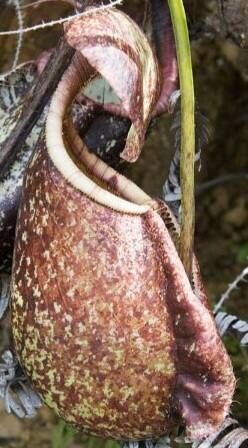
Oh, Nepenthes rafflesiana! If you haven’t fallen in love with this majestic pitcher plant yet, you’re in for a treat. Its giant, often vibrantly colored pitchers are simply captivating, a real conversation starter in any collection. And the best part? Propagating it yourself is incredibly rewarding. While Nepenthes can seem a bit formidable at first glance, propagating N. rafflesiana is surprisingly manageable once you get the hang of it, even for those new to the world of carnivorous plants. Think of it as welcoming a little piece of the jungle into your home, grown by your own hands.
The Best Time to Start
Spring is really where it’s at for propagating Nepenthes rafflesiana. This is when the plant is waking up and has plenty of energy to put into new growth. You’ll want to look for actively growing, healthy stems. Avoid taking cuttings from plants that are stressed or just finishing up a major growth spurt. Healthy, vigorous growth is your best indicator.
Supplies You’ll Need
Before we dive in, let’s get our toolkit ready. You don’t need a whole lot, but having the right gear makes all the difference:
- Sharp Pruning Shears or a Clean Knife: Sterilize them for the cleanest cuts.
- Sphagnum Moss: Long-fibered sphagnum is ideal, but New Zealand or Chilean varieties work wonderfully.
- Perlite or Orchid Bark: For added aeration in your potting mix.
- Carnivorous Plant Potting Mix: A blend of peat moss and perlite (usually 1:1 or 2:1 peat:perlite) is perfect. You can also buy pre-mixed carnivorous plant soil.
- Small Pots or Trays: Whatever you have that can hold your cuttings.
- Optional: Rooting Hormone: While not strictly necessary for N. rafflesiana, it can give cuttings an extra boost.
- Clear Plastic Bags or a Propagation Dome: To maintain high humidity.
- Distilled Water or Rainwater: Always use pure water for your carnivorous plants!
Propagation Methods
We’ll focus on the most straightforward and successful method for Nepenthes rafflesiana: stem cuttings.
- Select Your Cutting: Look for a healthy stem on your mature N. rafflesiana. You’re aiming for a piece that has at least two or three leaves and ideally a small, developing pitcher or a healthy leaf node where roots will emerge. A cutting about 3-6 inches long is generally a good size.
- Make the Cut: Using your sterilized shears or knife, make a clean cut just below a leaf node. This node is where the magic happens – roots will sprout from here. Remove the lower leaves that would otherwise be submerged in your propagation medium, as these are prone to rot.
- Prepare the Cutting: If you’re using rooting hormone, lightly dip the cut end into the powder. Gently tap off any excess.
- Planting the Cutting: Now, for the planting medium. I find that long-fibered sphagnum moss is fantastic for Nepenthes. Lightly moisten the sphagnum until it’s damp but not soaking wet. Gently insert the cut end of your stem into the sphagnum, ensuring the leaf node is covered. You can also use your standard carnivorous plant potting mix blended with some perlite. Just make sure it’s well-draining.
- Create a Humid Environment: This is crucial for success! Place your potted cutting into a clear plastic bag, sealing it loosely, or place it under a propagation dome. You want to create a mini greenhouse effect to keep humidity levels high.
- Placement: Put the covered pot in a bright spot with indirect light. Direct sun will scorch the delicate cuttings. A windowsill that gets bright, filtered light is usually perfect.
The “Secret Sauce” (Pro Tips)
Here are a few things I’ve learned over the years that can really help your cuttings thrive:
- Don’t Let Those Leaves Dip: If you’re using a method where the cutting is partially submerged (like occasionally in water), make absolutely sure that no leaves are touching the water. They will rot instantly and can take the whole cutting down with them. With stem cuttings in sphagnum, this is less of an issue, but always keep an eye on things.
- Bottom Heat is Your Friend: Nepenthes appreciate warmth at their roots. If you have a seedling heat mat, placing your propagation tray or pots on it can significantly speed up root development. Aim for a consistent temperature, around 70-80°F (21-27°C).
- Patience with the Pitcher: Sometimes, a cutting will start forming a small pitcher before it even roots. This is a good sign! However, don’t be discouraged if it doesn’t. The primary goal is root formation. The pitchers will come once the plant is established.
Aftercare & Troubleshooting
Once you see new roots emerging (you might see them peeking out of the bottom of the pot or notice new growth on the stem), it’s time to slowly acclimate your new plant.
- Gradual Acclimation: Over a week or two, gradually open the plastic bag or dome a little more each day. This allows the young plant to get used to lower humidity levels.
- Watering: Continue to water with distilled water or rainwater. Keep the potting medium consistently moist but not waterlogged. You can use the tray method, keeping about an inch of pure water in the tray.
- Light: Once acclimated, you can slowly introduce it to brighter, indirect light.
- Signs of Trouble: The most common issue is rot. If you see mushy, black stems or leaves, it’s usually a sign of too much moisture and not enough air circulation. If you catch it early, you might be able to salvage a healthy part of the cutting. Another sign of stress is wilting, which can indicate dryness or insufficient humidity. If the cutting shrivels up completely, don’t give up hope too quickly; sometimes they can bounce back from the very base.
A Encouraging Closing
Propagating Nepenthes rafflesiana is a wonderfully satisfying journey. Each successful cutting is a testament to your growing skills and a beautiful reward for your patience and care. Don’t be afraid to experiment, and remember that even experienced gardeners have their failures. Enjoy the process of nurturing these unique plants, and soon you’ll have a whole new generation of Nepenthes to admire! Happy growing!
Resource:
https://identify.plantnet.org/k-world-flora/species/Nepenthes%20rafflesiana%20Jack/data